

The Forum for Democratic Change (FDC) party has expressed concern over continued Ebola-related travel restrictions imposed on Ugandan nationals by some countries, even after the World Health Organization (WHO) declared Uganda’s Ebola outbreak over.
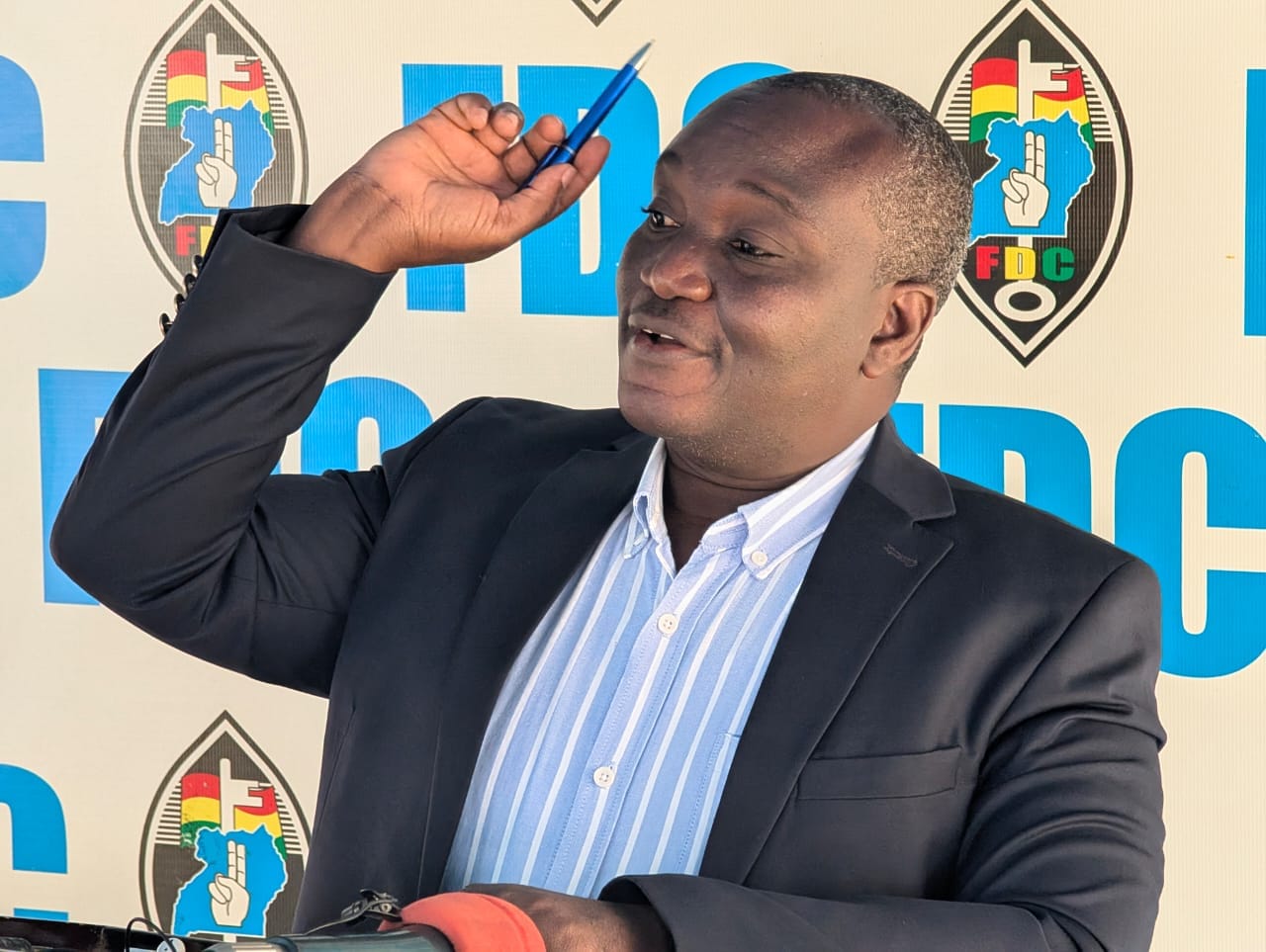
According to Robert Centenary, the FDC Party Vice Chairperson in charge of Western Uganda, Ugandan travellers continue to face uncertainty and possible discrimination two and a half months after the outbreak officially ended.
While addressing the media on Monday, November 9th, 2026, at the party headquarters in Najjanankumbi, Centenary revealed that on November 27th, 2026, the World Health Organization (WHO) and the Africa Centres for Disease Control and Prevention officially welcomed the end of Uganda’s Ebola outbreak following the completion of the internationally established 42-day monitoring period without a new confirmed case.
“We are therefore wondering that even up to now, Ugandan travellers, business people and other citizens continue to face uncertainty and possible discrimination on account of an outbreak that has officially been declared over,” Centenary said.
He said Uganda is an internationally connected economy whose business community depends on international travel to access markets, noting that the United Arab Emirates, particularly Dubai, is an important international commercial and trading hub for Ugandan business people.
Centenary also warned that any other countries still maintaining restrictions are unnecessarily disadvantaging the business community and affecting Uganda’s economic interests, adding that the leisure and hospitality industry has been grossly affected, including tourism and conferences, while countries like Canada and the USA still cannot issue visas to Ugandan passport holders.
“A serious and responsive government should not sit back and watch its citizens face international travel restrictions without taking decisive diplomatic action,” he said.
He said the Ministry of Foreign Affairs has a responsibility to engage governments that have imposed such restrictions, demand clear explanations and pursue their removal where there is no legitimate public-health justification.
Centenary suggested the continued restrictions could be a result of outdated public-health advisories, administrative failures, or unresolved diplomatic engagements.
He demanded that the Ministry of Foreign Affairs immediately publish a verified list of countries that still maintain restrictions, and urgently engage respective governments through embassies to secure lifting of unjustified restrictions.
However, the Ministry of Foreign Affairs will soon organize a response indicating the different engagements its officials are making to ensure that such restrictions are lifted in the shortest time possible.