

If you run a business in Uganda, from a retail shop, wholesale shop in downtown Kampala to a small factory or farm upcountry, keeping your business running just got a lot harder and more expensive.
The Bank of Uganda (BoU) recently made a big change to control rising prices across the country. The BoU increased the Central Bank Rate (CBR) by 225 basis points.
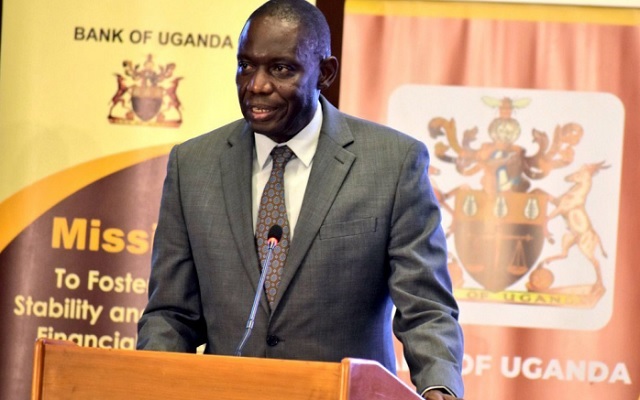
The decision was made during a special, emergency meeting of the Monetary Policy Committee (MPC) and officially announced by Governor Dr. Michael Atingi-Ego.
According to Dr. Atingi-Ego, the central bank was forced to raise the main national interest rate (called the Central Bank Rate) from 9.75% to 12.0% to protect the economy.
Dr. Atingi-Ego explained that this drastic step was necessary to stop a weakening Ugandan Shilling and to shield the country from high global fuel costs caused by international tensions.
However, while this sounds like technical paperwork, it has a direct, painful impact on the money in your pocket.
What Does This Mean for Your Business?
When the central bank raises its rate, it creates a chain reaction that hits every ordinary business person in three major ways.
Loans keep getting More Expensive, as Commercial banks quickly raise their own interest rates. For example, if you need a loan to buy new stock, pay rent, or expand your shop, you will pay much more interest back to the bank than before, and yet business is slow.
It has become harder to get cash, because banks are holding onto more cash inside their vaults. This means they have less money available to lend out, making it much harder for you to get approved for a business loan.
Then imported goods are costing more, as the Ugandan Shilling is weakening and already at UGX 4,000 for just 1 US Dollar. If you buy goods, spare parts, or materials from abroad, you now need a lot more Shillings to buy the same amount of stock compared to before.
Businesses are experiencing higher costs,and Less Spending
This change comes at a time when fuel prices and transport costs are already high. Business owners are now caught in a double trap. It costs more money to transport goods, and it costs more money to borrow capital.
Because everything is more expensive, ordinary customers also have less money left over to spend or save.
Big financial organizations like the World Bank have already lowered their expectations for Uganda’s economic growth.
The World Bank recently cut its growth forecast for Uganda down to a range of 6.0% to 7.4% for the current financial year. This is a big drop from the Ugandan government’s original, optimistic goal of 10.2% growth.
This drop proves that our local shops and markets are slowing down just to survive. And for the common business person, the message is clear, be very careful with debt right now, cut unnecessary costs, and budget tightly until these high interest rates begin to come back down.