

The morning after King (Omukama) Rukirabasaija Oyo Nyimba Kabamba Iguru Rukidi IV died, the mourning around Tooro was no longer confined to the hills and streets of Fort Portal.
Messages began arriving from across Uganda, including from other royal houses, churches, Parliament and people whose lives had intersected with a monarch they had watched grow from a three-year-old king into a young cultural leader.


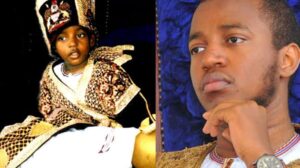
For many Ugandans, King Oyo was almost impossible to separate from the modern story of Tooro itself.
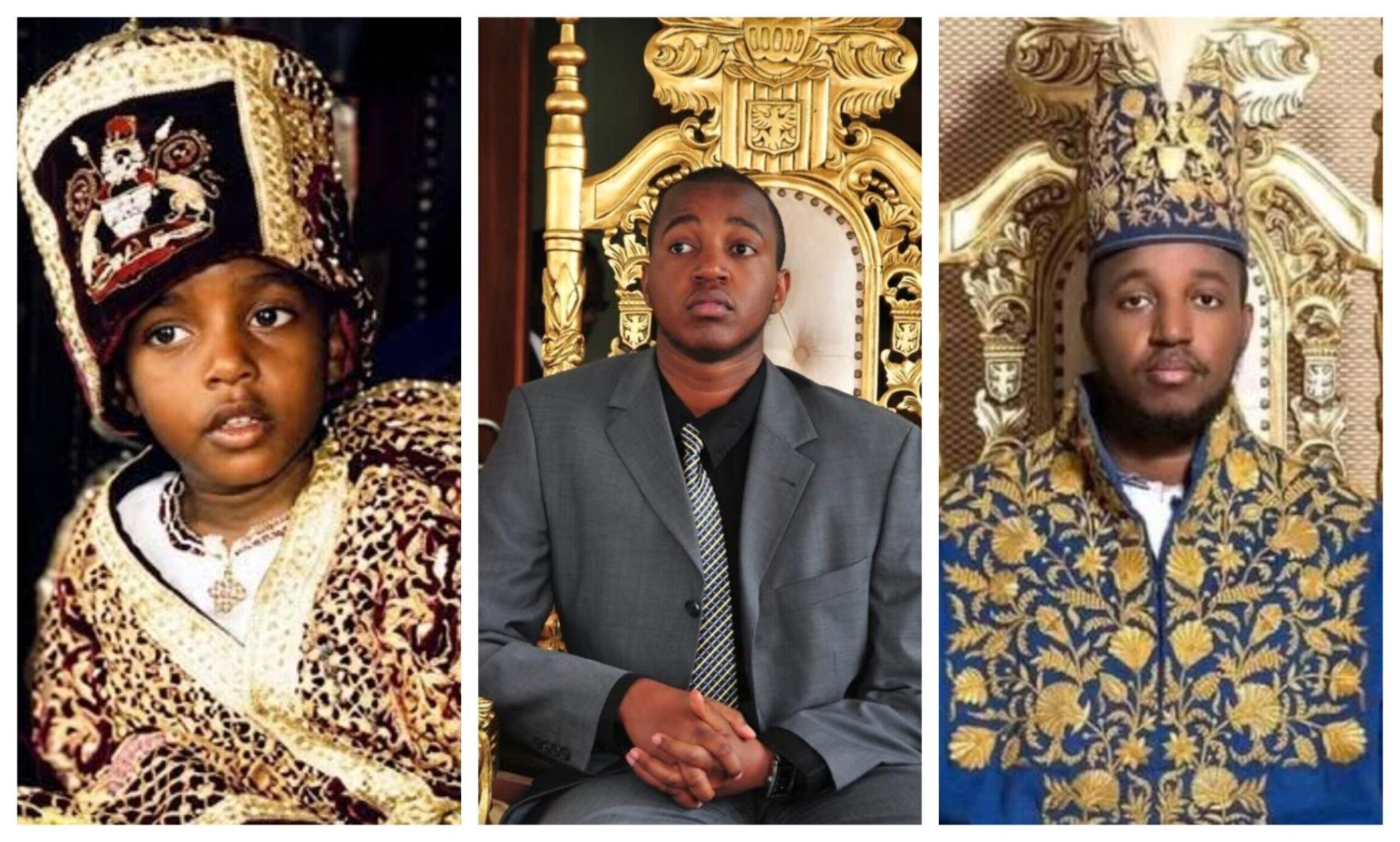
He was three when he inherited the throne in 1995, following the death of his father, Omukama Patrick David Matthew Kaboyo (Rwamuhokya) Olimi III. By the time His Royal Majesty King Oyo reached adulthood, he had spent almost his entire life carrying the title of Omukama.
He died on August 27th, 2026, aged 34. But his death carried a striking echo from the past. His father, Omukama Patrick David Matthew Kaboyo (Rwamuhokya) Olimi III, had died in the same month, 31 years earlier. Rukirabasaija Kaboyo passed away on August 26, 1995. His son, Rukirabasaija Omukama Oyo Nyimba Kabamba Iguru Rukidi IV, followed him on August 27th, 2026.

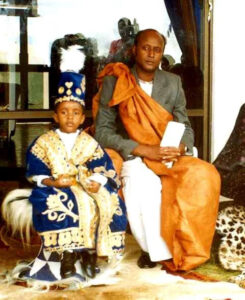
Even their royal milestones seem to echo across the years. Omukama Kaboyo was born on September 9th, 1945, while his son was crowned King on September 12th, 1995, only weeks after his father’s death.
There are moments when history appears to fold in on itself, dates, lives and generations unexpectedly touching. Some moments leave history silent.
A Loss Felt Beyond Tooro
The Kingdom of Buganda was among the cultural institutions to mourn the late monarch, describing his death as a loss shared with the people of Tooro.
The message from Buganda also placed Omukama Oyo’s life within the longer relationship between Uganda’s traditional institutions, a reminder that the country’s kingdoms, although cultural rather than political institutions today, remain connected by history, family and ceremony.
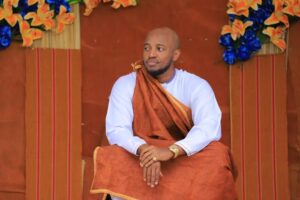


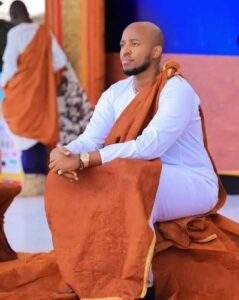
From Busoga came another royal tribute. Kyabazinga William Wilberforce Gabula Nadiope IV joined the people of Busoga in mourning the Tooro royal family. He remembered Omukama Oyo as a traditional leader whose humility and commitment to preserving culture had made an impression beyond his own kingdom.
The Church Remembers a Christian King
The tributes have also crossed into Uganda’s religious community. Church of Uganda Archbishop Stephen Samuel Kaziimba Mugalu said he had contacted Rwenzori Diocese Bishop Reuben Kisembo to convey condolences to the diocese, the Royal Family and the people of Tooro.
Bishop Kisembo, according to reports, described Omukama Oyo as a Christian king and urged the people of Tooro to put aside differences and unite as they prepare to give him a dignified farewell.
Parliament Joins the Mourning
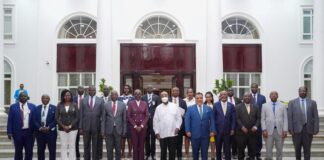
The Deputy Speaker of Parliament, Thomas Tayebwa was among the political leaders to publicly express shock.
Tayebwa offered condolences to the Queen Mother, the Royal Family, the Tooro Kingdom leadership and the people of Uganda, while also recognising President Yoweri Museveni’s long relationship with the young monarch.

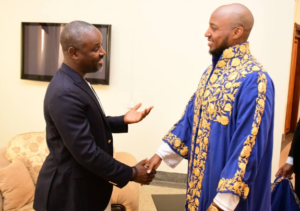
Museveni’s government was in office when King Oyo inherited the throne and remained part of the political environment in which the young king grew into his role. In more recent years, King Oyo worked with the central government around development initiatives, including agriculture and youth empowerment in Tooro.
A King an Entire Generation Watched Grow Up
Perhaps the most striking part of Omukama Oyo’s story is that millions of Ugandans grew up knowing only one king of Tooro.
For an older generation, he was the little boy who suddenly appeared on the throne after his father’s death. For younger Ugandans, he was simply King Oyo.
Omukama Oyo was not a monarch who arrived fully formed in adulthood. His public life unfolded in front of the country.
He grew from a child surrounded by regents and royal rituals into a young man who eventually assumed full operational responsibility for the kingdom at 18.

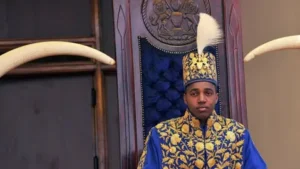
His coronation in 1995 attracted international attention precisely because of his age. He became one of the world’s best-known boy monarchs, a distinction that followed him long after childhood. But age eventually stopped being the story. The man became more important than the boy king.
More Than a Royal Title
In later years, Omukama Oyo increasingly represented Tooro at public functions, cultural ceremonies and development initiatives.
The kingdom has sought to use its cultural platform to promote causes affecting its people, including agriculture and youth empowerment. President Museveni publicly backed some of those initiatives after meeting the Omukama and Tooro Kingdom officials in 2025.

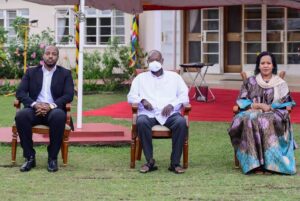
That public role helped shift the image of Omukama Oyo from a childhood curiosity into something more enduring: a recognisable cultural figure whose identity was closely tied to the people he represented.
Now the Mourning Turns to Tradition
While the tributes continue, Tooro has already entered a traditional mourning period. The kingdom has announced nine days of mourning, with subjects gathering at the Muchwa Kingdom complex in Fort Portal as officials prepare for the next stages. The Royal Family is also beginning the delicate work of succession.

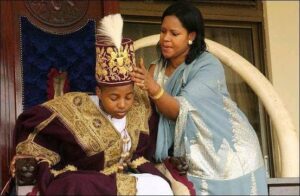
The Tooro Prime Minister, Calvin Armstrong Rwomiire Akiiki has said that the Crown’s continuity is assured and that Omukama Oyo left behind a Prince who is expected to inherit the throne. The identity of the heir is to be formally revealed at the appropriate time, in accordance with Tooro customs. That process will unfold alongside the funeral.
The death of a Tooro king traditionally triggers a series of cultural actions that mark the end of one reign and prepare the kingdom for another. Among the symbols associated with the transition is the royal drum, which is traditionally turned upside down after the death of a monarch and remains so until a new king is installed.
The Royal Family has also begun consultations, with Chief Prince Charles Kamurasi summoning members of the royal family for an emergency meeting at Karuziika Palace.
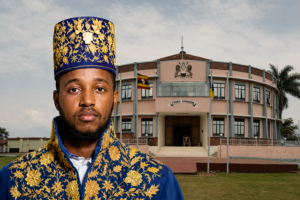

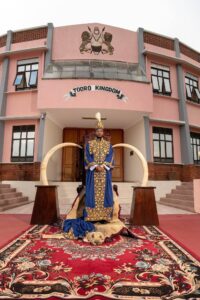
A Generation Says Goodbye
There is an almost unusual intimacy to the grief surrounding Omukama Oyo. Ugandans did not merely hear about his reign. They watched it. They watched the three-year-old become a teenager, the teenager become an adult and the boy king become the face of one of Uganda’s most prominent cultural institutions.
His death at 34 therefore feels, to many, less like the passing of a distant royal figure and more like the closing of a chapter they had personally witnessed. The tributes coming from Buganda, Busoga, the Church, Parliament and across the country reflect that sense of shared loss.
So, as Tooro prepares the rituals that will eventually lay its king to rest, the most enduring tribute may not be found in any single condolence message. It may be in the fact that an entire generation knew his name. For nearly 31 years, King Oyo was the face of Tooro.
Now, as the royal drums fall silent, Uganda waits to see how the kingdom will honour the Omukama and begin the next chapter of its history.