
The Ministry of Health has intensified its fight against malaria by continuing Indoor Residual Spraying (IRS) in 13 districts across the West Nile and Lango sub-regions.
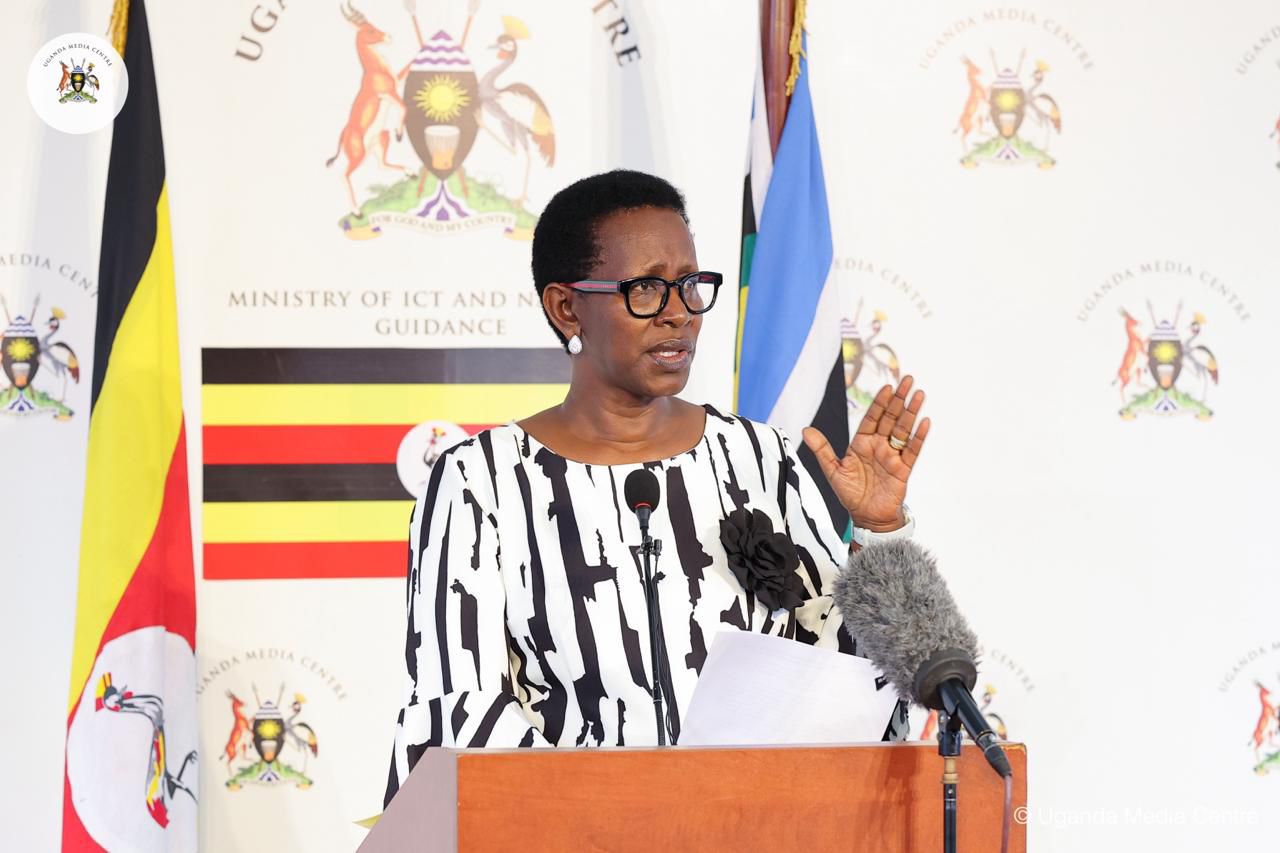
According to Dr. Diana Atwine, the Permanent Secretary for Ministry of Health, the IRS exercise is a critical intervention to reduce malaria transmission and protect households in high-burden areas.
“Our teams are out in the field conducting ongoing Indoor Residual Spraying (IRS) in 13 districts across West Nile and Lango to reduce malaria transmission and protect households,” Dr. Atwine said.
In her communication on her official X handle on Tuesday, November 3rd, 2026, Atwine revealed that IRS involves the application of long-lasting insecticides on the interior walls of houses, where mosquitoes rest after feeding, thereby killing them and interrupting transmission.
According to the ministry, the intervention is particularly effective in areas with high and perennial malaria transmission like West Nile and Lango.
Dr. Atwine added that IRS is not a standalone measure but a key malaria prevention intervention that complements the distribution and use of insecticide-treated mosquito nets, among others.
“IRS is a key malaria prevention intervention that complements the distribution and use of insecticide-treated mosquito nets. When used together, these interventions provide maximum protection for families,” she noted.
She called upon communities in the targeted districts to cooperate fully with the spraying teams to ensure the success of the exercise.
“We encourage communities to welcome and support our teams. Allow them access to your homes, remove food items, and follow their guidance before and after spraying. Their work is for your protection,” Dr. Atwine urged.
Beyond the IRS campaign, Dr. Atwine reminded Ugandans that malaria prevention requires personal and community responsibility.
“Most importantly, we urge everyone to practise self-care measures such as sleeping under treated mosquito nets every night, clearing stagnant water, eliminating mosquito breeding sites and keeping our surroundings clean. The fight against malaria starts with all of us,” she said.
Malaria remains one of the leading causes of illness and death in Uganda, accounting for a significant percentage of outpatient visits and hospital admissions.
The Ministry of Health says sustained interventions like IRS, mass net distribution, and community sensitisation are key to achieving its target of reducing malaria morbidity and mortality.