

President Yoweri Kaguta Museveni has called on traditional and cultural leaders to preserve positive cultural practices, strengthen existing government research institutions and champion East African integration to accelerate wealth creation and socio-economic transformation.
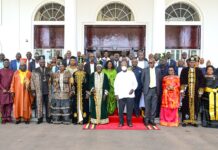
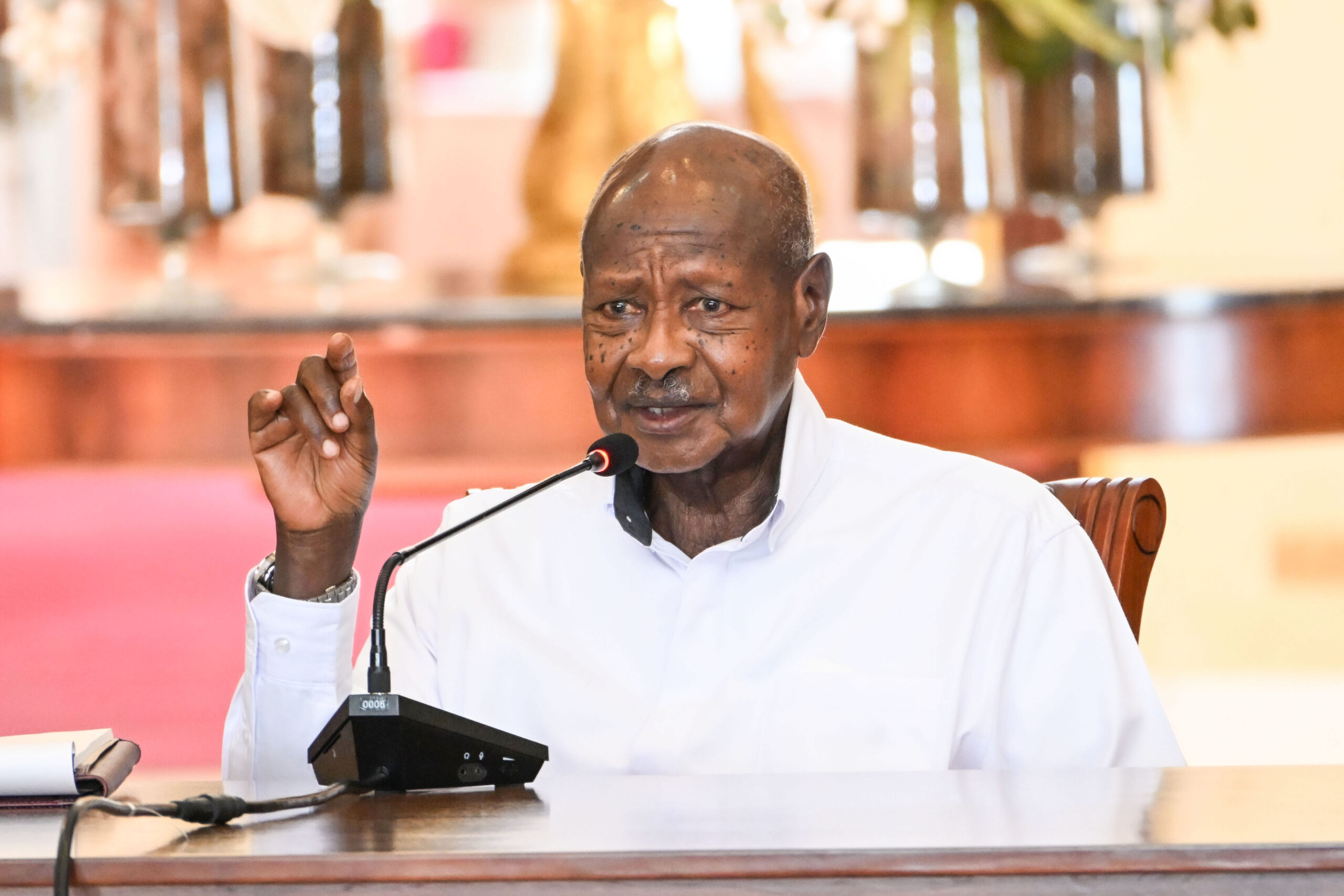
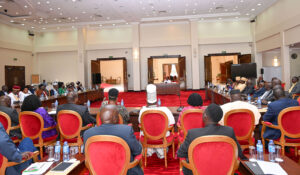
The President made the call on November 5th, 2026, while closing a two-day conference for traditional and cultural leaders from across the country at State House, Entebbe.

President Museveni reaffirmed his support for traditional institutions, describing the abolition of kingdoms as a historical mistake.
“To destroy these kingdoms is a mistake,” he said.
On research and innovation, the President urged cultural leaders to work with existing government research institutions, including Kawanda, Namulonge, Serere, Nabuin and Kituza, rather than establish separate facilities that duplicate their work.
He said the institutions could provide scientific research and technical expertise to support indigenous agriculture, livestock improvement and the preservation of traditional knowledge.
“The Government will support your proposals. For example, in line with your commitment to strengthen research, Government research institutions, such as Kawanda, Namulonge and Serere, can support the work of cultural institutions and reduce unnecessary duplication through the establishment of separate research centres,” President Museveni noted.
Museveni also urged cultural leaders to preserve beneficial cultural practices while rejecting those that violate human dignity and individual rights, citing forced wife inheritance and female circumcision as practices that should not be promoted.
“For instance, wife inheritance should never be forced on a widow. Such decisions must be based on her free consent. Culture must uphold human dignity,” he said.
On regional integration, President Museveni emphasised the importance of expanding markets to boost production, trade and household incomes.
“I have always supported East African integration because our people need bigger markets. A Ugandan farmer should be able to produce milk and sell it in Kenya without unnecessary barriers. That is the practical value of integration, expanding markets, production and prosperity,” he said.
The President welcomed resolutions presented by the cultural leaders and pledged government support for their implementation. He proposed that they sign a consensus document, which he would present to Cabinet for consideration, and promised to engage Cabinet and Parliament on proposals to strengthen traditional institutions.

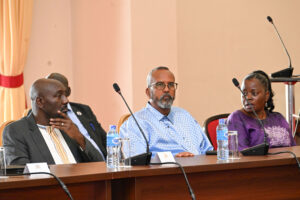
The cultural leaders, in their resolutions, committed to documenting indigenous occupational skills under Emyooga, promoting indigenous crop varieties and protecting livestock genetic resources, including Ankole long-horned cattle and Zebu.
They also pledged to preserve indigenous knowledge, traditional food systems and sustainable agricultural practices, while repositioning cultural institutions as active partners in community empowerment, employment creation and economic transformation.
The leaders proposed that the ministry responsible for culture coordinate the implementation of their commitments through practical government programmes.