

The Uganda People’s Congress (UPC) party has welcomed in part the government’s new operation to remove vehicles in dangerous mechanical condition from the roads but warned that the exercise lacks a fallback plan and could strand commuters unless accompanied by a comprehensive national transport policy.
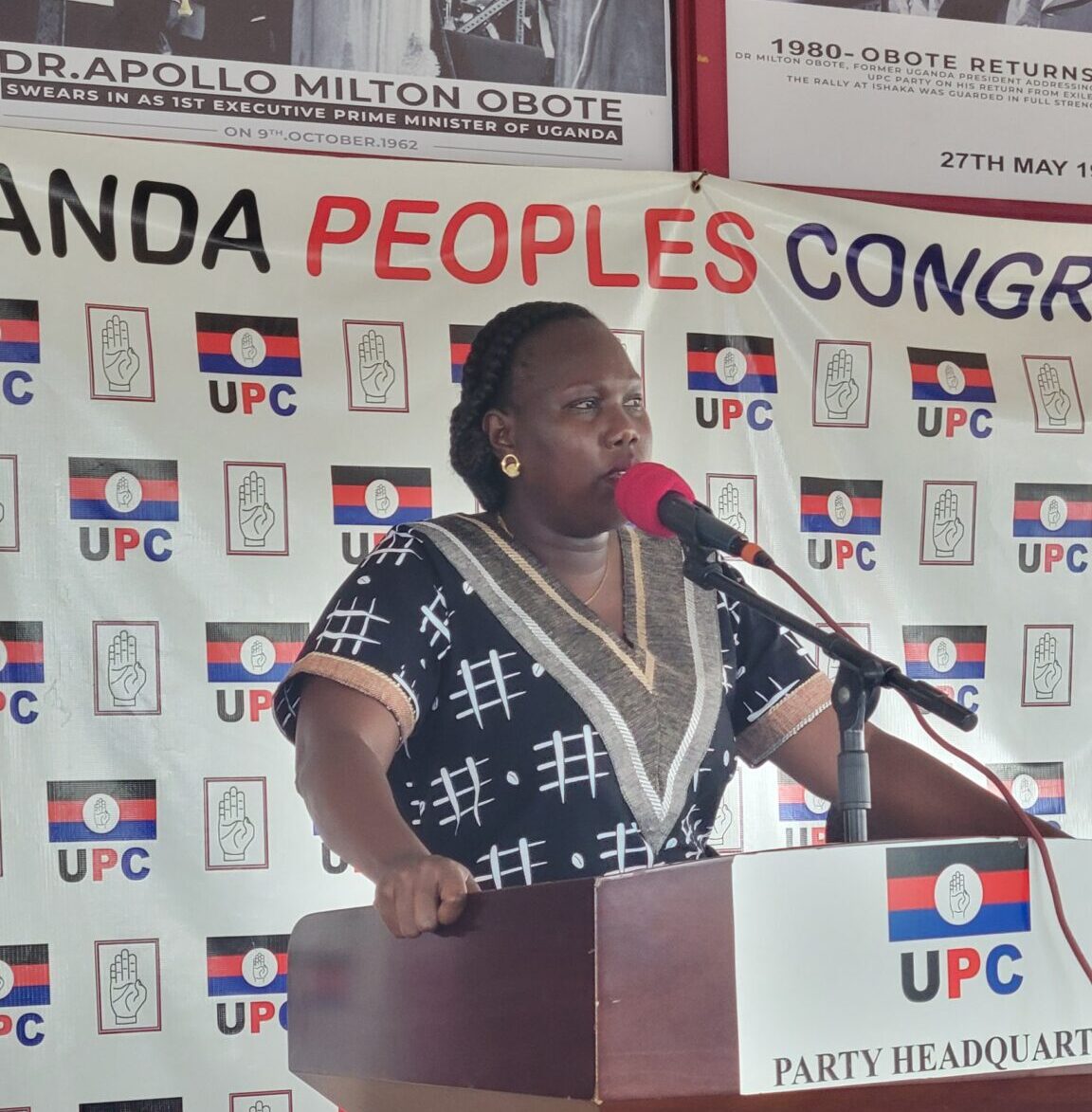
Addressing journalists at a press conference on Wednesday, August 26th, 2026, at Uganda House, the Party Spokesperson Sharon Arach Oyat said “Operation Ganyegenya”, launched on August 24th, 2026, by the Ministry of Works and Transport and Traffic Police, had already impounded more than 178 public service vehicles on its first day.
While UPC supports taking non-roadworthy taxis off Greater Kampala roads, Oyat demanded that the 100-day operation be extended to all categories of vehicles nationwide, including motorcycles, tuk-tuks, trucks, buses, government and private cars.
She cited the Police Annual Crime Report 2025, which recorded 26,444 road crashes and a continued rise in fatalities compared with previous years. Dangerous mechanical condition vehicles, she said, contribute significantly to the loss of lives, injuries and pressure on the health system.
Oyat warned that commuters are already stranded and fares are rising because no immediate alternatives have been provided. She urged the government to temporarily deploy institutional buses to ease the shortage, especially ahead of schools reopening.
“This act can be equated to firefighting,” she stated, calling instead for a long-term policy that integrates road, rail, water and air transport and explores electric trains powered by Uganda’s hydroelectric potential.
The spokesperson also raised concern over the livelihoods of taxi drivers, conductors and their families, noting that many Ugandans depend on the sector for income. She criticized the absence of job-creation measures or transitional arrangements similar to those missing after earlier policies such as the trade order.
UPC maintained that transport is the lifeline of the economy and that piecemeal actions without proper planning ultimately increase hardship and unemployment for ordinary Ugandans.