
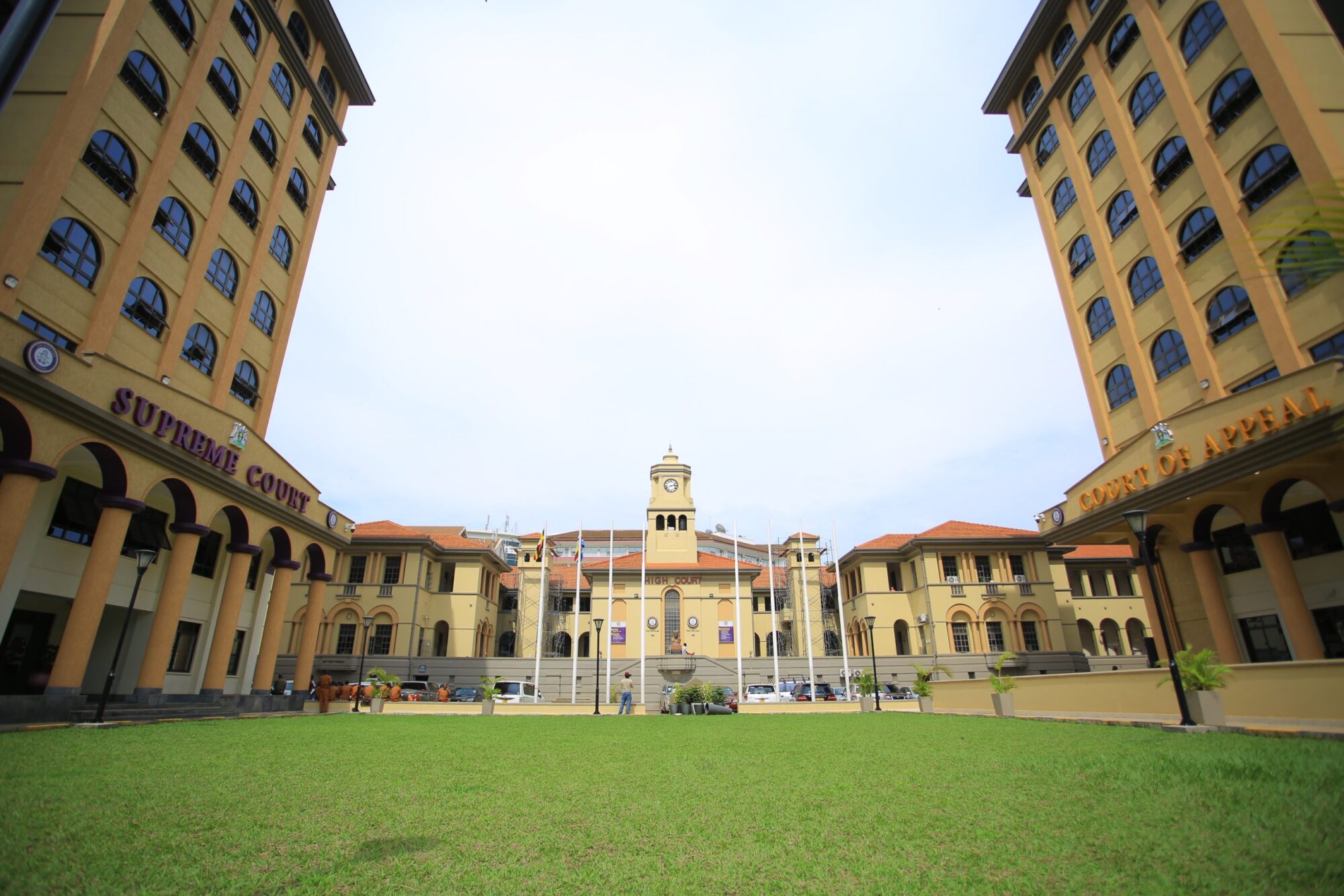
Uganda’s Judiciary has begun hearings on 346 election petitions arising from the 2026 Parliamentary and Local Council elections, starting a two-month process expected to run until November 13th, 2026.
The petitions have been distributed across the Judiciary, with 157 cases before the High Court and 189 before Chief Magistrates’ Courts. About 100 judicial officers, including 48 High Court judges and 52 Chief Magistrates, have been assigned to handle the disputes.
The High Court is handling 118 parliamentary election petitions across the country, involving several high-profile contests starting Monday, September 14th, 2026.
In Rukungiri Municipality, Ingrid Turinawe is challenging the election of Lt Gen Henry Tumukunde, while in Kinkizi East, Sam Arinaitwe Kajojo has petitioned against Health Minister Dr. Chris Baryomunsi. Both cases also name the Electoral Commission as a respondent.
Other prominent cases include Mwesigwa Robert Rukaari v Christopher Bakashaba and the Electoral Commission in Mbarara City North, and Margaret Ayebare Rwebyambu v Loydah Twinomujuni Muhimbura for the Mbarara District Woman MP seat.
In Kampala Central, David Lewis Rubongoya is challenging the election of Minsa Kabanda, while former minister Vincent Ssempijja is challenging Yusuf Kiruluuta Nkeretanyi’s election in Kalungu East.
The petitions are expected to address allegations arising from electoral irregularities, vote counting, tallying, and the conduct of election officials and other alleged breaches of electoral law. Petitioners may seek to have results nullified, fresh elections ordered or, where legally permissible, be declared the duly elected candidates.
The 189 cases before Chief Magistrates’ Courts are scheduled to begin on September 21, with the Judiciary aiming to conclude them by October 30.
The Judiciary has prioritised the election cases because of the strict legal timelines governing electoral disputes.
The large caseload makes the 2026 election-petition exercise one of the most significant post-election judicial undertakings in Uganda, with decisions potentially affecting numerous parliamentary and local government seats.