
Uganda Plans Monthly Cash Boost and Specialized Care for Growing Elderly Population
The Ugandan government is moving to upgrade its support systems for the elderly by introducing specialized healthcare and expanding financial safety nets.
The revelation was made ahead of the International Day of Older Persons on October 1st, 2026.
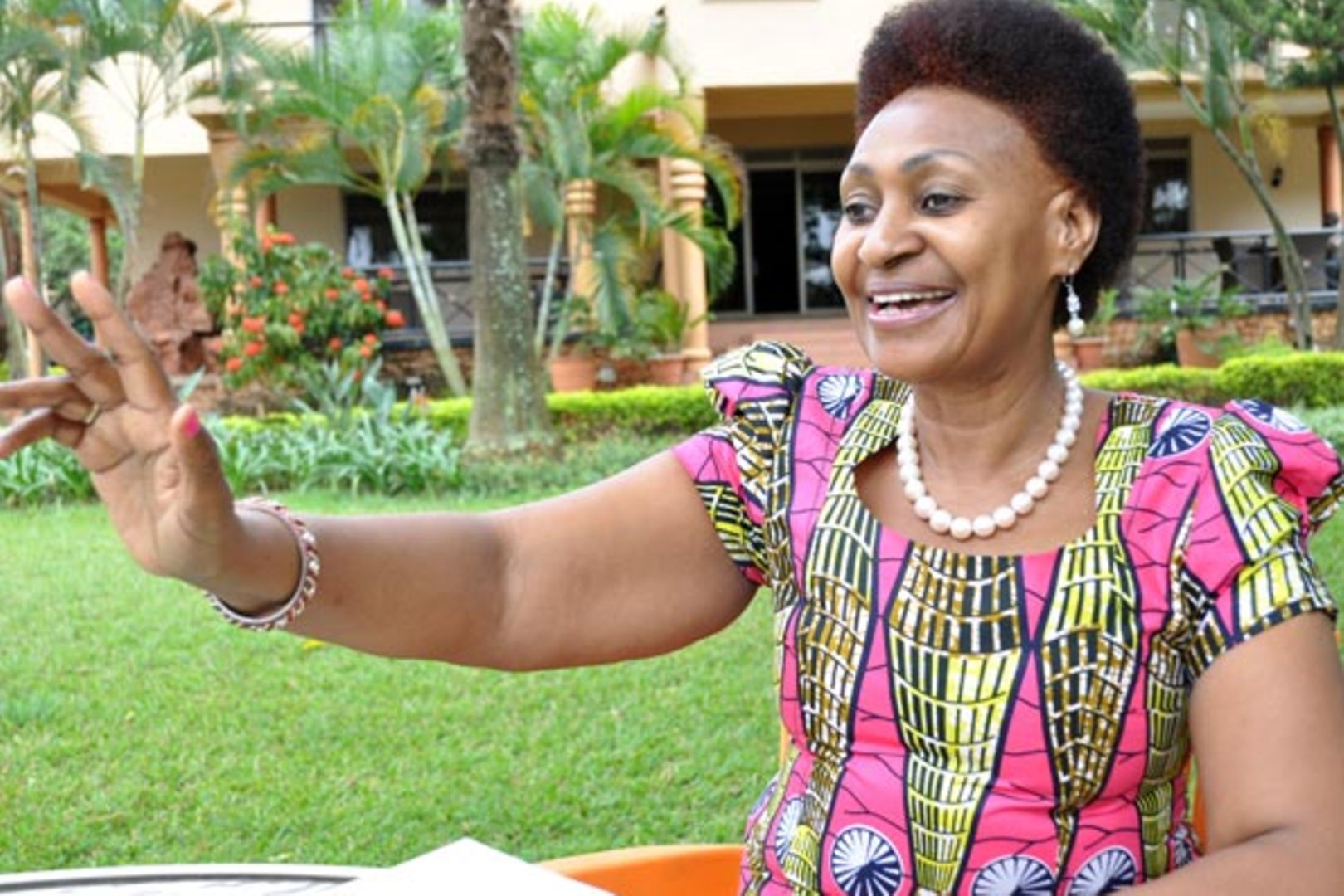
The State Minister for Elderly Affairs, Jacqueline Mbabazi announced plans to address the needs of the country’s rapidly growing senior population at the Uganda Media centre on September 30th, 2026.
“The major plan among the government’s new priorities is the introduction of physiotherapy and occupational therapy tailored specifically for older persons,” Mbabazi noted.
She added that the Ministry of Gender is actively partnering with the Ministry of Health to embed these rehabilitative services into local infrastructure.
“The strategy leverages the ongoing refurbishment of Health Centre IIIs, aiming to station specialized professionals at the district level who will rotate through sub-counties and parishes to bring care directly to rural communities,” the minister added.
Currently, the government is tackling the severe financial strain faced by senior citizens through a proposed expansion of the Social Grant for Older Persons.
The Cabinet is also reviewing a proposal to lower the eligibility age from 80 to 65 years. The initiative further plans to raise the monthly stipend from UGX 25,000 to UGX 35,000.
The minister revealed that executing these demographic expansions requires an estimated UGX 252 billion. To manage the fiscal impact, the government is considering a phased rollout, potentially lowering the threshold to 70 years first before reaching the 65-year target.
“A dedicated Cabinet subcommittee is currently mapping out the resource mobilization strategy,” she noted.
The urgency for financial reform is heavily tied to healthcare costs as data shows that elderly beneficiaries currently spend at least 30 percent of their UGX 25,000 grant purely on medical bills.
To resolve this, the ministry is designing a dedicated national health insurance scheme for seniors. Under the proposed framework, UGX 5,000 from the enhanced UGX 35,000 monthly stipend could be automatically funneled into an insurance pool, bypassing the age limitations traditional private insurers impose on individuals over 75.
This structural push comes as Uganda experiences a dramatic demographic shift.
According to the recent Uganda Bureau of Statistics (UBOS) census, the population of Ugandans aged 60 and above has reached approximately 2.6 million, accounting for roughly five percent of the nation.
While the state commits to improving coordination, professional medical placement, and funding, Mbabazi emphasized that institutional aid must complement traditional structures.
She stressed that families and local communities remain the crucial first line of defense in ensuring Uganda’s elders live with tangible dignity.