

In a circulating statement by the Uganda Journalists Association (UJA), the nation was treated to a theatrical outburst over the supposed “attack” on one of their members, journalist David Mwesigwa.
According to their script, the Prime Minister Rt. Hon. Robinah Nabbanja and Ministry of Health PS Dr. Diana Atwine committed the unpardonable sin of asking that allegations about health facilities be backed with something as radical as facts.
In UJA’s telling, Mwesigwa is a noble martyr, silenced by the state for blowing the whistle. But let us remember what the Constitution actually says. Freedom of expression is guaranteed, yes, but Article 43 makes it clear: no right is absolute when it undermines public order, health, or the rights of others.
Watchdogs must bark at thieves, not at their own shadows.
The Press and Journalist Act is even clearer: journalism is a profession governed by ethics, discipline, and accuracy.
Falsehoods are not acts of bravery; they are professional misconduct. Yet UJA now wants us to believe that demanding accuracy equals intimidation, and that accountability is harassment. If fact-checking is persecution, then every editor in Uganda should prepare for prison.
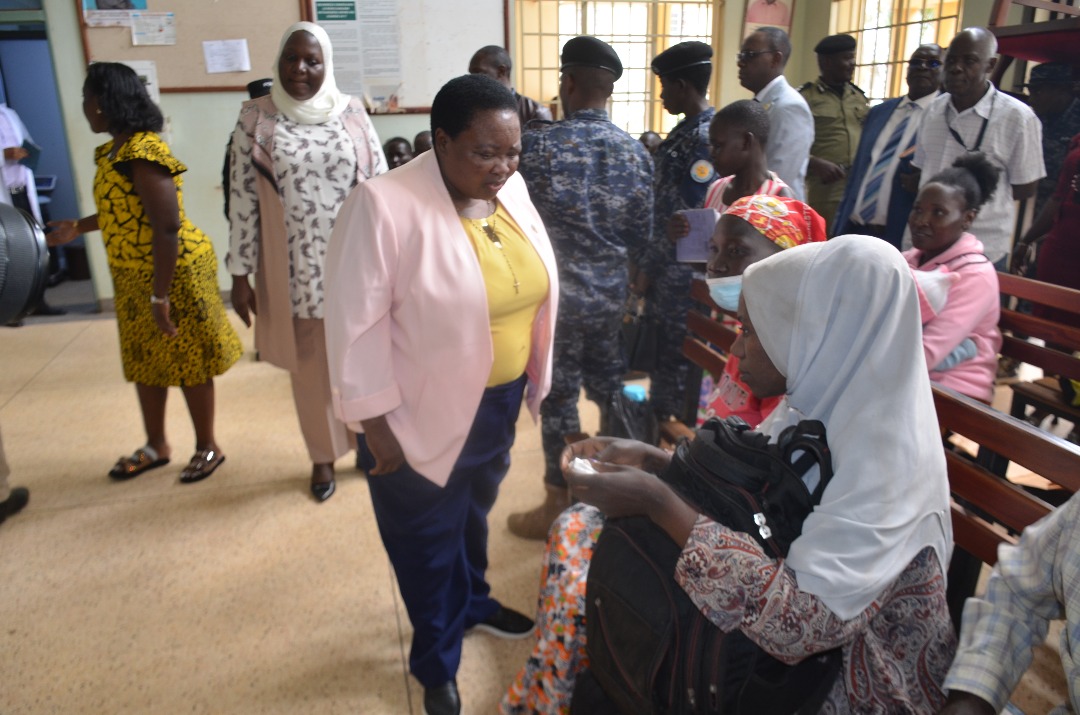
The truth is simple. The Prime Minister’s inspection visits to Mukono and Kayunga revealed both challenges and progress. Oxygen plants are being installed, staff performance is being reviewed, and gaps are being addressed. These are not cover-ups; they are solutions.
Government rejects the habit of turning every logistical hiccup into a national crisis and every corrective action into a conspiracy.
Mobilising district officials and community leaders during visits is called accountability. UJA prefers to call it “sanitisation.” Perhaps they would rather leaders arrive unannounced with TV cameras to catch chaos, because it makes for juicier headlines. But governance is about fixing problems, not staging them for evening news drama.
Let it be clear: no journalist has been attacked. What has been attacked and rightly so is reckless reporting dressed up as patriotism. Government respects the media’s watchdog role, but watchdogs that bark at ghosts do nothing for national progress.
If UJA wishes to parade its members in a march of self-pity, that is their right. But Ugandans deserve better. Government will continue marching in a different direction: toward improved service delivery, grounded in facts, not fiction. Because journalism may be free, but facts remain stubborn.