
The National Building Review Board (NBRB) has unveiled sweeping reforms under the newly operational Building Control (Amendment) Act, 2026, introducing tougher penalties, faster approval processes, and stricter enforcement measures aimed at curbing illegal and unsafe construction across Uganda.
The amendment originating from the 2025 Bill seeks to address persistent challenges in Uganda’s rapidly growing construction sector, including building collapses, unregulated developments, and weak enforcement of standards.
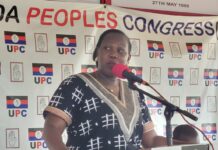
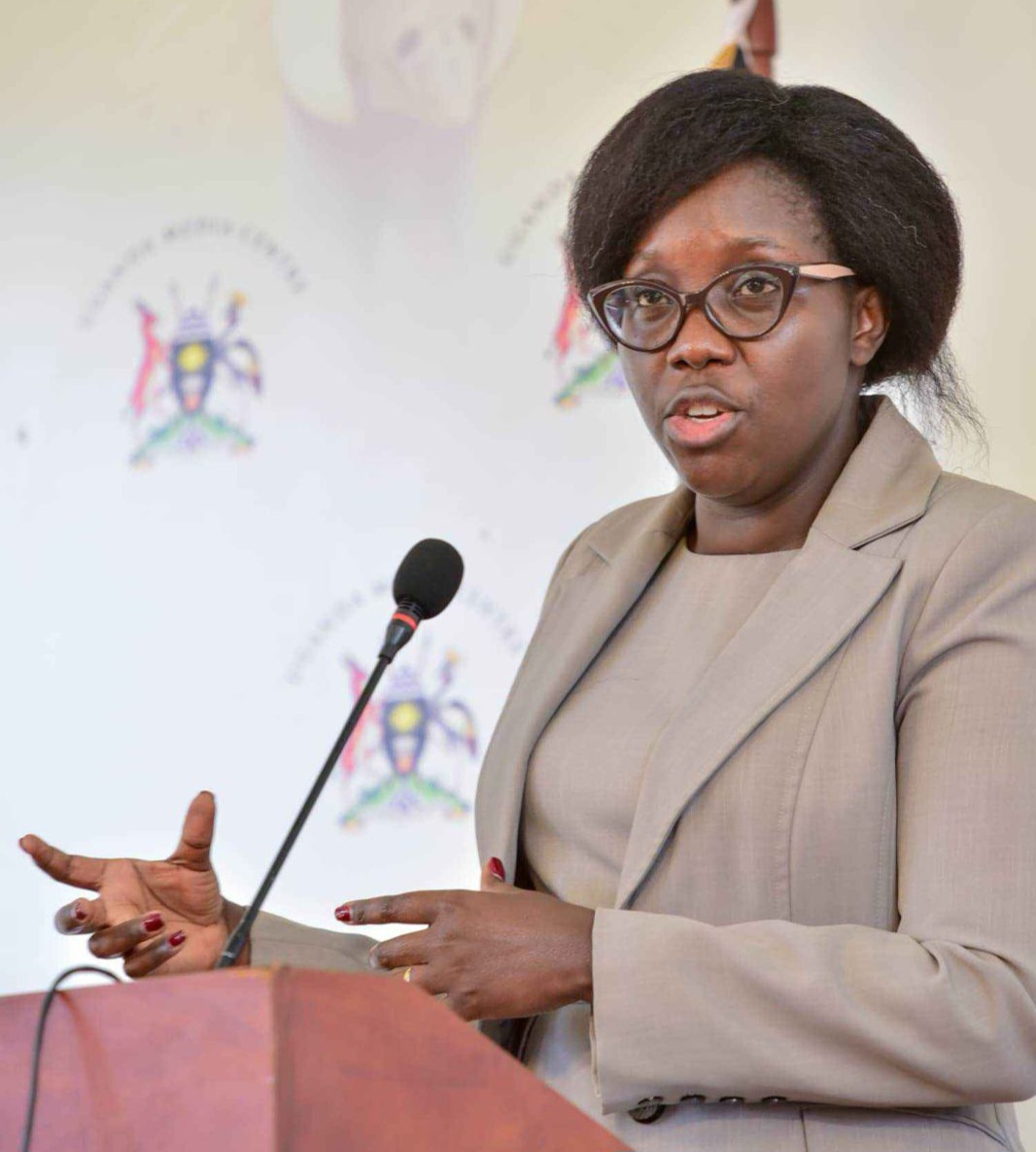
Speaking at the Uganda Media Center on April 9th, 2026, NBRB Executive Secretary Eng. Flavia Gutto Bwire outlined key changes in the law, which was assented to by President Yoweri Kaguta Museveni earlier this year and officially gazetted on February 19th, 2026.
Eng. Gutto noted that the new law introduces a range of structural and operational changes designed to improve efficiency and accountability in the sector.
“The objective of these reforms is to promote safe building and better living through strict compliance with established standards, backed by stronger enforcement,” Eng. Gutto Bwire said.
She also mentioned that the membership of the National Building Review Board has been reduced from 16 to nine members to enhance decision-making efficiency.
At the local level, Building Committees have been restructured, with district and urban engineering officers now chairing the committees, supported by physical planning officers as secretaries ensuring technical expertise leads the approval process.
The Act imposes significantly tougher penalties for non-compliance. Constructing a building without a valid permit now attracts fines ranging between UGX 20,000 and UGX 40,000 per square meter of the illegal structure, alongside a possible prison sentence of up to two years, or both.
Penalties for construction-related incidents resulting in death or injury have also been increased, reaching up to UGX 10 million in some cases.
However, additional offences and penalties will be prescribed through regulations by the Minister of Works and Transport.
To address delays, the law streamlines procedures for building and occupation permits. Where Building Committees fail to make decisions within the stipulated time frame, provisions now allow for automatic approval or escalation to higher authorities.
Eng. Gutto revealed that NBRB also plans to make occupation permits mandatory for all completed buildings to ensure they meet safety standards before being occupied.
These amendments grant broader enforcement powers to the NBRB and Building Committees, including issuing stop-work orders, evacuation notices for unsafe structures, and directives for corrective action or demolition where necessary.
The law also introduces provisions to regulate unconventional building materials and technologies, reflecting evolving construction practices.
She further revealed that the National Building Code will be revised to align with the new law, strengthening standards in structural design, electrical and plumbing systems, accessibility for persons with disabilities, and environmental adherence.
Eng. Gutto urged developers, local authorities, and the public to embrace the reforms and work with qualified professionals to ensure safety and compliance.
“Buildings are not just walls and roofs; they are systems that demand proper design, analysis, and inspection, not informal construction practices that have previously cost lives,” she added.
With stricter penalties and enhanced enforcement now in place, authorities say the success of the new law will depend on compliance and vigilance across the sector, as Uganda seeks to promote safer, more orderly urban development amid rapid growth.