
The United Nations (UN) has released a report warning about the ongoing use of anti-personnel landmines and their devastating impact on civilians, urging States to uphold international obligations and provide sustained assistance to survivors and affected communities.
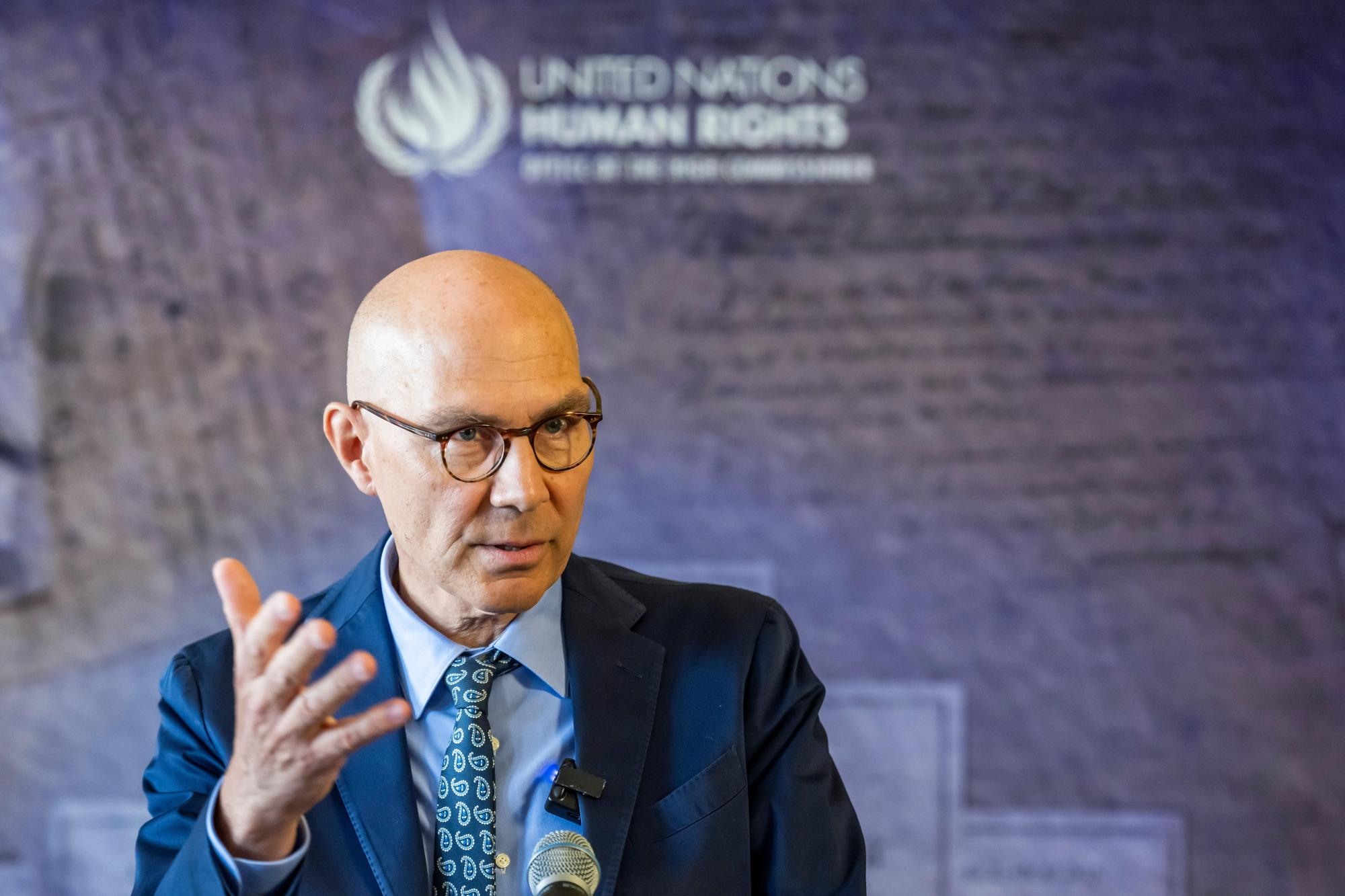
In a press release issued on Tuesday, 16th June 2026, from Geneva, UN High Commissioner for Human Rights Volker Türk stated that at least 58 States and territories remain contaminated by anti-personnel mines, while millions more continue to be held in stockpiles around the world.
“It is deeply troubling that almost 30 years since the Anti-Personnel Mine Ban Treaty was adopted, these explosive weapons continue to kill and injure people, often decades after they were placed,” Türk said.
The report noted that civilians account for approximately 90 percent of recorded casualties, with children representing more than 40 percent of civilian victims since 1999.
In 2024 alone, at least 1,945 people were killed and 4,325 injured by landmines and explosive remnants of war, with the highest casualty levels recorded in Myanmar, Syria, Afghanistan, Ukraine, Nigeria, Mali, Yemen, and Burkina Faso.
Türk urged all States to renew their commitment to ending the production, use, and transfer of these weapons and to strengthen mine-clearance efforts.
He called on countries that have not yet ratified the treaty to do so without delay and encouraged those that have withdrawn to rejoin it.
The report highlights how mines and explosive remnants of war continue to impede access to essential services, prolong displacement, limit the use of agricultural land, and obstruct post-conflict recovery and reconstruction.
It stresses the importance of reparations, healthcare, rehabilitation services, and the full participation of affected communities in decision-making processes.
The High Commissioner welcomed Lebanon’s recent accession to the Mine-Ban Convention and called for increased and predictable international funding for mine action, noting a significant decline in contributions to the UN Voluntary Trust Fund in recent years.
The report will be presented before the UN Human Rights Council on June 26th, 2026.