

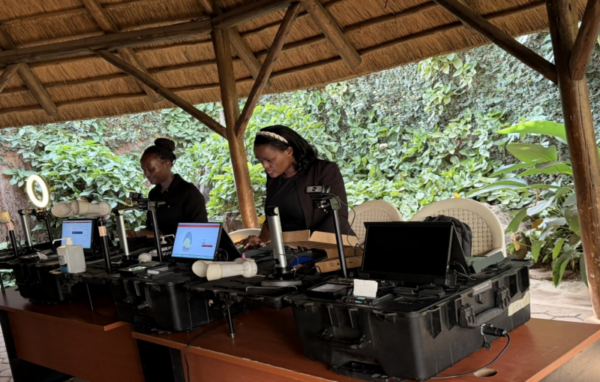
The National Identification and Registration Authority (NIRA) has announced that it will officially commence the registration of legally resident foreign nationals living in Uganda starting June 10th, 2026, so as to strengthen the country’s national identification, immigration management, security systems, and government planning.
According to Claire Ollama, the NIRA Registrar, this marks the first nationwide registration exercise specifically targeting foreign nationals residing in Uganda. The initiative is being implemented under the Registration of Persons Act and the Uganda Citizenship and Immigration Control Act.
“The exercise seeks to establish a comprehensive and accurate database of all legally resident non-citizens in Uganda,” she said.
NIRA noted that the registration will enhance identity verification, improve service delivery, support national planning, and strengthen monitoring of immigration compliance. The program is also expected to help curb illegal stays, undocumented employment, and abuse of immigration facilities.
Under the new system, successfully registered foreign nationals will be issued Alien Identification Numbers (AINs) and Alien Identification Cards, which will serve as official identification documents for foreign residents in Uganda. The validity period of each card will correspond with the duration of the holder’s immigration permit or authorized stay.
NIRA authorities clarified that the exercise targets foreigners who possess valid immigration documents permitting them to stay in Uganda for more than 90 days.
NIRA identified eligible applicants as expatriate workers, investors, international students, dependents, permanent residents, and other legally documented foreign nationals.
The authority, however, clarified that refugees and asylum seekers already registered under the Office of the Prime Minister and UNHCR systems are not the primary focus of this exercise.
Ollama guided that for applicants to complete the registration process, they will be required to present a valid passport or travel document, a valid Ugandan visa or immigration permit, work permits, student passes, dependent passes, residence permits, or other valid immigration documents; pay a registration fee of $100 through Uganda Revenue Authority (URA) payment systems; and appear physically at designated registration centres for biometric capture and verification.
NIRA authorities further emphasized that no cash payments will be accepted at registration centres and urged applicants to use only official URA payment channels to avoid fraud.
The first registration centre will operate from NIRA offices on Lumumba Avenue in Kampala, with additional centres expected to be rolled out across the country in later phases.
NIRA has also launched a pre-registration portal to enable foreign nationals to begin submitting their details online ahead of the official exercise.
According to NIRA, the registration initiative follows repeated concerns raised by the Auditor General regarding the absence of a centralized registration system for foreigners living in Uganda. Previously, NIRA largely depended on immigration permit records maintained by the Directorate of Citizenship and Immigration Control.
Uganda currently hosts a significant foreign population, including expatriates, investors, international students, and refugees. Estimates indicate that the number of conventional foreign residents is between 120,000 and 150,000 people, while the country also accommodates nearly two million refugees and asylum seekers, mainly from South Sudan, the Democratic Republic of Congo, Sudan, Somalia, and Burundi.