
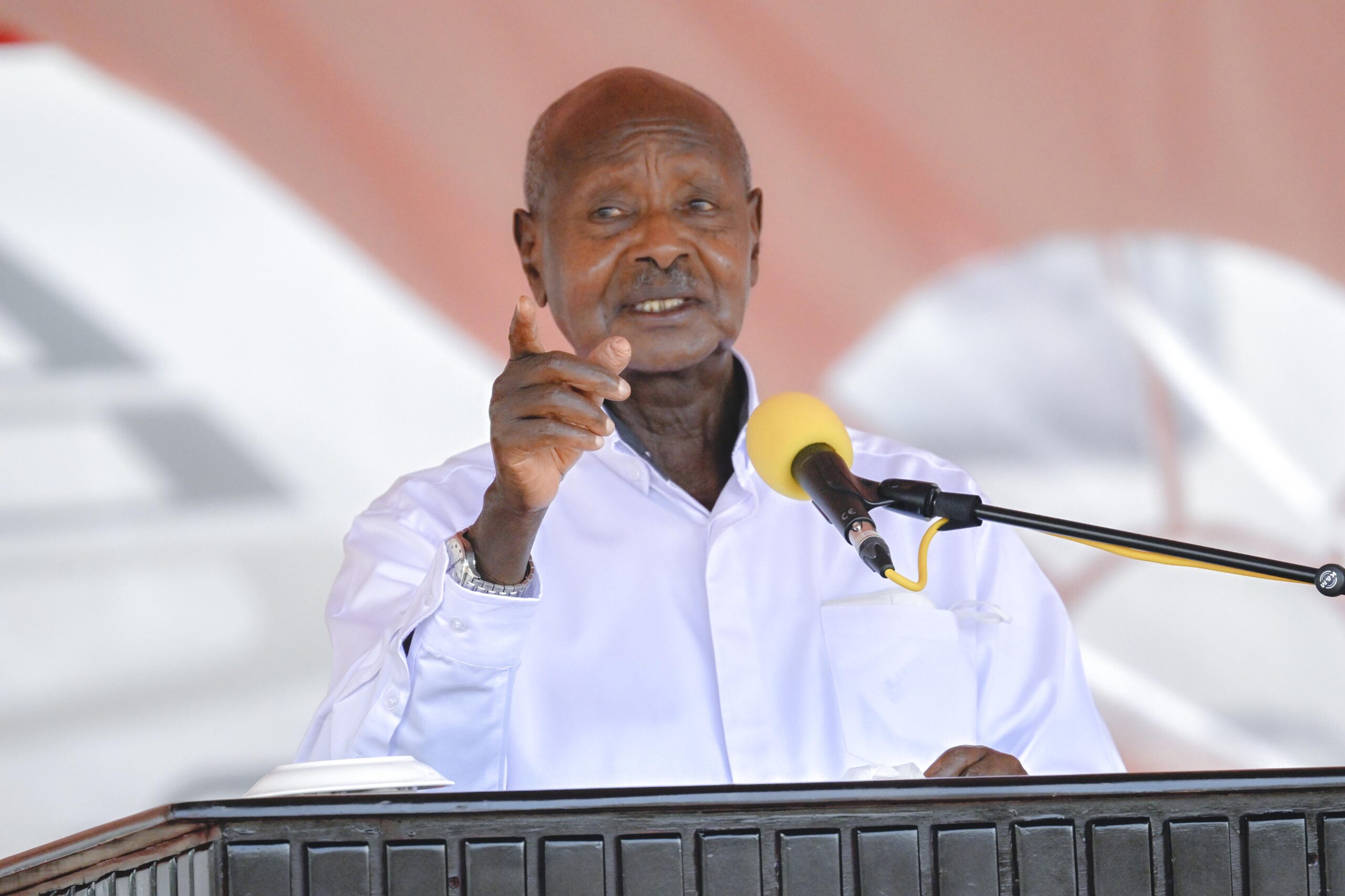
President Yoweri Kaguta Museveni has used his 2026 State of the Nation Address to issue a stern warning to leaders who seek public office for personal interests rather than service, saying Uganda’s transformation cannot be achieved by individuals driven by ego, corruption, and self-enrichment.
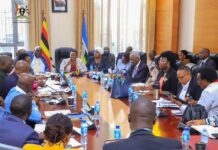
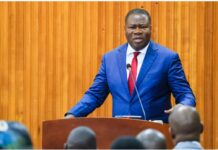
Addressing Parliament and the nation at the Kololo Ceremonial Grounds on Thursday, Museveni said leadership should be centred on mobilizing citizens for wealth creation and economic transformation, not on personal prestige or the pursuit of benefits attached to public office.
The President expressed concern over what he described as a culture of non-performance and entitlement among some leaders, arguing that Uganda’s development agenda is being undermined by officials who fail to fulfil their responsibilities while demanding privileges.
“To clarify the message: it means no more sleep, no more corruption, no more diversions, no more politeness for non-performers who want leadership positions for ego and personal intentions,” Museveni said while explaining his recent call for “no more sleep.”
The President said leadership should be measured by results and commitment to improving the livelihoods of ordinary citizens rather than by titles and personal ambitions.
He warned that leaders who are unwilling or unable to execute their mandates should step aside and allow capable individuals to take charge.
“Either you lead or you stay in your home. I hear of leaders talking about allowances to reach their people and mobilise them against poverty, I get nauseous. Out of politeness, I’ve been keeping quiet but now I’m telling you. All non-performers must leave leadership. “he emphasized
Museveni’s remarks appeared aimed at public officials who, despite occupying leadership positions, have failed to effectively implement government programmes intended to fight poverty and expand household incomes.
The President linked effective leadership to Uganda’s broader goal of transitioning all households from subsistence livelihoods into what he termed the “money economy.” He argued that the country’s development journey has always been about increasing productive participation in commercial agriculture, industry, services, and other income-generating activities.