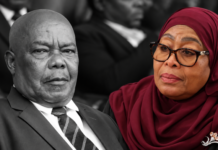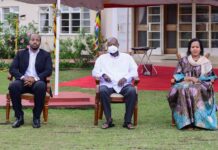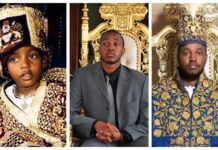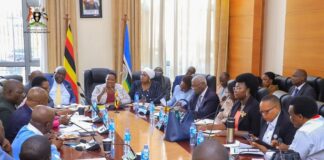

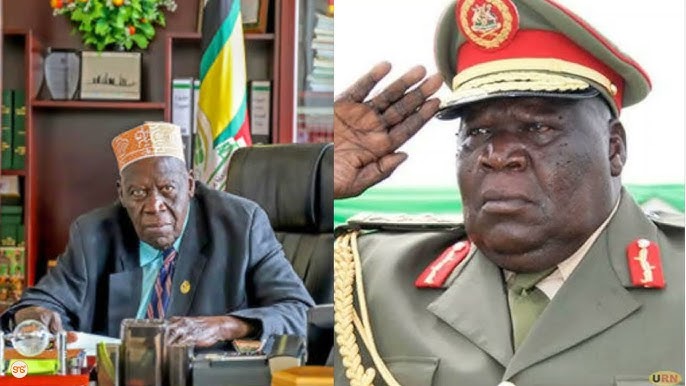
Gen Moses Ali, one of Uganda’s longest-serving and most influential public figures, has died at the age of 87, ending a remarkable career that took him from the battlefield to the Cabinet table through dictatorship, exile, armed rebellion and reconciliation.
Few Ugandans witnessed, and helped shape, as many defining moments in the country’s post-independence history as Ali. His life traced the arc of modern Uganda: teacher, soldier, Amin-era general, rebel leader, peace negotiator, cabinet minister and elder statesman.
Born on April 5th, 1939, in Atabo, Adjumani district, Ali began his working life as a teacher before joining the Uganda Army in 1968. Trained as a paratrooper, he quickly rose through the ranks and was among the officers who backed Idi Amin’s military coup that overthrew President Milton Obote in January 1971.
His rise under Amin was swift. Promoted from major to brigadier, Ali served as Minister of Provincial Administration before becoming Minister of Finance. By the mid-1970s, he had become one of Amin’s closest allies and most powerful ministers, serving at the heart of one of Uganda’s darkest and most brutal periods. His growing influence among the army, Muslims and in the West Nile region made him one of the regime’s most prominent figures.
But that alliance ended dramatically in 1978 after Amin reportedly became convinced that Ali was building an independent power base. During a tense meeting in Kampala, the president publicly accused him of corruption, financial mismanagement and defying orders before reportedly hurling an object at him in anger. Fearing for his life, Ali fled to West Nile, survived an assassination attempt, and was later stripped of his military honours and dismissed from government. His fallout with Amin remains one of the most significant internal power struggles within the former dictator’s regime.
When Amin’s government collapsed during the Uganda-Tanzania War in 1979, Ali fled into exile in South Sudan. There, he helped found and later led the Uganda National Rescue Front (UNRF), a rebel movement composed largely of former Uganda Army soldiers and fighters from the West Nile region. The group fought the second Obote government during the early 1980s, making Ali one of the country’s most influential rebel leaders.
Another turning point came in 1986 when Yoweri Kaguta Museveni’s National Resistance Army captured power. Ali negotiated a peace agreement that saw UNRF fighters integrated into the national army. Returning from exile as a Major General, he began a new political journey that lasted nearly four decades under the National Resistance Movement.
Although his NRM career was not without setbacks, including his 1990 arrest on treason and firearms charges, from which he was later acquitted, Ali rebuilt his political standing. He served in the Constituent Assembly that drafted Uganda’s 1995 Constitution, represented Adjumani West in Parliament for decades, and held several senior cabinet portfolios, including Internal Affairs, Tourism, Trade, and Relief. He also served at different times as First, Second and Third Deputy Prime Minister before becoming Second Deputy Prime Minister and Deputy Leader of Government Business in Parliament.
Ali remained active in public life into his late 80s and was re-elected Member of Parliament for Adjumani West in the 2026 general election shortly before his death.
Remembered by supporters as the “Lion of Adjumani” for his enduring influence in West Nile and viewed by critics through the lens of his prominent role in Idi Amin’s regime, Gen Moses Ali leaves behind a deeply complex legacy. Teacher, soldier, Amin-era general, exile, rebel leader, peace negotiator, cabinet minister and elder statesman, his life mirrored Uganda’s turbulent journey after independence.
Few Ugandans lived through, and helped shape, as many defining chapters of the country’s post-independence history. Whether remembered for his role in military rule or for helping restore stability in West Nile and serving successive governments, his place in Uganda’s history is secure, and will remain one of its most debated. Whether remembered as a soldier, rebel, survivor or statesman, his story remains inseparable from Uganda’s own.