
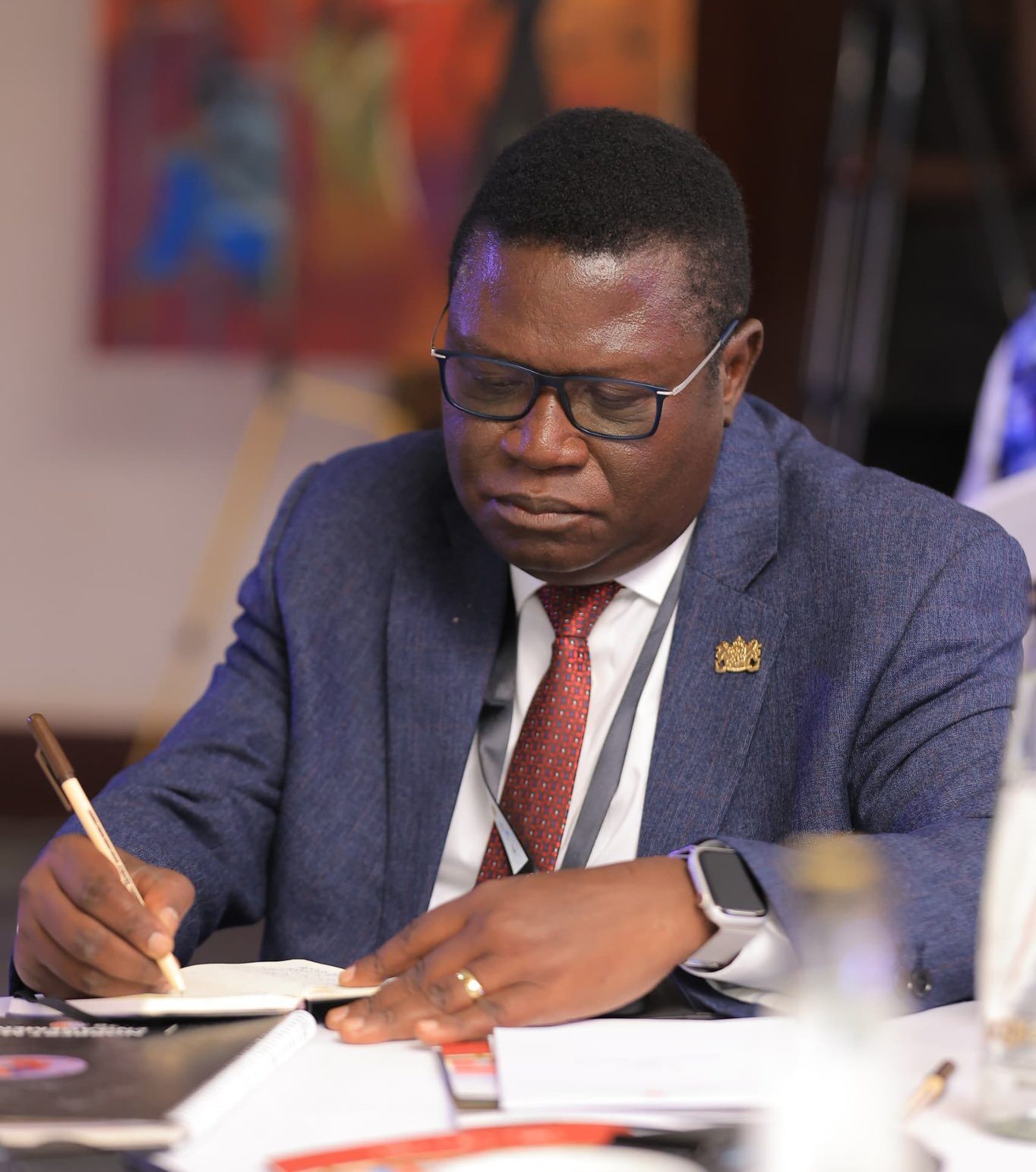
The Democratic Party (DP) is pushing for an exemption from the signature collection requirement for presidential nominations, a move that has sparked debate in the lead-up to Uganda’s 2026 elections.
Party spokesperson Gerald Serwadda, who was speaking at the DP weekly press briefing at their headquarters at Balintuma Rd, argued that such a move would be unnecessary for parties that have already met the commission’s registration standards.
Under current electoral guidelines, presidential candidates must gather at least 100 signatures from each of Uganda’s 95 districts as part of the nomination process.
However, Serwadda contended that this process is redundant for political parties that are already registered with the EC, such as DP, which has complied with all previous regulatory requirements.
“We are here and we have picked forms. This is a process we have done not once, not twice, so we know what is required. It has been my cry that political parties that are registered with the Electoral Commission should not ideally go through the process of gathering signatures from over 95 districts, because it is presumed that we already have the number,” Serwadda stated.
The call for exemption comes after DP leadership, led by Serwadda, collected nomination forms for Hon Norbert Mao, the party’s presidential hopeful for the 2026 general elections.
Mao, who has served as the party president and held various leadership roles, officially signaled his candidacy on August 18, 2025. His candidacy is expected to be a focal point in DP’s push for political reform and national leadership.
According to Serwadda, the party’s compliance with the EC’s registration requirements should be sufficient evidence of its national presence and support, eliminating the need for a further signature-gathering process.
He argued that the signatures required from all candidates, including those from registered political parties, essentially duplicate the verification process that has already been carried out by the commission.
“This is about recognizing that political parties have already demonstrated their support base across the country. If a party is registered, it means it has met specific thresholds. Requiring them to collect signatures again is just an extra hurdle,” Serwadda added.
The Electoral Commission has yet to comment on the request.