The Government of Uganda said it will unveil a new Uganda Self-Reliance Index, a tool designed to reduce refugee dependence on external humanitarian aid and strengthen livelihoods in settlements across the country.
The initiative, developed in partnership with the UN High Commissioner for Refugees (UNHCR), World Food Programme (WFP) and Enable Uganda is intended to support both refugees and host communities by promoting sustainable living, inclusive development and resilience.
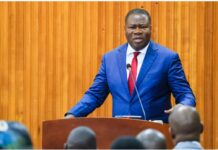
Speaking to journalists at Uganda Media Centre, State Minister for Gender, Labour and Social Development Peace Mutunzo, confirmed the launch date (November 27, 2025) at Protea Sky Hotel, Naguru,
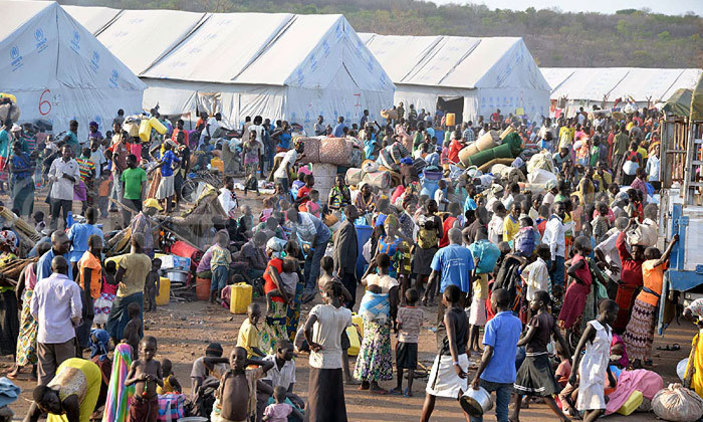
According to the UN High Commissioner for Refugees (UNHCR), Uganda currently hosts about 1.95 million refugees and asylum seekers, making it the largest refugee-hosting nation in Africa. Most originate from South Sudan (57%), the Democratic Republic of Congo (32%), Somalia (3%) and Burundi (3%).
Mutunzo said Uganda’s globally recognised open-door refugee policy allowing free movement, access to land, and shared public services reflects the country’s long-standing commitment to humanitarian values, Pan-Africanism solidarity and peaceful co-existence.
However, in order to address the scale of refugee inflow, government has been implementing a livelihood and integration plan aimed at embedding refugees into national service delivery systems.
The plan prioritizes peaceful co-existence, sustainable economic activities, food and nutrition security, skilling for employment, income generation and inclusive local development.
Mutunzo noted that self-reliance has already been integrated into Uganda’s broader development framework under the Comprehensive Refugee Response model.
According to UNHCR, self-reliance is the ability of individuals, households or communities to meet essential needs food, water, shelter, safety, education and protection sustainably and with dignity. The upcoming index will monitor these indicators over time and will mainly be applied in refugee-hosting districts.
The government says the new index will be a key pillar in shaping future refugee policy and advancing Uganda’s long-term humanitarian and development agenda.