

The United States (U.S.) has used the latest APEC (Asia-Pacific Economic Cooperation) meetings in Dalian, China, to advance priorities on illegal logging, agricultural biotechnology, digital services and supply-chain resilience as part of its America First trade agenda.
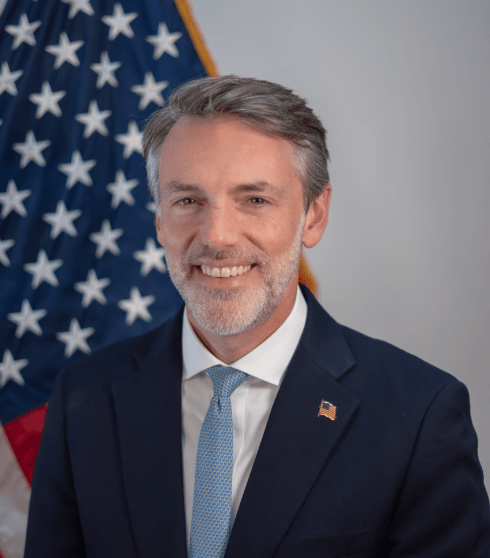
While addressing journalists at a virtual press briefing on Friday, August 28th, 2026, the U.S. Senior Official to APEC, Casey Mace said the forum remains a premier platform for shaping regional economic policies, opening markets to U.S. exports and attracting investment into the American economy.
Mace led a large U.S. interagency and private-sector delegation of more than 100 participants at the Third Senior Official Meeting cluster. The United States also took part in two ministerial meetings hosted by China.
At the Forestry Ministerial, member economies agreed to strengthen efforts against illegal logging, a practice the United States says disadvantages American lumber and timber exports. Support was also secured for workshops on coordinated responses to the problem.
At the Food Security Ministerial, the United States gained backing for science-based, technology-enabled agriculture, including U.S. agricultural biotechnology and the use of artificial intelligence.
During the Senior Officials’ meetings, the United States led four workshops covering ocean technologies to combat illegal, unreported and unregulated fishing and marine debris; trade in services to expand market access for American digital exports; supply-chain resilience and paperless trade; and labour practices aimed at raising regional standards.
Mace said the United States is supportive of Vietnam’s plans to host APEC in 2027 and sees the year as an opportunity to deepen economic ties in Southeast Asia. Ongoing U.S. priorities include expanding energy exports and American AI and digital technologies.
He noted that planning for the APEC CEO Summit in Shenzhen continues and that there is no confirmation yet on whether President Trump will attend the Leaders’ Summit. Mace added that the United States is also seeking stronger critical-minerals cooperation with partners including Indonesia.