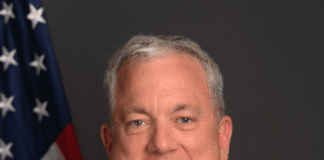


UN High Commissioner for Human Rights, Volker Türk, has urged world leaders to show strong political will in protecting and enhancing racial justice.
Türk said the Convention on the Elimination of All Forms of Racial Discrimination and the Durban Declaration have provided a comprehensive framework, which has led to the creation of anti-discrimination legislation and equality bodies.
“Those who fought and continue fighting for racial justice, equality, and freedom… Their struggle holds a special place in the history of the human rights movement,” he said.
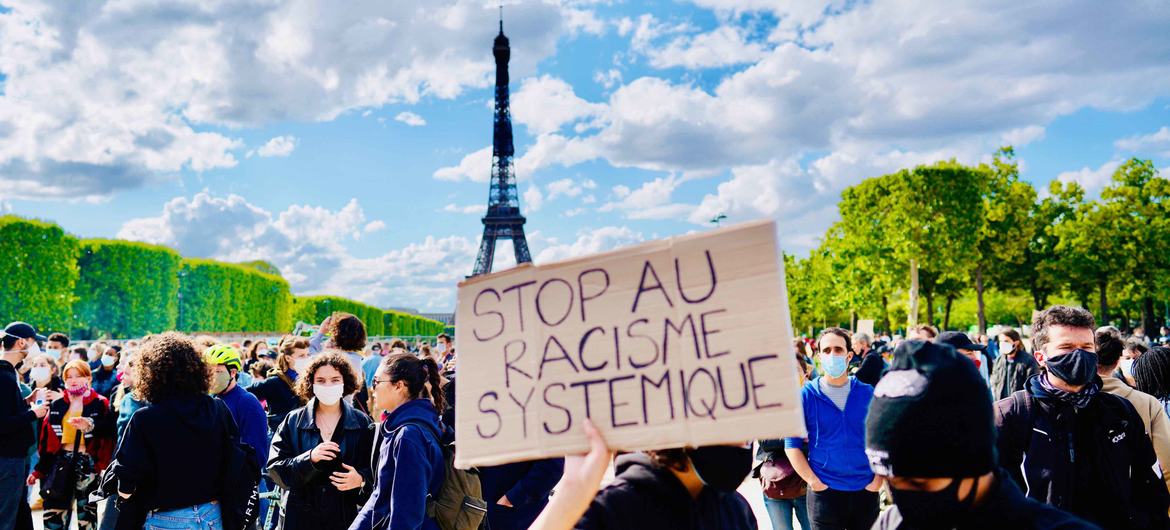
However, he noted some of the challenges facing the world in terms of racial discrimination, where people of African and Asian descent, Jews, Muslims, Indigenous People, and minorities in general, continue to face discrimination, stigma, and denial of basic rights.
According to Türk, hate speech is on the increase, with 70% of online hate crimes being perpetrated against minorities. In addition, biased media and poverty have left racialized groups in a vulnerable position.
“Racism is not only unjust and unlawful; it is morally and intellectually bankrupt,” he said.
He made these statements at the UN General Assembly’s commemorative meeting to commemorate the 60th anniversary of the International Day for the Elimination of Racial Discrimination, on Monday, 23rd March, 2026.
UN Secretary-General António Guterres warned that racism continued to harm societies and deepen global inequalities.
“It persists in the damaging consequences of enslavement, colonialism, and oppression,” he said.
He expressed concern that some governments were weakening anti-racist policies and that hate speech was increasingly spreading across digital platforms and political discourse.
The UN High Commissioner for Human Rights remains committed to working to foster concrete and meaningful action, including support for the High Commissioner’s Agenda towards transformative change for racial justice and equality, as well as the eight UN human rights anti-racism mechanisms.