
Legal experts and governance advocates are calling for better reforms to Uganda’s electoral and legal frameworks, arguing that existing systems have become outdated, bureaucratic, and vulnerable to abuse.
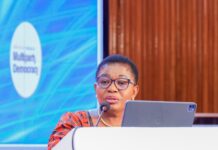
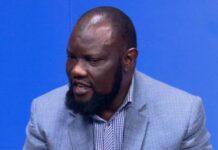
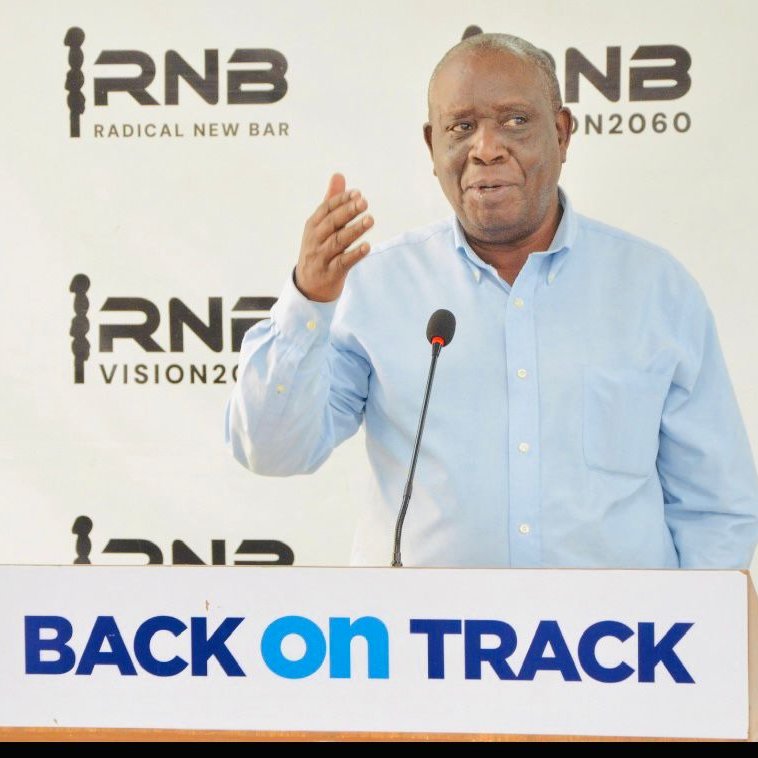
Speaking during the Uganda Law Society’s “Radical New Bar” Live session #44 on 21st November, 2025, Makerere University senior political science lecturer, Mwambutsya Mwebesa warned that Uganda’s democratic foundations are showing signs of strain due to conflicting laws and weakening institutional legitimacy.
He argued that the country’s governance system is struggling to adapt to modern realities.
“You are a nation of law, and civilization can’t thrive without law and legal systems. But maybe what is happening in society now is what Jesus referred to when he said new wine must be poured into new wineskins. The wineskins may blow apart, and tension is inevitable,” Mwebesa stated.
He pointed to the contradictions within Uganda’s democracy, arguing that the country’s Constitution has been amended 119 times in 30 years compared to just 27 amendments in 236 years for the U.S. Constitution.
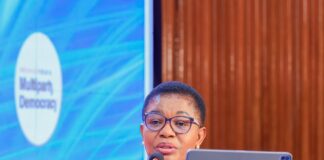
Charity Ahimbisibwe, Executive Director of the Electoral Laws and Governance Institute, criticized the Electoral Commission’s approach to contested academic credentials, describing it as ‘unfair and bureaucratic.’
“If I already have my original certificate, will they refuse me simply because I didn’t bring another? The law demands the qualifications, not that candidates produce new documents every time,” Ahimbisibwe stated.
Ahimbisibwe clarified that the legal eligibility for public office is only affected by criminal convictions involving prison terms exceeding nine months. Civil cases and fines do not bar candidacy, emphasizing fairness enshrined in the Constitution.
However, she expressed frustration with continued national debates about old academic certificates from the 1980s and ’90s.
“These are verifiable records. It wastes national time to argue about them as if they are mysteries,” Ahimbisibwe stated.
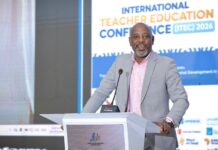
Advocate Jet Tumwebaze criticized election management costs tied to handling forged documents, saying billions are wasted annually to deal with electoral fraud.
He called for harsher legal consequences requiring confirmation and reimbursement of these election expenses by offenders.
Tumwebaze also drew attention to gaps in candidate nominations, exposing cases where aspirants swear to having qualifications but fail to submit any certificates; a loophole undermining electoral credibility.
The Radical New Bar discussion reaffirmed calls for reform of Uganda’s electoral and legal systems to foster genuine democracy rather than protect entrenched privileges.
The event, themed, “UNEB, NCHE, Electoral Commission: Guardians of Democracy or Enablers of Privilege?” brought together legal experts, election officials, and democracy advocates to scrutinize systemic challenges facing Uganda’s electoral processes ahead of the 2026 polls.