

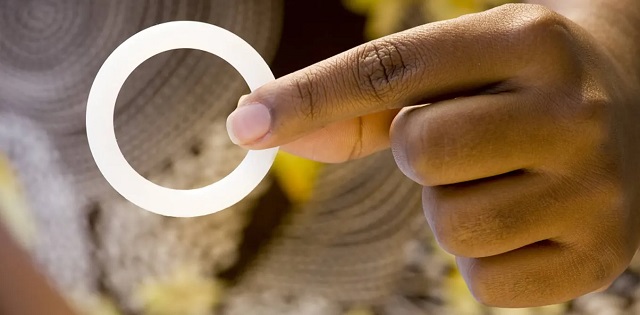
A new chapter in women’s HIV prevention is emerging in Uganda with the planned rollout of the dapivirine vaginal ring, a monthly method that provides women with added protection against HIV.
Specialists say the innovation is a significant step toward empowering women with more independent methods of protection.
The flexible silicone ring, which is inserted in the vagina and left in place for one month, slowly releases dapivirine, an antiretroviral medicine that helps block HIV from entering the body.
The method has been endorsed by the World Health Organization (WHO) and is already being rolled out in several African countries with high HIV prevalence.
The Ministry of Health says plans are underway to introduce the ring in selected districts as part of a phased approach targeting young women, married women, and those who may struggle to negotiate condom use.
Dr Lydia Nantale, a reproductive health specialist at Mulago National Referral Hospital, agrees that the ring could fill an important gap in Uganda’s HIV prevention toolkit.
“Many women want protection but do not always have the power to make decisions in their relationships,” Dr Nantale says.
“The vaginal ring gives women a discreet, self-controlled method that they can use without needing daily pills or partner negotiation.” Nantale adds.
While the ring does not provide full protection, studies show that it can reduce HIV risk by up to 30%, with higher effectiveness among women who use it consistently.
Dr Benon Musoke, at family doctor’s clinic involved in HIV-prevention research in Kampala, says the ring is not meant to replace other methods but to increase available choices.
“We want a situation where women have multiple options like condoms, PREP, treatment as prevention, and now the vaginal ring. HIV prevention works best when people can choose what fits their lives.”
Public health teams say the ring could especially benefit young women and adolescent girls, who continue to face higher HIV infection rates than their male counterparts.
According to the Ministry of Health, barriers such as stigma, lack of privacy, and partner control have made it difficult for many women to rely solely on condoms or daily oral PREP.
Dr Annet Kaggwa, a senior medical officer in Wakiso District, says the ring’s convenience is likely to increase uptake.
According to her, a monthly method is easier to maintain, especially for women who may forget daily medication.
“What matters most is giving women real choices that fit their realities,” Kaggwa states.
As Uganda prepares for the rollout, health workers emphasize the importance of awareness campaigns to ensure that women understand how the ring works, where to access it, and how to use it correctly.