


The Naguru Reception Centre, a government-run facility under Uganda’s Ministry of Gender, Labour, and Social Development, continues to provide a safe haven for abandoned children.
However, the center is now facing a critical challenge: an overwhelming number of vulnerable youths who have aged out of the system and remain stuck with no support to transition into independent living.
Esther Nyamahunge, the Probation and Welfare Officer at the center, spoke to the media on September 29, 2025, expressing concern over the facility’s overcrowded conditions and the absence of a clear transition plan for children who have reached the age of 18.
“Children over the age of 18 are still living here because they have nowhere else to go,” Nyamahunge said.
Originally designed to accommodate about 35 children, Naguru Reception Centre now houses 88 children; 61 boys and 27 girls beyond its capacity.
While many children are admitted and discharged regularly, those over the age of 18 are without a structured pathway to independence, they are left with little support and uncertain futures.
Nyamahunge called on the government to establish dedicated transition programs to help young adults prepare for life after the center.
“We need a center focused on providing life skills, vocational training, and job placement to equip these youths with the tools they need for self-sufficiency,” she explained.
The issue of aging-out residents still remains urgent, as Naguru’s current structure lacks the resources to provide these young people with the skills they need to thrive independently
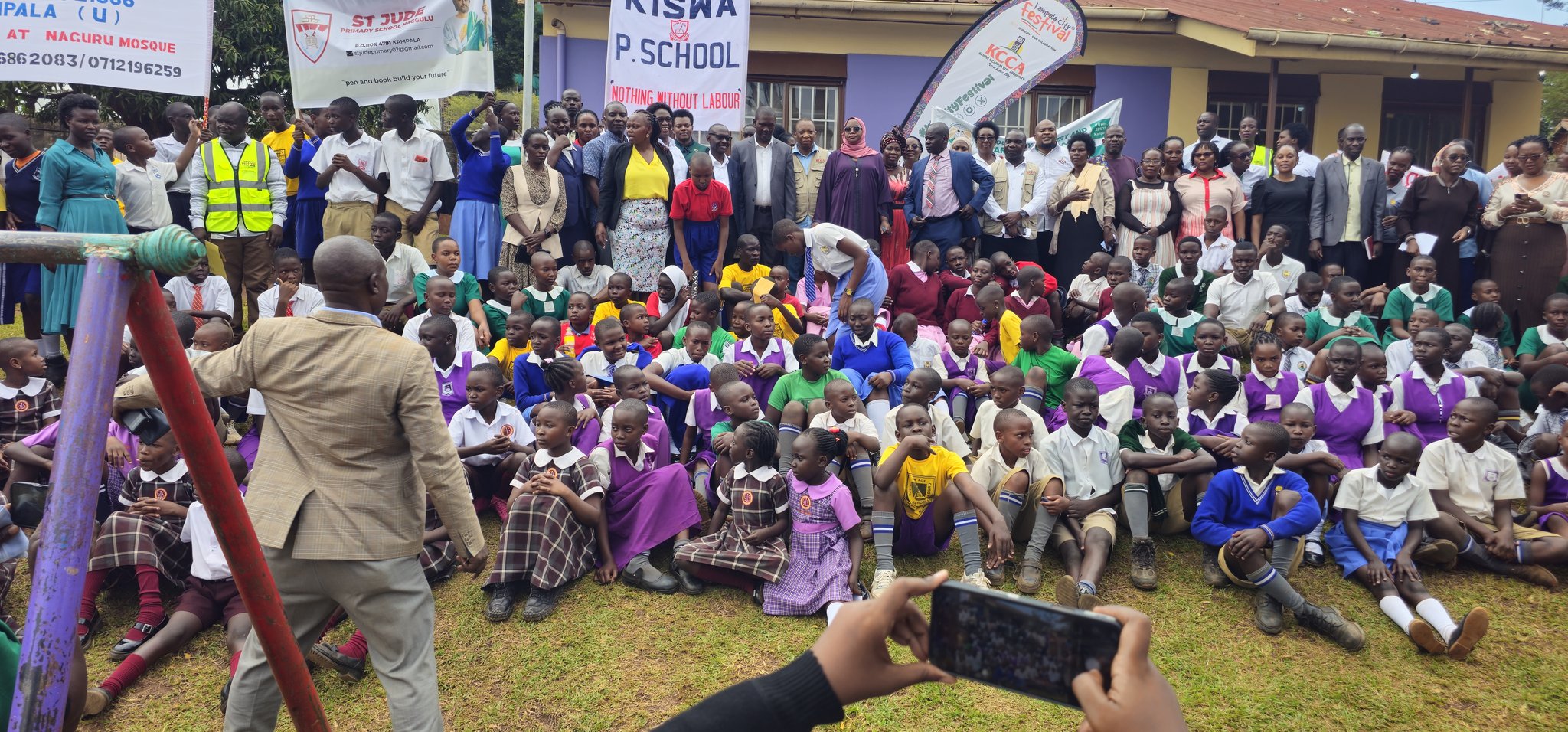
Recently, Kampala Capital City Authority (KCCA) donated items worth UGX 12 million to the center ahead of the Kampala Capital City Festival.
Hajjat Buzeki Sharifah, KCCA’s Executive Director, commended the efforts of the Rotary Club of Kiwatule for their kind gesture, but also emphasized the need for long-term solutions.
“We pride ourselves in being united for good. Thank you for spreading smiles to these amazing kids. But we must also focus on how we can ensure their successful transition to adulthood,” Buzeki said.
Stakeholders, including government agencies, corporate partners, and civil society, must step forward to address this gap and ensure that Uganda’s most vulnerable youths can transition from care to self-reliance with dignity and opportunity.