

The East African Crude Oil Pipeline (EACOP) project has reached a major milestone with the delivery of the final batch of pipes at Dar-es-Salaam Port in Tanzania, marking the transition to the final stages of construction.
On September 29, 2025, the Petroleum Authority of Uganda (PAU) confirmed that all 1,443 kilometers of pipeline materials have been delivered, completing a massive logistical operation that began in December 2023. This final shipment included the remaining 80 kilometers of pipes vital for linking Uganda’s oil fields to the Tanzanian coast.
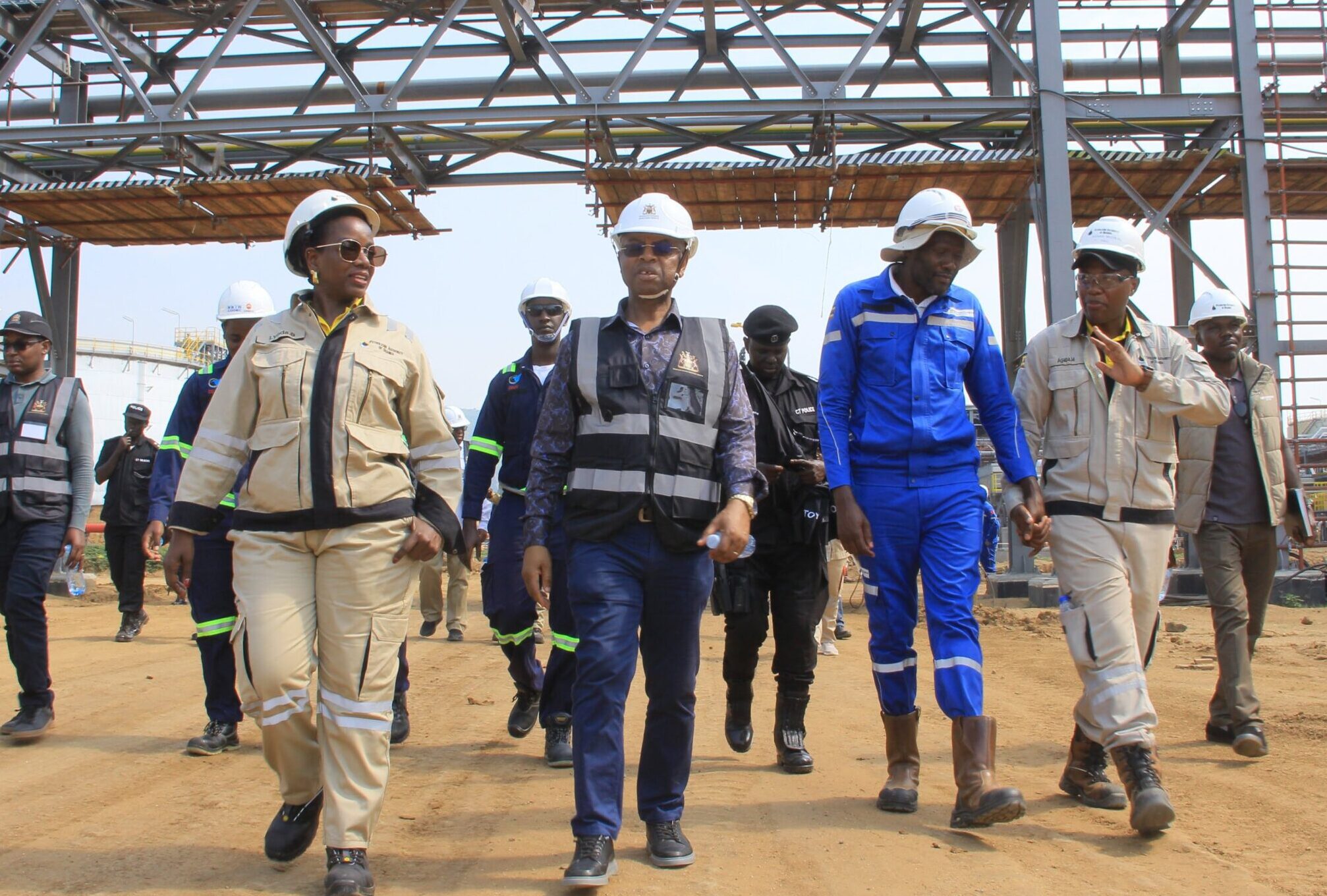
With the pipeline materials in place, the focus now shifts to the rapid preparation and installation of the remaining sections.
As of the announcement, 800 kilometers of pipeline have been welded, 300 kilometers coated, and 115 kilometers buried, alongside ongoing installation of essential high voltage cables.
The EACOP project is touted as the world’s longest heated crude oil pipeline, spanning 1,443 kilometers from Uganda to the Indian Ocean coast of Tanzania. The pipeline’s design incorporates advanced technologies including a cocoon of electrical heating cables and fibre-optic networks running its entire length, allowing real-time satellite monitoring to detect leaks, sabotage, or pilferage within seconds.
This smart monitoring system ensures rapid isolation of affected pipe sections to minimize environmental damage and commercial loss.
Patrick Pouyanne, Chief Executive of Total SE, the project’s key developer, called the delivery milestone “a day of history for Uganda, for Tanzania, for East Africa, for Total.”
Construction progress up to mid-2025 includes 66.5% completion with key infrastructure like pumping stations and a marine terminal at the Indian Ocean port of Tanga making steady advancements.
Approximately 3.6 billion dollars have been invested in the project’s construction, which is integral to Uganda’s aspirations to begin crude oil production by 2026.
Beyond the energy sector, EACOP is driving broader regional development by enabling the creation of gas-fired power plants that stabilize electricity supply for manufacturers and businesses, modern roads, specialized airstrips, and thousands of skilled jobs in construction and logistics.
The Petroleum Authority of Uganda (PAU) emphasized the milestone as a catalyst for national growth.
“The oil and gas sector is not only advancing towards first oil but also creating powerful linkages across Uganda’s economy,” PAU said.
The pipeline route was carefully selected to minimize environmental and social disruption, traversing varied terrain while avoiding excessive displacement.
Nevertheless, concerns remain among some stakeholders about potential environmental risks, especially near sensitive areas like Lake Victoria, which supports millions of livelihoods.
Uganda’s oil journey, anchored by this historic pipeline, is expected to unlock vast economic potential through enhanced energy stability, job creation, and industrial growth.