

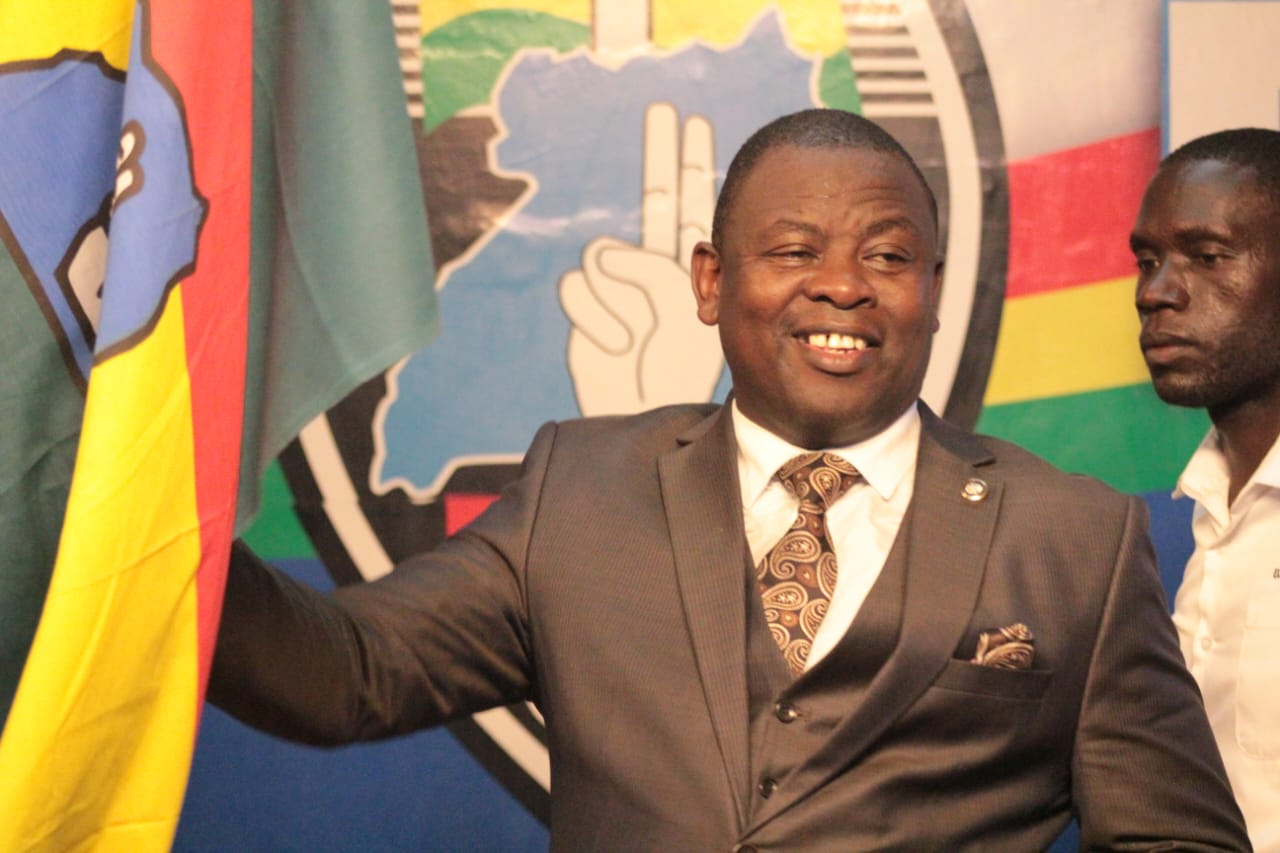
The Forum for Democratic Change (FDC) has elected Ibrahim Kasozi as its new Deputy President for the Buganda Region, with the newly elected leader pledging to rebuild party support and restore confidence among members following recent internal challenges.
Kasozi was elected during a vote conducted at the party headquarters in Najjanankumbi, defeating Apollo Kantinti and Richard Muyomba in a race that attracted leaders from the party’s National Executive Committee (NEC).
According to the FDC Electoral Commission, Kasozi secured 11 votes to emerge victorious, while Kantinti garnered seven votes and Muyomba received one vote.
His election comes at a critical time for the opposition party following the departure of former Buganda regional leader and ex-Mawokota South Member of Parliament Yusuf Nsibambi, who defected to the ruling National Resistance Movement (NRM) earlier this year.
Addressing journalists shortly after his election on Thursday, Kasozi acknowledged the challenges ahead, particularly the task of restoring morale among party members who became discouraged following Nsibambi’s exit.
He said rebuilding unity within the party and reconnecting with grassroots supporters would be among his immediate priorities.
“It’s quite challenging to take on leadership when not all of you are balancing, and it takes a sober mind to talk to all disgruntled party members to come back on board. We will soon unveil our plans for achieving that,” Kasozi said.
The newly elected deputy president thanked members of the National Executive Committee for entrusting him with the responsibility of leading the party in Buganda and pledged to work closely with other leaders to strengthen party structures across the region.
Kasozi noted that while Nsibambi’s departure had affected morale among some supporters, it also presented an opportunity for the party to reorganize and renew its engagement with members.
He emphasized the need for dialogue, reconciliation, and grassroots mobilization to ensure that the party remains competitive and relevant within Buganda’s political landscape.
Political observers have described Nsibambi’s defection to the NRM in February 2026 as one of the most significant opposition departures in recent months, given his previous role as FDC Parliamentary Chief Whip and his influence within the party’s structures in Buganda.
The move was widely seen as a setback for the opposition party and sparked concerns about the future of its support base in the region.
However, Kasozi expressed confidence that the FDC remains strong and capable of recovering from the setback through effective leadership and renewed engagement with supporters.
He said the party’s focus will remain on strengthening its structures, mobilizing members, and advancing its political agenda in Buganda and across the country.
The election also signals the beginning of a new chapter for the FDC in Buganda as the party seeks to consolidate its support and prepare for future political activities.
As he assumes office, Kasozi faces the challenge of rebuilding trust among party members, re-energizing grassroots structures, and restoring the confidence of supporters who may have been affected by recent developments within the party.