

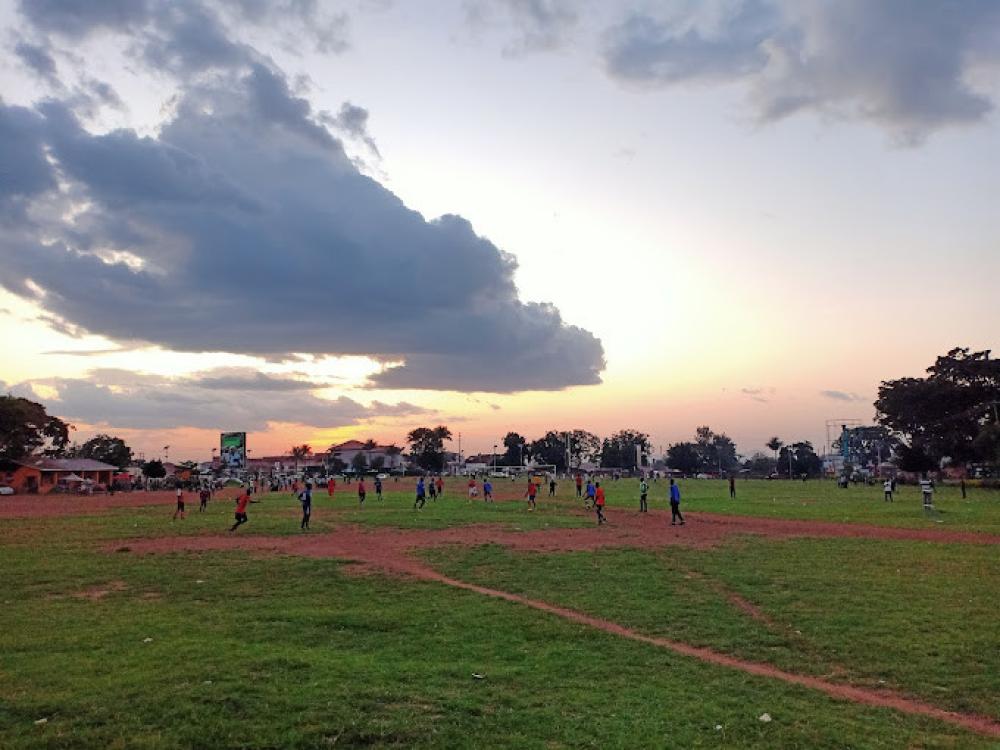
Hoima City is at the center of an intensifying debate over the future of its 6.7-acre Boma Grounds, as the city transitions from a Town Council to a recognized regional city.
The proposed redevelopment of this key public space has sparked concern among local leaders, urban planners, and civil society groups over environmental protection, sustainable urban growth, and disaster preparedness.
For more than a decade, the Boma Grounds have attracted competing proposals, from a high-level health facility to a modern multi-sports complex, the latest of which is being pushed for by the National Council of Sports (NCS).
The proposal seeks to transfer ownership of the land from Hoima City to facilitate the construction of a multi-sport facility ahead of the 2027 Africa Cup of Nations (AFCON).
However, critics are questioning the process, pointing out that no Environmental and Social Impact Assessment (ESIA) has been submitted to the City Council or the public.
Such an omission, they argue, violates both the Albertine Graben Environmental Management Plan (AGEMP) and Uganda’s Environment and Social Safeguards (ESS), which mandate thorough environmental vetting before any major infrastructure project is approved.
The scrutiny is heightened by the presence of the regional offices of the National Environment Management Authority (NEMA) in Hoima, the agency responsible for enforcing compliance.
Beyond environmental concerns, the Boma Grounds serve as Hoima’s only formal emergency assembly point, a critical asset for a city struggling with unregulated urban growth.
On match days for local football giants Kitara FC and Buhimba Saints already cause significant congestion, spilling into the central business district.
Urban planners warn that adding another major sports complex within five kilometers of the Hoima City Stadium in Kyarwiru could worsen traffic, disrupt local businesses, and complicate ongoing investments in the city’s oil and gas sector.
Stakeholders argue that the current proposal conflicts with Uganda’s Vision 2040, which emphasizes orderly, resilient urban development, protection of open spaces, and disaster risk reduction.
It also falls short of the United Nations Sustainable Development Goals (SDGs), particularly SDG 11 (Sustainable Cities) and SDG 13 (Climate Action).
As an alternative, urban planners are advocating for a distributed development model, channeling major facilities into Hoima’s other divisions, particularly Hoima West, where land availability and population pressures are more favorable.
Schools such as Parajwoki, Karongo, and Bulemwa are cited as potential sites where existing playgrounds could be upgraded into dual-use sports and community hubs, supporting SDG 4 (Quality Education) while relieving pressure on the central business district.
Experts argue that spreading developments across Hoima East and Hoima West would promote equitable urban growth, complement the ongoing upgrades of the city’s 400 kilometers of roads, and preserve green spaces.
They reference global planning frameworks, including the Garden City model and incremental planning, as proven strategies for managing pollution, integrating recreational spaces, and ensuring sustainable expansion.
With the city’s rapid growth and its strategic position in the Albertine region, the debate over the Boma Grounds highlights the critical need for planning that balances urban development, environmental stewardship, and community well-being.
How city authorities resolve this issue could set a precedent for future projects and shape the reputation of Hoima City for decades to come.