

As Uganda joins the rest of the world to commemorate World Mental Health Day 2025, mental health specialists have raised concern over the growing psychological distress among Ugandans, especially in the face of emergencies, economic pressures, and social instability.
Grace Linda Nabatanzi, a mental health expert on a local broadcast today 10th October 2025, says that the rate of mental health challenges in Uganda has steadily increased, with reports indicating that one in every four Ugandans experiences some form of mental disorder during their lifetime.
Statistics from a 2025 national conference highlighted these issues, noting that 78% of the Ugandan population is under 30. Mental disorders are prevalent in both children (22.9%) and adults (24.2%), with anxiety disorders affecting 14.4% of children and 20.2% of adults, according to a 2021 study.
According to Nabatanzi, the rise in depression, anxiety, and trauma-related cases has been worsened by poverty, domestic violence, and post-conflict stress in several regions.
“When people go through emergencies whether it’s a flood, a pandemic, or a family crisis mental health support is often treated as secondary,” Nabatanzi says.
“Yet, without addressing the emotional well being of survivors, we can’t achieve full recovery,” Nabatanzi adds.
The Ministry of Health recorded over 616,000 mental health outpatient cases in the 2023–2024 fiscal year, a sharp increase from about 491,000 cases in 2020–2021.
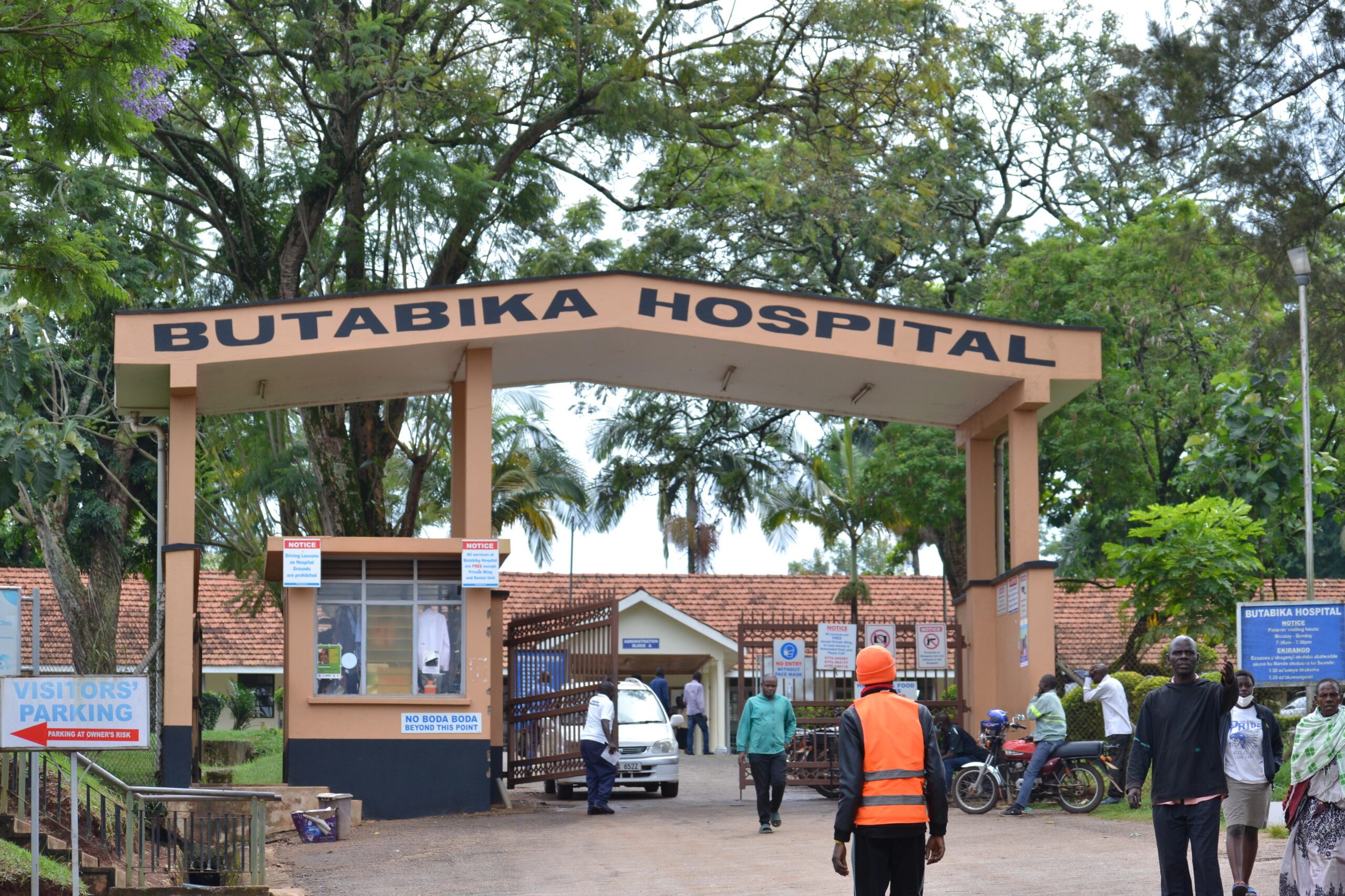
Similarly, Butabika National Referral Mental Hospital, the country’s only psychiatric hospital, reported that the facility consistently operates far beyond its 550-bed capacity, often hosting more than 1,000 patients
Nabatanzi urges the government and development partners to strengthen psychosocial interventions in schools, workplaces, and communities to help those struggling silently.
Sarah Nanyonjo, a resident in Kampala shares her experience, noting that many suffer in silence for fear of being judged. Counselling services are expensive, and in most communities, people still believe mental illness is a curse.
Ronald Mugisha, a youth leader from Mbarara suggests a need for awareness among young people.
“Our generation is dealing with pressure from unemployment and social expectations, we need safe spaces and mental health programs that help us cope,” Mugisha says.
Mental health experts have repeatedly advocated for more investment in mental health services, more trained counsellors at health centres, and community-based initiatives.
In this year’s theme, “Mental Health in Emergencies,” seeks to highlight the often-neglected emotional and psychological toll crises have on individuals and communities.