

The European Union (EU) has announced an additional €1.5 million in emergency funding to the UN Refugee Agency, United Nations High Commissioner for Refugees (UNHCR) in Uganda, as the country grapples with a surge of people fleeing conflict in neighboring nations.
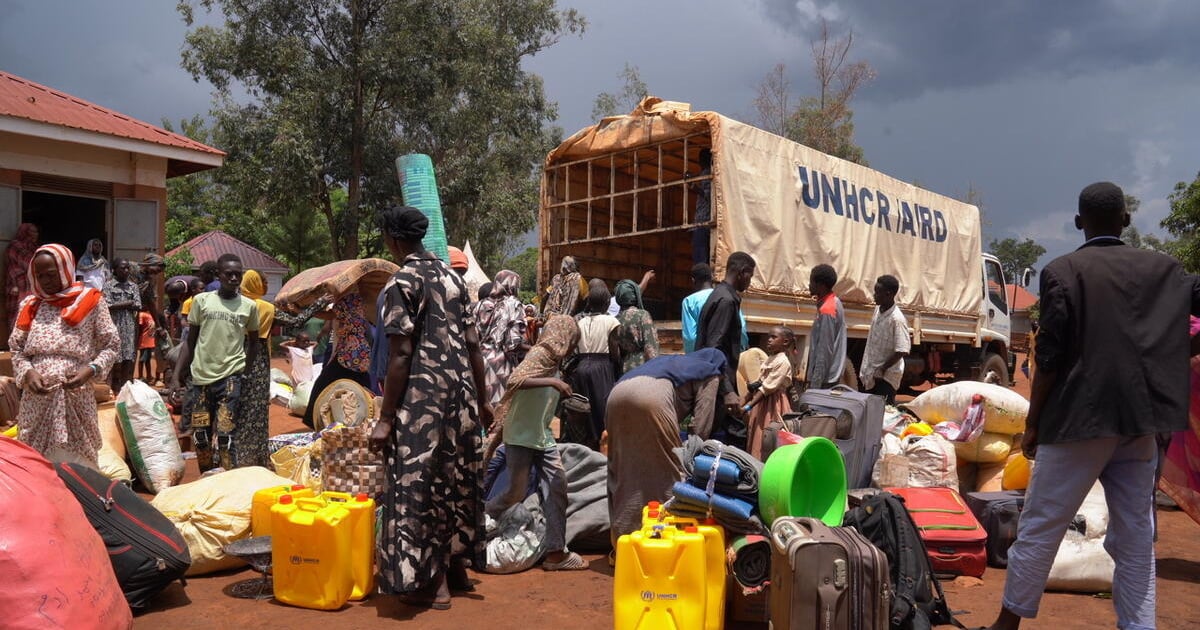
The new allocation, announced on 23rd September, 2025 is intended to strengthen the humanitarian response for an estimated 226,500 refugees expected to arrive in Uganda this year.
The country remains one of the world’s largest hosts of refugees, welcoming new arrivals primarily from the Democratic Republic of Congo (DRC), South Sudan, and Sudan.
This latest contribution from the EU’s Civil Protection and Humanitarian Aid Operations (ECHO) builds on a multi-year partnership worth €19.5 million, spanning 2023 to 2025.
The funds will support urgent needs at border points and transit centers, which are under increasing pressure from the continuous influx of refugees.
According to UNHCR, the money will accelerate the registration process and facilitate the safe relocation of refugees from congested border areas to established settlements, where they can access essential services and protection.
“This support enables UNHCR to respond swiftly to life-saving needs and protect the dignity of thousands fleeing violence and insecurity,” Matthew Crentsil, UNHCR Representative in Uganda said.
He expressed gratitude for the EU’s “continued and principled humanitarian engagement.”
Beyond initial reception, the funds will also support critical programs addressing gender-based violence, child protection, and malnutrition. These initiatives will be implemented in partnership with other UN agencies, including the World Food Programme (WFP) and UNICEF.
Liam Kelly, Head of ECHO in Uganda, highlighted the EU’s commitment to a needs-based approach.
“The EU stands with Uganda and the people who seek safety here. This additional funding reflects our belief in a principled, needs-based humanitarian response,” Kelly said.
While this emergency funding addresses immediate needs, UNHCR is calling for sustained international support. The agency stresses the importance of not only assisting refugees but also supporting Ugandan communities hosting them, as local resources continue to be stretched thin.
The situation highlights ongoing instability in the region and mounting pressure on Uganda’s asylum system, which, despite its progressive policies, remains critically underfunded.
As conflicts persist in the region, Uganda’s refugee-hosting system continues to face immense pressure.
While the EU’s additional funding provides crucial short-term relief, sustained international support remains essential to protect refugees, support host communities, and ensure that Uganda’s progressive asylum policies can meet the growing humanitarian demand.