

Lawmakers and mental health experts have called for an immediate repeal of colonial-era laws that criminalize attempted suicide, warning that punishing people in distress is fueling a rising mental health crisis across Africa.
The call was made on October 21st, 2026, during the African Summit on Suicide Prevention 2026, at the Sheraton Kampala Hotel. The three-day event, which run from October 19th-21st, gathered delegates from across the continent to draft a unified strategy to lower Africa’s suicide rates, which currently sit well above the global average.
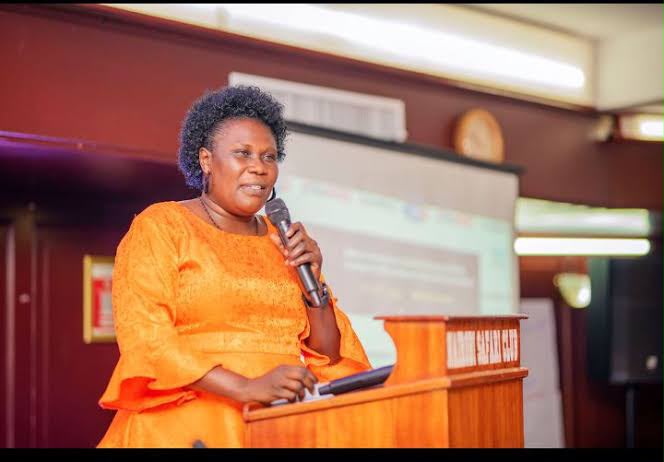
Rose Obigah, the Chairperson of the Uganda Parliamentary Forum on Mental Health (UPFMH), strongly condemned existing penal codes that treat a psychological crisis as a crime.
“Arresting individuals who attempt suicide does not deter them; instead, it drives vulnerable people into secrecy and prevents them from seeking lifesaving medical help,” Obigah stated.
Supporting this view, Ronald Balimwezo, the Lord Mayor Kampala noted that punitive laws are outdated and ignore the severe modern pressures facing young Africans today, including high unemployment, economic distress, and gambling addictions.
The primary purpose of the summit was to shift the continental response from “silence to action” by focusing on three main goals.
Legal Reform by pressuring the remaining 40+ African nations to follow the recent paths of Ghana and Kenya, which successfully decriminalized attempted suicide.
Better Data Tracking by establishing stronger local surveillance systems to fix weak data collection and widespread underreporting.
Community Support by building youth resilience programs and integrating people with lived experience into formal healthcare networks.
The intended outcome of the summit is to establish a clear policy framework that forces governments to redirect funds from the criminal justice system into community-level counseling, school mental health programs, and accessible psychiatric care.
Miria Matembe, a former minister and advocate challenged lawmakers to use their parliamentary oversight roles to track budget allocations and hold government ministries accountable for mental health delivery.
According to Balimwezo this legislative shift will finally begin lowering the continent’s estimated suicide rate of 11.2 per 100,000 people.
The Uganda Legislative Agenda, UPFMH actively aims at pushing this cause, leaving the debate directly to the floor of the Ugandan Parliament, where lawmakers are being challenged to draft an amendment repealing the colonial-era penal code sections on attempted suicide.