

Civil society activists are raising awareness about Duchenne Muscular Dystrophy (DMD), a severe genetic disorder affecting many Ugandan families.
DMD primarily affects boys, with symptoms of muscle weakness typically starting around age four and progressing rapidly. Muscle loss begins in the thighs and pelvis, later affecting the arms. By age 12, most children lose the ability to walk.
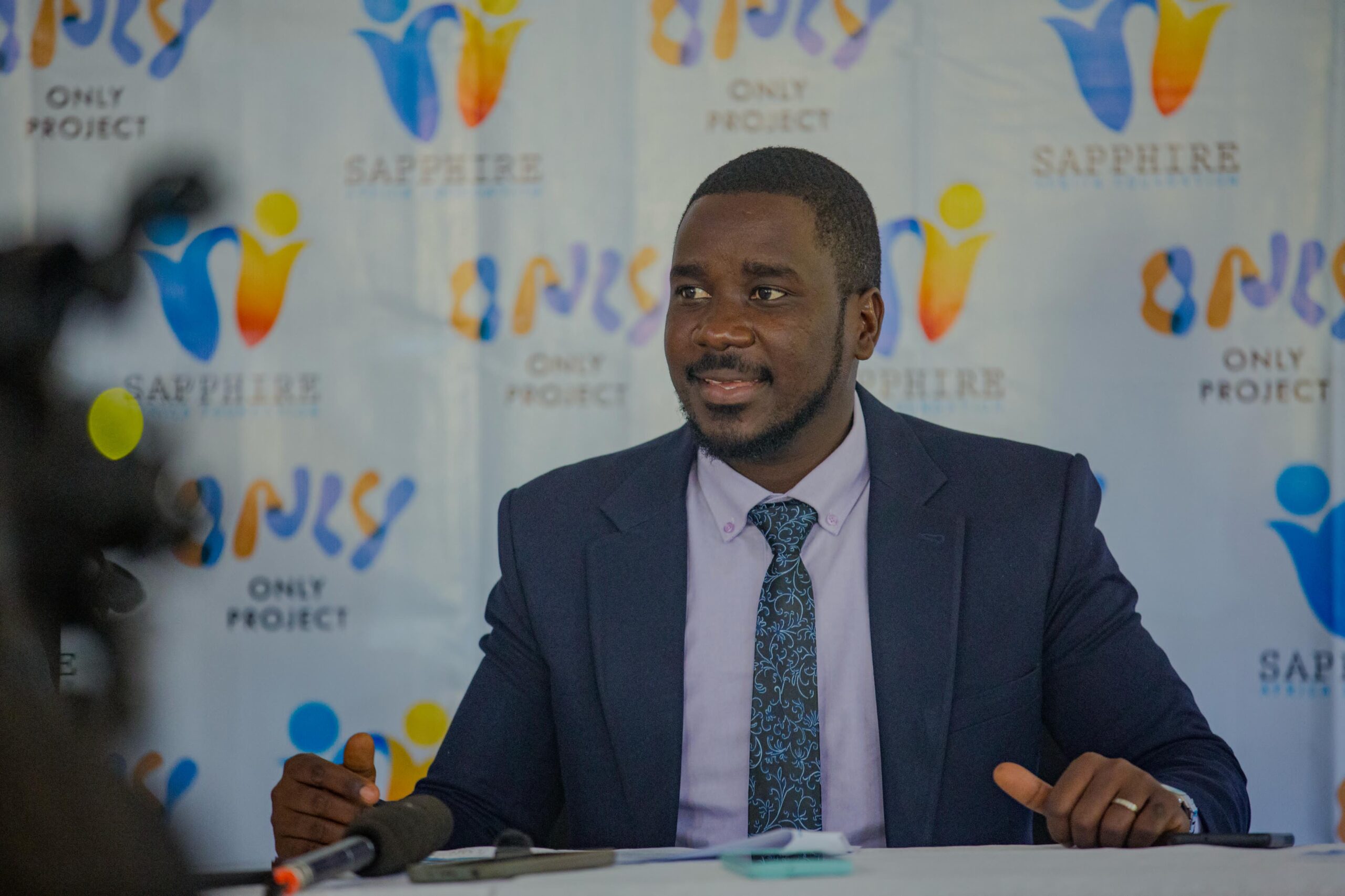
Speaking at Mulago Hospital Guest House on 09 September 2025, Sapphire Africa Foundation Director Paul Collins Rubaihayo emphasized the urgent need for greater awareness and support for families affected by DMD.
“An estimated 250 children in Uganda live with DMD, though many remain undiagnosed due to low awareness and limited access to care,” Rubaihayo said.
Lack of diagnosis is compounded by cultural misconceptions, with early symptoms often attributed to witchcraft, deterring families from seeking medical help. Stigma and social exclusion further isolate affected families, leading to mental health challenges and emotional distress.
“To break this cycle, we must address stigma, improve access to diagnosis, and provide psychosocial support,” Rubaihayo added.
Rubaihayo called on the government to officially recognize World Duchenne Awareness Day to promote national awareness, education, and policy action, an important step toward coordinated care and support.
While there is no cure, management options such as physical therapy, braces, surgeries, and assisted ventilation can improve quality of life. Emerging treatments like gene therapy (Elevidys) and antisense drugs (Ataluren, Eteplirsen) offer new hope.
On 07 September 2025, Uganda joined the world in marking World Duchenne Awareness Day, highlighting the urgent need for early detection and comprehensive care.
Globally, DMD affects 1 in 3,500–5,000 male births. In Uganda, limited diagnostics likely mask the true numbers. Early signs, appearing between ages 2–6, include delayed walking, frequent falls, enlarged calves, and muscle weakness in the hips and shoulders.
As the disease progresses, complications such as scoliosis, respiratory failure, and cardiac issues arise. Early diagnosis and intervention can slow disease progression and improve independence and quality of life.