

With just a month left to the completion of the Systematic Land Adjudication and Certification (SLAAC) programme, the government has dispatched another 44,425 land titles to 13 districts bringing Uganda closer to its target of issuing 391,000 freehold certificates under this second and final phase.
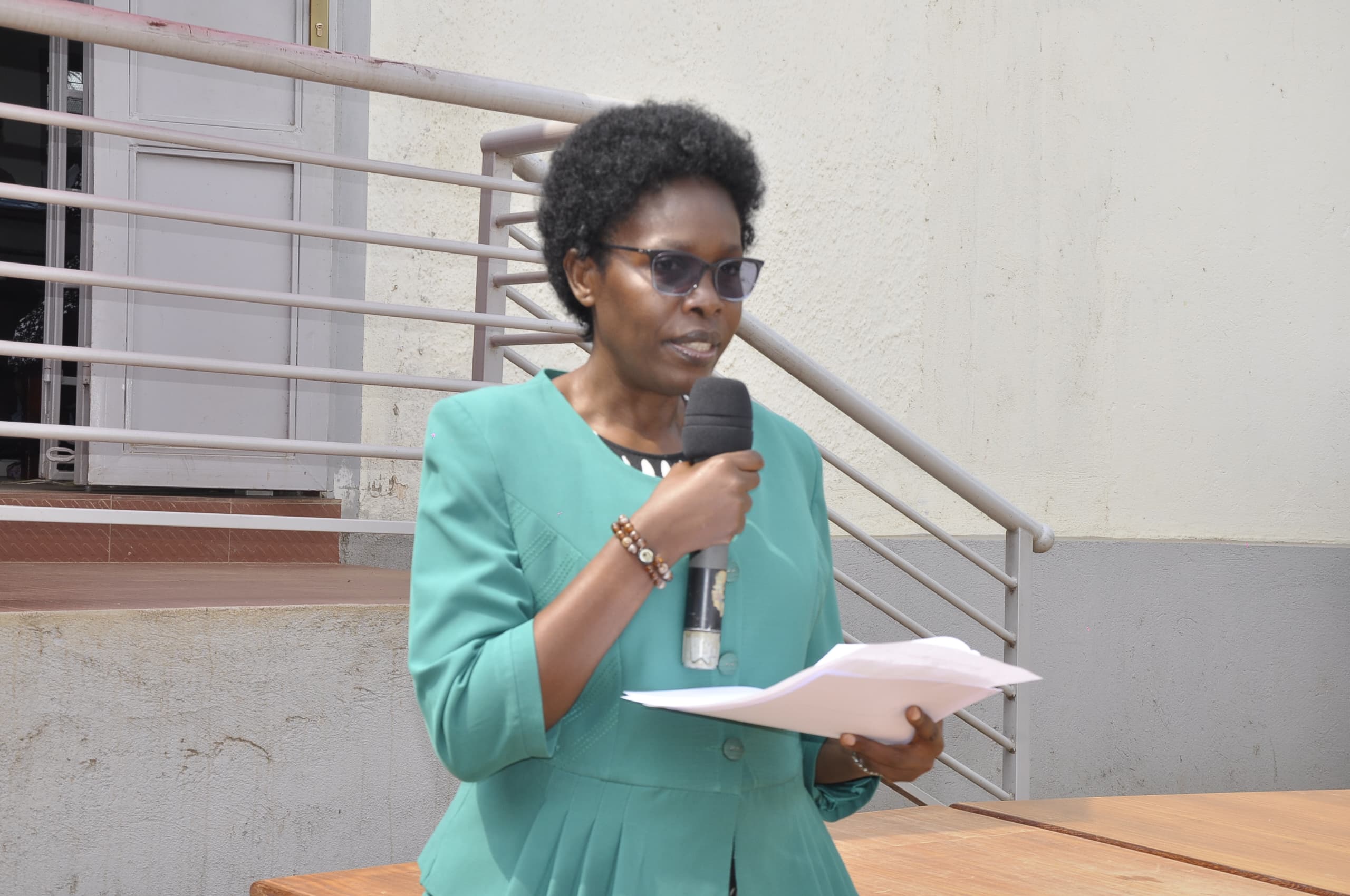
The titles were handed over by Hon. Judith Nabakooba, Minister of Lands, Housing and Urban Development, during a ceremony held on August 4 at the Ministry’s Data Processing Centre in Entebbe, Wakiso District.
“This programme is a promise fulfilled to ensure every Ugandan, especially those in rural and vulnerable communities, can own land legally and securely,” Nabakooba said. “These titles will change lives.”
The latest batch of land titles will benefit 13 districts, with the following allocations: Kikuube (8,728), Kamuli (7,458), Oyam (4,616), Maracha (4,313), Mayuge (3,260), Ntungamo (3,618), Isingiro (2,978), Sheema (2,733), Bukedea (2,787), Serere (1,519), Soroti (1,279), Luuka (642), and Jinja (494).
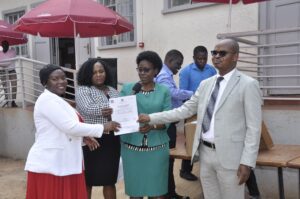
The titles were received by heads of six Ministry Zonal Offices (MZOs) located in Soroti, Jinja, Mbarara, Masindi, Lira, and Arua, who were tasked with immediately delivering the documents to their respective districts.

Each beneficiary is required to pay a government-subsidized fee of UGX 85,000 to collect their land title a significant reduction from the UGX 8 to 10 million it would typically cost to register a single parcel privately.
“This is a lifeline for thousands who would never afford a land title on their own,” Nabakooba emphasized. “With these documents, citizens can now access credit, avoid land disputes, and invest confidently in their property.”
The digitalization of land records through the Uganda National Land Information System (UGNLIS) has supported the programme by improving record accuracy and service delivery.
“Digitization has made it possible for us to lower costs and deliver results at scale,” Nabakooba added. “The technology ensures we know who owns what, where, and how.”
The Minister cautioned zonal office staff against delaying the distribution and urged local leaders to support residents in understanding the value of land documentation.
Beneficiaries were also encouraged to use their land productively and protect their titles from theft or manipulation by using UGNLIS to verify their land records, track title status, and stay informed.
Nabakooba noted that titles can serve as a powerful tool for economic transformation and generational security.
“UGNLIS is a tool for every Ugandan. You can walk into a zonal office or check online and know the status of your land,” she said.
The SLAAC programme, funded by the World Bank, is a flagship initiative of the government aimed at resolving land ownership issues, especially in rural and customary landholding communities. The current phase is expected to be completed by September 30, 2025.
Richard Juuko, Undersecretary at the Ministry of Lands, who represented the Permanent Secretary, reaffirmed the ministry’s commitment to meeting the deadline.
“We have had challenges especially with infrastructure and connectivity but our teams have worked tirelessly to ensure people receive what they have waited for, sometimes for generations,” Juuko said.
As the deadline approaches, the government is calling on all stakeholders,’ local leaders, beneficiaries, and zonal office staff to ensure no title is delayed and that every Ugandan who has been mapped under the programme receives what is rightfully theirs.
“This is not just about land. It is about dignity, security, and building livelihoods,” Nabakooba concluded.