
The Government of Uganda has issued a strong warning against fiscal indiscipline and wasteful spending as it begins consultations for the FY 2026/27 national budget, with senior officials promising strict enforcement of efficiency, transparency, and accountability in public spending.
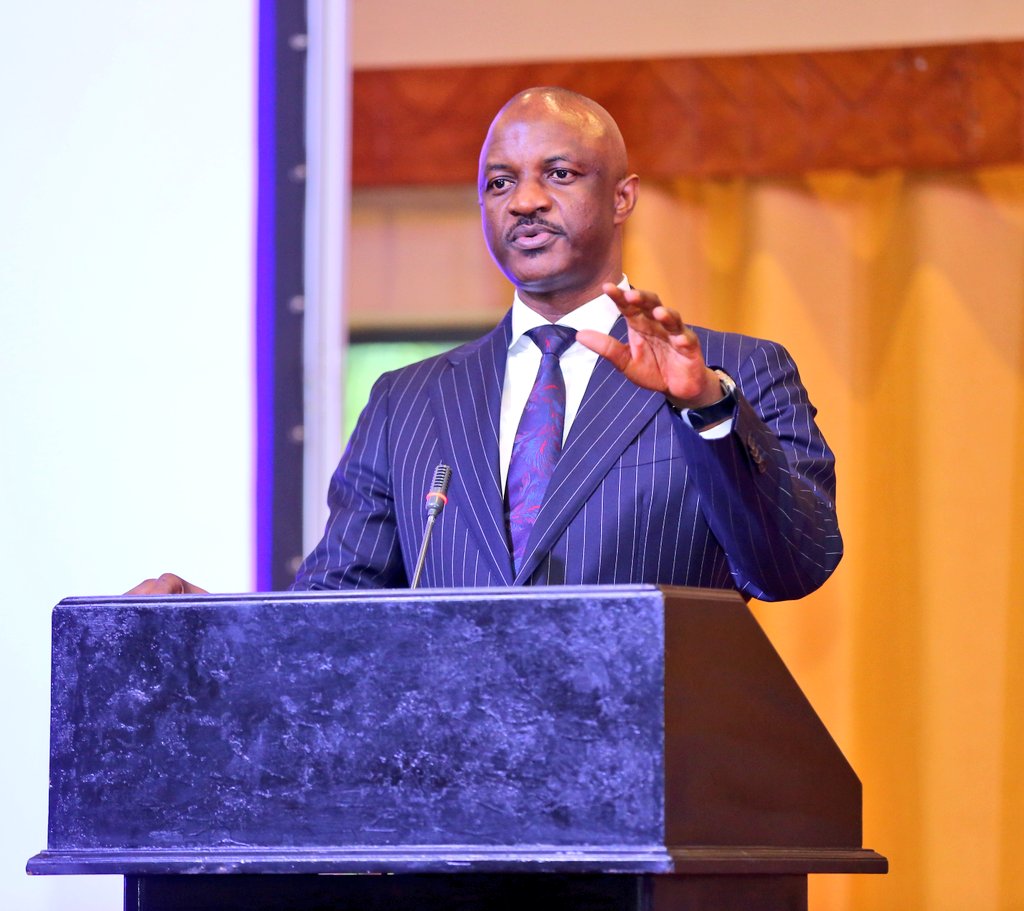
Speaking at the National Budget Conference held at Speke Resort Munyonyo on 11th September, 2025, Permanent Secretary and Secretary to the Treasury (PSST) Ramathan Ggoobi cautioned all Ministries, Departments, Agencies (MDAs) and Local Governments against what he described as “budget games” which are a series of manipulative practices that distort the planning and implementation cycle.
“We have noticed practices like inflating requests, exaggerating crises, over-promising benefits, and using trial projects to mislead. These tricks harm credibility and slow down service delivery,” Ggoobi said. “We have instructed all budget analysts to stop them immediately.”
He stressed that each government entity must prioritize core obligations such as salaries, pensions, utilities, rent, and statutory costs before introducing new projects.
The Ministry of Finance will intensify scrutiny and analysis of all submissions and enforce compliance through the forthcoming First Budget Call Circular, which will include indicative planning figures and operational guidelines for FY 2026/27.
Prime Minister Rt. Hon. Robinah Nabbanja emphasized that the next budget cycle must focus on results-driven planning to fast-track Uganda’s socioeconomic transformation under the Tenfold Growth Strategy, which aims to grow the economy from USD 61.3 billion in FY 2025/26 to USD 500 billion by 2040.
Nabbanja urged ministers and accounting officers to align all plans and budgets with the key growth sectors—Agro-Industrialization, Tourism, Mineral Development, and Science/ICT/Creative Arts.
She also called for efforts to lift the remaining 33% of households out of subsistence farming into the money economy through wealth creation programs such as the Parish Development Model, Emyooga, GROW, and Youth Venture Funds.
“We must lift our people from subsistence to commercial production, strengthen the private sector, expand market access and accelerate industrialization using locally available materials,” Nabbanja emphasized.
As Uganda heads into an election year and prepares to implement a new NRM Manifesto alongside the Fourth National Development Plan (NDP IV), the government aims to restore public trust in the budget by enforcing stricter oversight, improving efficiency, and aligning spending with long-term growth priorities.