
Forty years ago, an HIV diagnosis was considered a death sentence. Today, thanks to advances in treatment, millions of people living with HIV can lead long, healthy lives. Yet, despite remarkable progress, the search for a definitive cure remains difficult to achieve, not due to lack of effort, but because HIV has a unique ability to hide deep within the body.
In Uganda, where approximately 1.5 million people live with HIV, mostly adults aged 15 and above, this complex battle is ongoing. Antiretroviral therapy (ART) has transformed the virus from a fatal disease into a manageable condition. However, while ART suppresses HIV to undetectable levels, it cannot eliminate the virus entirely.
According to Betty Mwesigwa, a clinical researcher at Makerere University, the core challenge lies in HIV’s ability to hide itself in the body’s cells.
“The problem with HIV is that once it gets into the body, it blends itself into the DNA of the body’s cells. The body can live with it there, without clearing it out,” Mwesigwa explained. “It hides in places where the immune system cannot find it. The moment treatment stops, the virus wakes up and starts reproducing again.”
These hiding spots, called viral reservoirs, are scattered throughout the body, often in tissues difficult for drugs or the immune system to reach. This biological invisibility is why current treatments can suppress but not cure the infection.
Scientists worldwide are exploring multiple strategies to overcome this barrier. One promising approach, known as ’’shock and kill,’’ aims to “wake up” the dormant virus in these reservoirs so that it becomes visible to the immune system or targeted therapies, which can then eliminate the infected cells. However, safely reactivating the virus without harming healthy cells remains a significant hurdle.
In Uganda, leading institutions like Makerere University and the Joint Clinical Research Centre (JCRC) are deeply involved in advancing these efforts. Researchers worldwide are studying both HIV-positive and HIV-negative individuals to better understand how the virus behaves, what factors might contribute to natural control or eventual clearance, and how to develop effective therapies.
Globally, a few rare cases offer hope. At least nine people have been functionally cured of HIV following bone marrow transplants to treat blood cancers. These donors had a rare genetic mutation that makes their immune cells resistant to HIV infection.
The Executive Director of the Joint Clinical Research Center, Dr Cissy Kityo explained that the patients who were cured of HIV also had blood cancers and received bone marrow transplants from donors with a rare genetic mutation that makes their cells resistant to the virus.
’’Only about 2% of people naturally have cells that resist HIV. Bone marrow transplants are risky and cannot be done for many people, but these cases have encouraged scientists to try copying this resistance using gene therapy,” Dr Kityo said.
Beyond gene therapy, researchers are also exploring other innovative approaches such as therapeutic vaccines, broadly neutralizing antibodies, and new drugs designed to target viral reservoirs.
But the battle against HIV is not only scientific. Stigma, limited access to healthcare, and economic challenges also hamper prevention and treatment efforts in Uganda and across the world. Expanding education, reducing discrimination, and improving healthcare infrastructure remain crucial components of the fight.
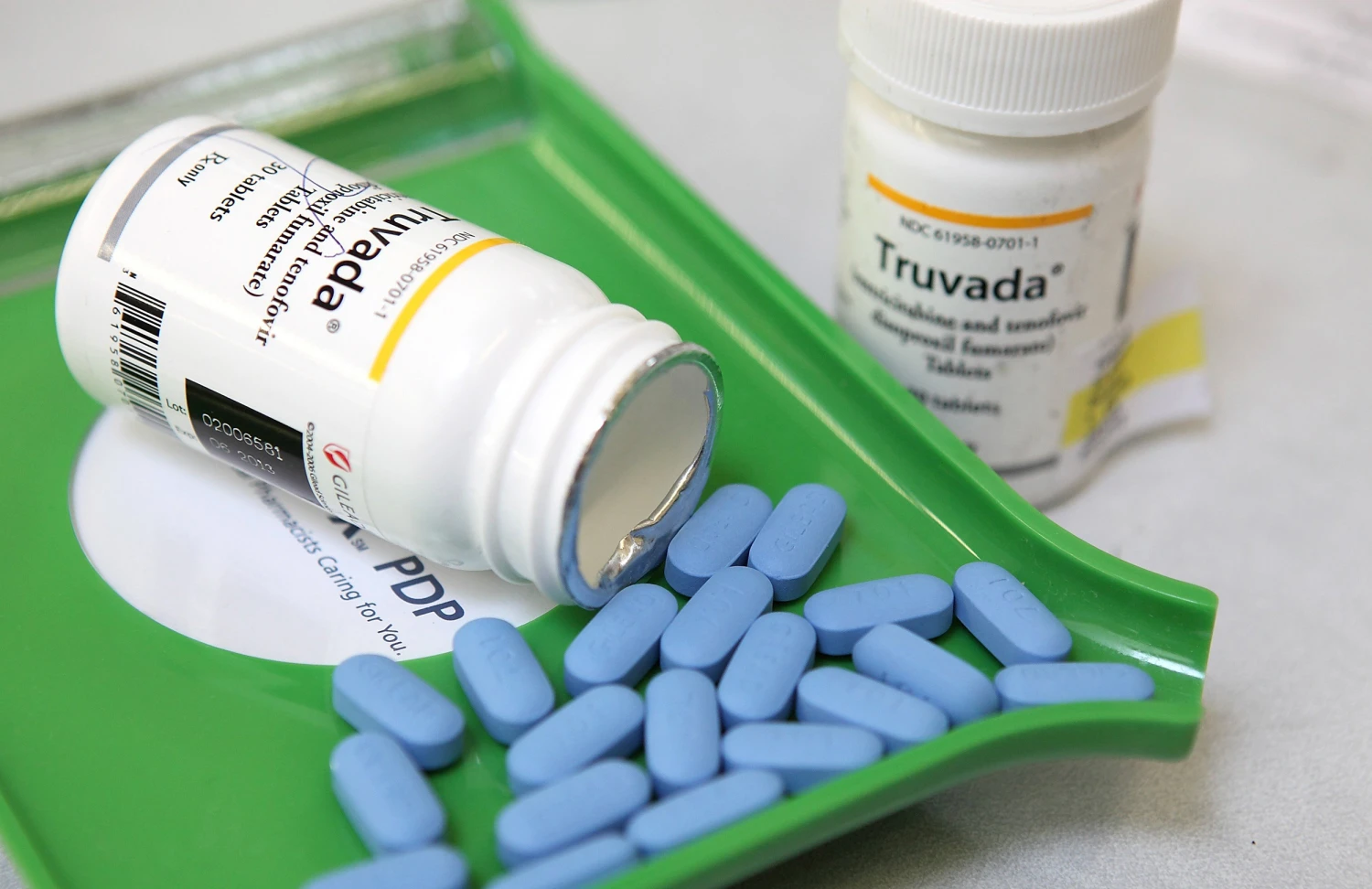
Prevention remains one of the most effective tools to curb new infections. Strategies include the use of Pre-Exposure Prophylaxis (PrEP), condom distribution, harm reduction programs, and preventing mother-to-child transmission during childbirth.
Until a permanent cure is found, the best defense continues to be early diagnosis, consistent use of antiretroviral therapy (ART), and comprehensive prevention measures.
The road to an HIV cure is steep and challenging, but ongoing research in Uganda and around the world continues to push scientific boundaries. With sustained commitment, innovation, and community support, a future without HIV is within reach.