
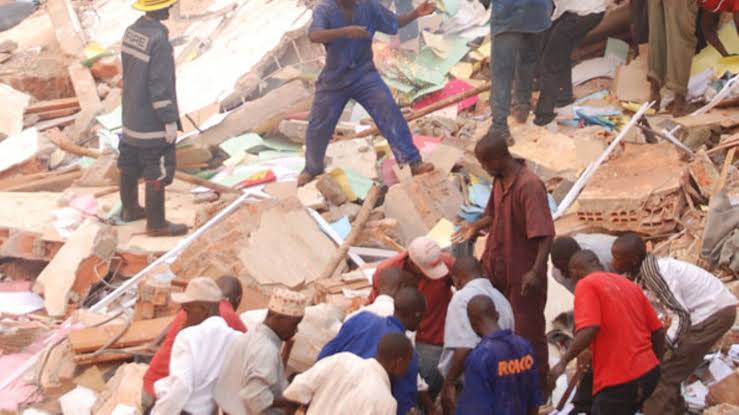
The sight of bulldozers moving through Kyengera this week, clearing homes and shops along the Kampala–Kasese railway line, is undeniably painful.
Watching families scramble to save their mattresses and iron sheets from the rubble is a heavy and painful image to digest.
It is completely natural to feel empathy for those affected. However, this situation brings us face-to-face with a hard reality we must finally talk about. Occupying government land is a high gamble, and it is a gamble that no one wins in the end.
The ongoing eviction drive by the Uganda Railways Corporation (URC) is not a sudden surprise. By law, railway tracks require a 60 metre wide reserve corridor, of 30 metres on each side to keep the public safe and leave room for future projects, like the new Standard Gauge Railway (SGR). Therefore building a home, a shop, a school or a church inside this zone is legally considered trespassing on public property.
Over the years, a risky gamble and habit has grown in Uganda within our communities. People knowingly buy cheap, unauthorized plots on railway lines, road reserves, and wetlands.
The common belief is that when the government eventually needs the land back, it will hand out massive compensation packages to get people to move.
However, this expectation is a dangerous trap since legally, occupying public land for an extended period of time does not grant you ownership. You would be regarded as a trespasser and a thief, and when the time comes for accountability, you cannot claim compensation for your actions. Instead, you must simply apologize and vacate the premises without making any demands.
Economically, using taxpayer money to compensate individuals for occupying public property is simply not fair to the rest of the country as it encourages illegal shortcuts and punishes law abiding citizens who work hard to buy legitimate, titled land.
According to the URC, residents along these tracks were given a four year warning starting in 2022. A grace period like that is meant to give families time to pack up and relocate peacefully, it is not an invitation to wait for a government payout for something you occupied illegally.
As these evictions expand across the country over the next two months, the lesson needs to be clear for everyone. Whether it is a railway line, a highway reserve, or a protected wetland, public land belongs to all Ugandans.
We can’t demand a well modernized country with better transport and infrastructure. While we occupy public land. And yet progress requires us to follow the rules.
The scenes in Kyengera are deeply unfortunate, but they serve as a vital warning, do not build on government land, because when the state comes to reclaim it, you will lose everything you invested.