

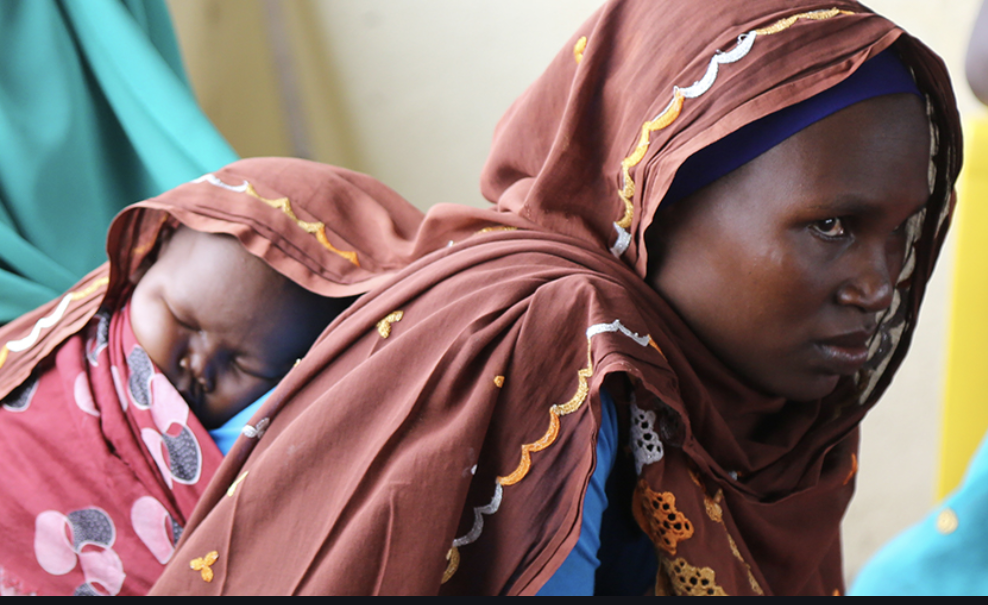
In many rural parts of Uganda, childbirth is not always the joyful celebration it should be. For thousands of women, it becomes the beginning of lifelong pain, isolation, and rejection caused by a preventable condition known as obstetric fistula.
Obstetric fistula is a devastating childbirth injury that occurs when prolonged or obstructed labour creates a tear between the birth canal and the bladder or rectum. This leaves women leaking urine or stool continuously. The result is not only physical suffering but also deep emotional trauma, made worse by the shame and silence that often surround the condition.
Uganda bears one of the highest burdens of obstetric fistula in the world. It is estimated that between 140,000 to 200,000 women are currently living with the condition. Each year, around 1,900 new cases are reported, yet fewer than 3% of affected women receive treatment, according to the Ministry of Health.
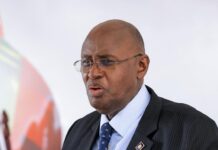
“Most of these girls are married off too early. Their bodies are not ready for childbirth. They suffer for days in labour at home, and by the time they reach a health facility, the damage is already done,” Minister of Health, Dr Jane Ruth Aceng said.
Child marriage and teenage pregnancy remain key drivers of obstetric fistula in Uganda.
According to the Uganda Demographic and Health Survey (2022), 24% of girls aged 15–19 are either pregnant or have already given birth.
With immature pelvic bones and poor nutrition, these girls face a high risk of obstructed labour, particularly in communities lacking access to emergency obstetric care.
Globally, obstetric fistula has been virtually eliminated in high-income countries, thanks to accessible maternal healthcare and early intervention.
In contrast, Uganda continues to grapple with this crisis due to poverty, harmful cultural practices, and limited emergency obstetric services.
Organizations like UNFPA, Amref Health Africa, and Terrewode Women’s Community Hospital in Soroti have stepped in to fill the gap. They provide fistula repair surgeries, health worker training, and community sensitization programs.
Between September and December 2024, UNFPA-supported surgical camps treated 115 women under the Stop Fistula Project; a small fraction of the national need.
At Terrewode Women’s Community Hospital (TWCH) in Soroti, healing extends beyond the operating room. The center offers counselling, literacy, and vocational training, helping survivors rebuild their lives and reintegrate into their communities. Since its inception, the facility has supported over 4,000 women.
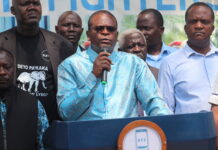
“We must scale up emergency obstetric care, train more fistula surgeons, and integrate these services in every regional hospital,” Dr Bahatungire Ronny, Acting Commissioner for Clinical Services at the Ministry of Health says.
According to him, every time a girl dies or is damaged giving birth, it’s not just a health issue, it’s a national failure.
“We must end child marriage. We must empower girls with education and reproductive health services. And we must treat the women already suffering. No woman should live in shame for giving life,” Dr Bahatungire adds.
Subsequently, in order to meet the Sustainable Development Goals of reducing maternal mortality and eliminating obstetric fistula by 2030, Uganda must adopt a multi-sectoral approach, one that combines policy reform, community education, reproductive rights, and expanded healthcare access.
Obstetric fistula may be hidden, but it is not inevitable.
With political will, adequate funding, and community commitment, Uganda can end the stigma, alleviate the suffering, and break the silence for good.