
Parliament has approved a supplementary budget worth Shs 8.104 trillion, one of the largest mid-year revisions since the 2015 amendment of the Public Finance Management Act (PFMA).
According to the House, the additional funding is intended to support national priority projects, keep key government programmes running, and prepare essential sectors for upcoming activities.
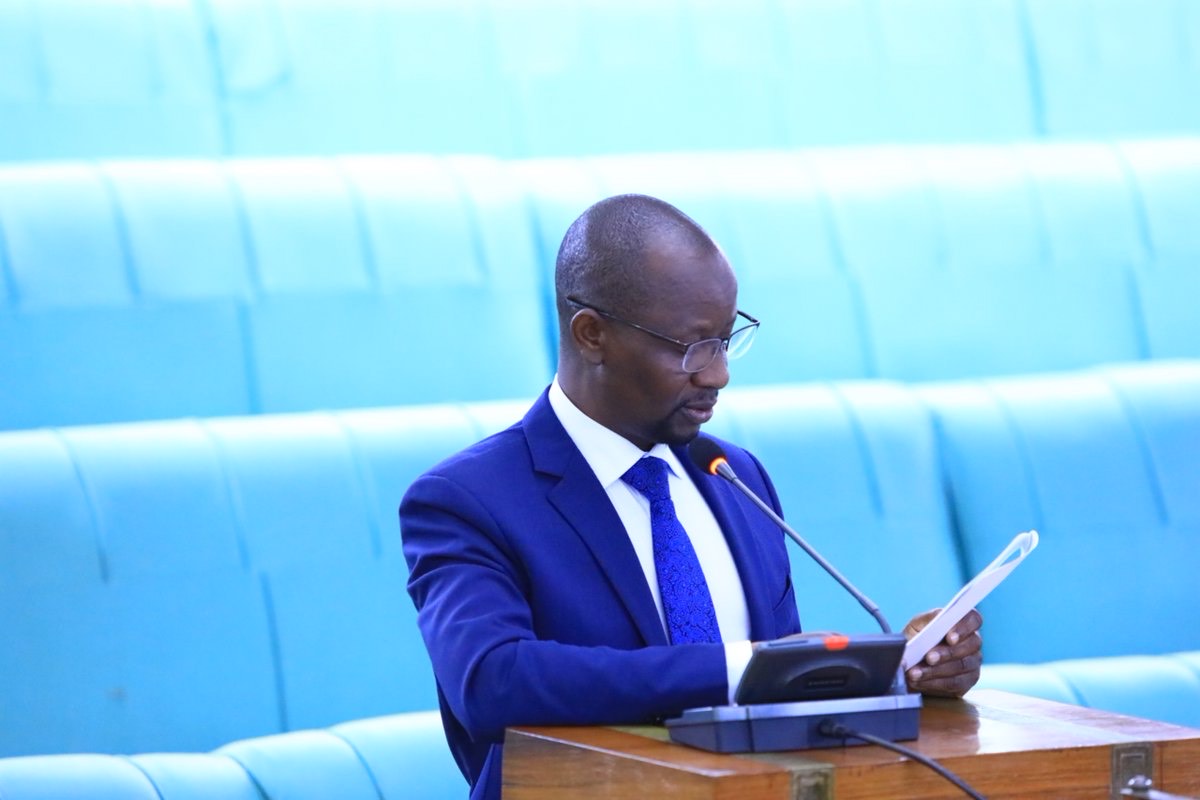
The supplementary budget was presented in three schedules by Budget Committee Chairperson Patrick Isiagi Opolot with Schedule 1 at Shs 1.652 trillion, Schedule 2: Shs 1.696 trillion, largely for the Ministry of Works and Transport to finance road construction, bridge works, and the procurement of additional aircraft for Uganda Airlines and Schedule 3: Shs 4.756 trillion, with the bulk allocated to the Electoral Commission (EC).
However, despite its approval, the process drew strong criticism from sections of the Opposition. Kira Municipality MP Ibrahim Ssemujju Nganda, presenting a minority report, accused the government of poor planning and violating the PFMA by repeatedly resorting to large supplementary requests.
“Ugandans deserve planning, not improvisation. They deserve fairness, not favoritism. We refuse to endorse waste, political convenience, or poor planning,” Semujju stated.
He warned that the increasing dependence on supplementary budgets could worsen Uganda’s debt burden, noting that the original budget already involved borrowing Shs 32 trillion.
Minister of State for Finance, Henry Musasizi defended the supplementary funds arguing that they were necessary to sustain ongoing programmes.
He rejected claims that some allocations were politically motivated ahead of the 2026 elections.
“This is a programme that was there before the campaigns. It is the programme that is seeking to remodel the Youth Livelihood Programme. To insinuate that this is money to mobilize NRM youths is completely not true,” Musasizi said.
With this approval, Uganda’s national budget for the 2025/2026 financial year now rises to over Shs 80 trillion. While the government says the move reinforces investment in infrastructure, governance, and strategic development, the debate over fiscal discipline, transparency, and long-term planning is expected to continue.