


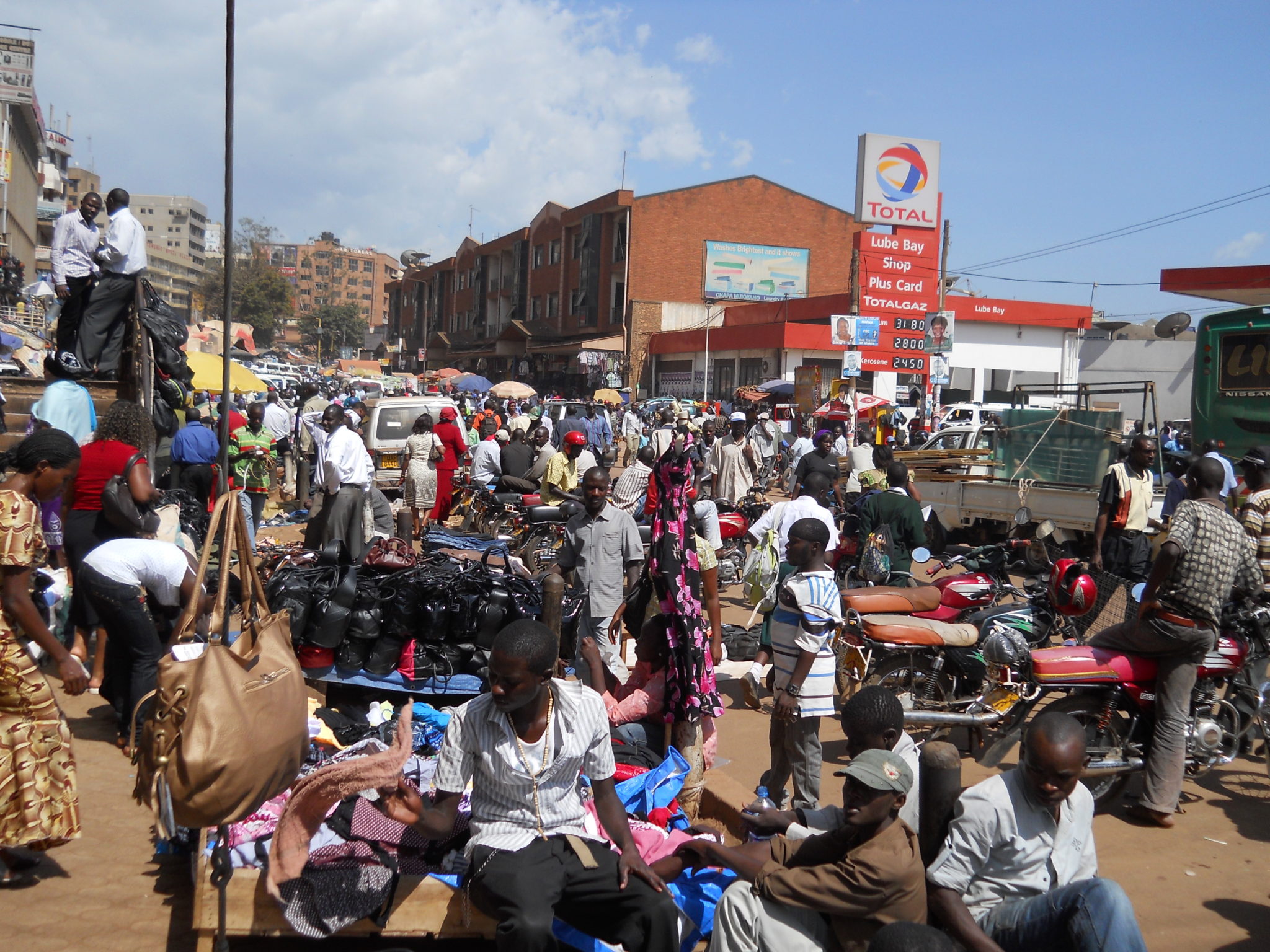
Traders in Kampala have called for order and fairness in the city’s business environment, urging authorities to relocate street vendors to designated spaces while safeguarding livelihoods.
Speaking during a discussion on a local broadcast on February 19th, 2026, Abel Mwesigye, the Chief Executive Officer of the Kampala City Traders Association (KACITA), said that traders under the association are in support of structured trade.
“As KACITA, we’ve always advocated for street vendors to get relocated to designated places. We are calling for the support of all businessmen carrying out legal business in Kampala,” he said.
Mwesigye also stressed the need for transport operators to respect gazetted areas.
“We also want to see taxis being allocated to taxi parks and boda-bodas getting into designated stages and not camping in front of our shops,” he noted.
He emphasized that traders are not against vendors and called for traders to utilize market space since the existing one has remained underutilized.
“As KACITA, we aren’t saying that the street vendors should be tormented. The fact is that the marketplaces are the best business incubation centres,” Mwesigye said.
However, Patrick Kiconco Katabazi, a Senior Economist, urged leaders to consider the human impact of enforcement.
“Well, the street vendors cause congestion and disrupt formal businesses, but they form a basis for many livelihoods for many families,” he said.
He questioned how authorities would protect those incomes.
“How do we ensure that the livelihoods relying on street vendors survive? For me, that’s an important debate,” Katabazi added.
Katabazi explained that it is rural-urban migration that fuels informal trade.
“People leave villages and come to the city to make money… That’s how people resort to ventures like street vending,” he noted.
He acknowledged government efforts but called for clarity.
“Has Kampala identified all these informal businesses and come up with a collective and concrete plan?” Katabazi asked.
John Matovu, a prominent businessman, called on the government to do sensitization and gazette places that favor vendors’ and hawkers’ businesses.
“The government should sensitize and engage the vendors on the gazetted places they are meant to occupy. However, it should be a process, thereby giving them time to prepare to relocate and those that got goods on credit to clear them,” he said.
Jane Kawino, a trader in Kikuubo, however, noted that the vendors block customers from accessing their shops, causing them losses.
“We pay huge taxes, rent, water tariffs, and rubbish collection charges, yet when customers come, they buy from traders who are selling on streets and in front of our shops, and at the end of the day, no sales are made,” she noted.
The debate follows the Minister of Kampala and Metropolitan Affairs, Hajjat Minsa Kabanda’s directive to vendors issued on February 5th, 2026, giving them a two-week ultimatum to vacate Kampala streets, threatening strict enforcement to happen after the grace period that ended on February 19th, 2026, to decongest the city.