
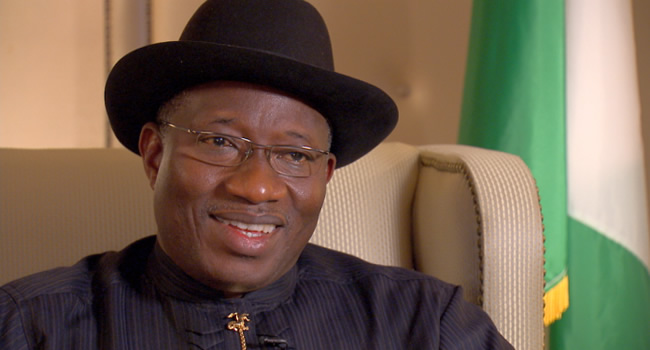
Nigeria’s political landscape may soon face a crucial crossroads as former President Goodluck Ebele Jonathan reportedly considers a return to the presidential race in 2027.
His potential comeback has sparked a fierce debate over the future direction of Nigerian leadership between the pull of experienced veterans and the rising demand for youthful change.
Multiple sources within the People’s Democratic Party (PDP) confirm that Jonathan has agreed in principle to contest the 2027 elections, pending further consultations.
This development comes amid growing frustration over Nigeria’s deepening economic struggles, soaring inflation, and persistent insecurity factors that many Nigerians believe require steady hands at the helm.
But while Jonathan’s supporters hail him as a unifying figure with a proven track record of peaceful transitions and diplomatic credibility, critics warn that his return could stall the political ambitions of younger leaders eager to bring fresh ideas and energy to the country.
“There is a real tension in Nigerian politics today,” Baba Jalo, a political analyst from Kaduna, revealed.
“On one side stands the seasoned old guard, experienced but often perceived as disconnected from the realities of today’s youth. On the other, a dynamic and vocal younger generation clamoring for accountability, fresh ideas, and a decisive departure from outdated practices.”
Jonathan served as president from 2010 to 2015 and is widely respected for overseeing Nigeria’s first peaceful democratic handover in decades. His candidacy is being positioned by PDP elders as a national unity project, a bridge to stabilize the country before ushering in a new generation of leaders.
Yet many young Nigerians question whether returning to past leadership models is the right path forward.
“We want progress, not a repeat,” Amina Yusuf, a youth activist in Lagos, said. “The future belongs to us, but it feels like the old guards keep taking center stage.”
Within the PDP, the debate is equally heated. Some party leaders view Jonathan’s return as necessary to unify a fractured opposition and boost electoral chances. Others worry it risks alienating younger aspirants and undermining efforts to reform the party from within.
The question looming over Nigeria’s 2027 race is clear: Can the country balance the wisdom of experience with the urgency of youth-led change?
Jonathan has yet to issue a formal statement, but his potential candidacy has already ignited a conversation about what kind of leadership Nigeria truly needs in the years ahead.