


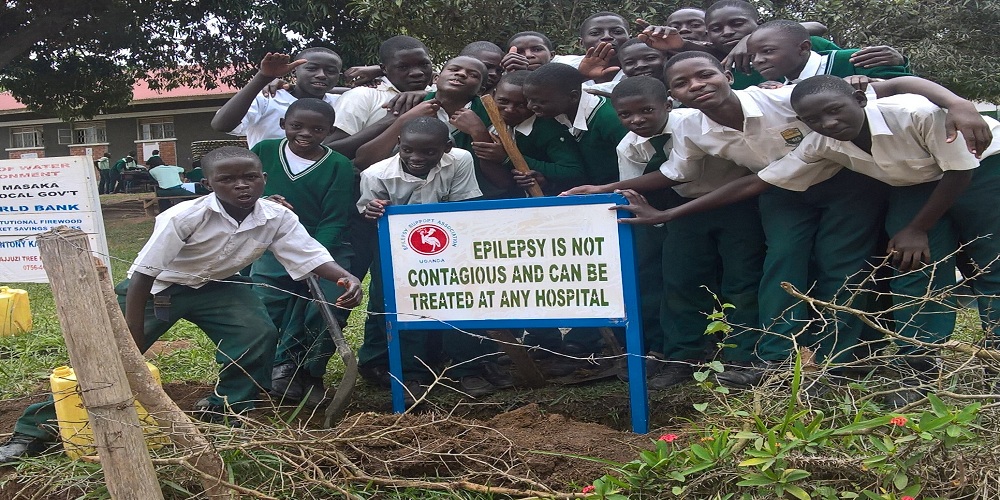
Epilepsy is more than just a medical diagnosis. It is a deeply personal and often misunderstood struggle for those who live with it.
Defined as a neurological disorder characterized by recurrent seizures caused by abnormal electrical activity in the brain, epilepsy affects people of all ages and backgrounds, often beginning in childhood.
According to the World Health Organization, over 50 million people worldwide live with epilepsy.
In Uganda, it is estimated that 1 in 200 people are affected by the condition yet stigma, limited access to care, and misinformation remain major barriers to proper treatment.
Dr Nnunda Ezra Kibirango, a physician at Mengo Hospital, explains that epilepsy directly affects the brain and causes seizures that vary in intensity and frequency.
“Patients with epilepsy need to be treated with maximum care and empathy,” he emphasizes.
“It’s not just about the physical symptoms, the condition impacts emotional and social well-being too.”
Seizures, she says can be generalized, affecting the whole brain and often leading to convulsions or loss of consciousness, or focal, which affect only part of the brain and may cause unusual behavior or sensations.
Diagnosis typically involves medical imaging and an EEG (electroencephalogram) to detect abnormal brain activity.
Sofie Nabukenya, a fashion designer living with epilepsy, recalls how her journey began in Primary Five when she started experiencing seizures.
“People feared me. They thought I was cursed or contagious,” she shares.
“But things began to improve when I started medication. The seizures reduced, and I was able to go back to school and continue my life.”
Cultural stigma around epilepsy remains widespread in Uganda, where some still believe the condition is caused by witchcraft or that it’s contagious.
These myths contribute to discrimination in schools, workplaces, and even families deepening the isolation people with epilepsy often face.
Prof Angelina Kakooza, a child neurologist, stresses that epilepsy requires lifelong management. She also discredits harmful and dangerous practices surrounding seizure first aid.
“In the event of a seizure, the person should be placed in an open space,” she advises.
Sarah Nekesa, Executive Director of the Epilepsy Support Association of Uganda (ESAU), is leading efforts to raise public awareness and support for people living with epilepsy.
“If you have epilepsy, your drugs become your daily meal,” she says.
“Once you stop taking them, the seizures return stronger and more frequently.”
Uganda requires a multi-pronged approach which includes increasing public awareness to dispel harmful myths, ensuring access to quality medical care, and dismantling the social stigma that continues to surround the condition.
Strengthening the healthcare system through training more health professionals in epilepsy management, guaranteeing consistent availability of essential medications, and empowering communities with accurate information and support services.
These steps, collectively, offer hope for a future where people living with epilepsy are understood, supported, and able to live with dignity and confidence.
Despite its challenges, epilepsy is manageable with proper knowledge, medication, and a supportive environment, those living with the condition can lead full, productive lives.
As the statistics and testimonies reveal, epilepsy is not a curse, but a condition that calls for understanding, empathy, and sustained care.