


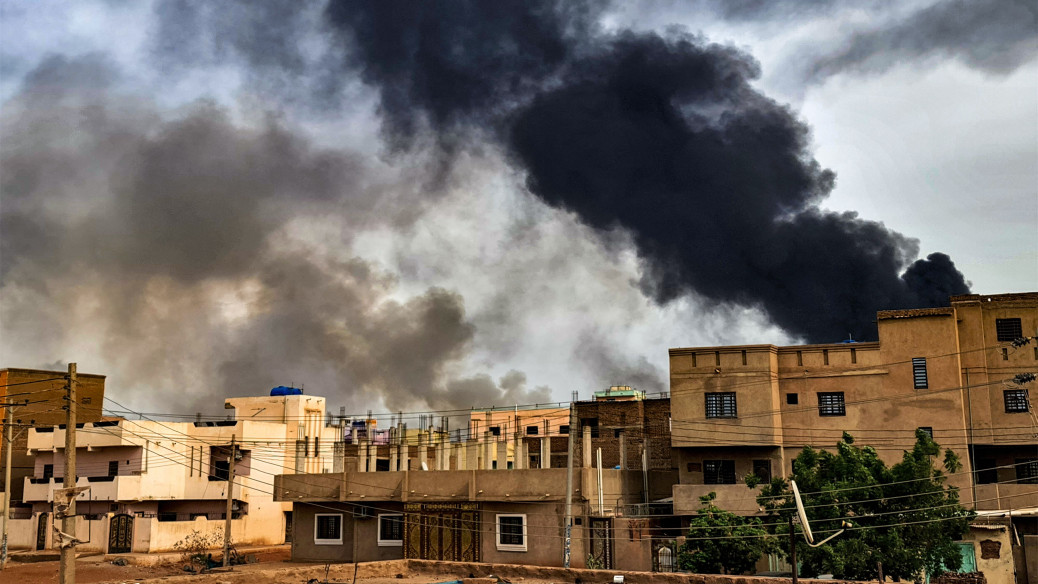
At least 23 people were killed and several others injured after a series of overnight drone strikes targeted Sudan’s central city of el-Obeid on Thursday that overnight, according to local rights monitors and medical officials.
The attacks struck residential neighbourhoods, a funeral gathering and a truck transporting food supply in the strategic city located in the Kordofan region, highlighting the growing use of drone warfare in Sudan’s prolonged conflict.
The rights organisation Emergency Lawyers reported that 23 people lost their lives while 19 others sustained injuries. Health officials at el-Obeid Hospital provided a lower death toll, saying at least 15 people had been killed and more than 10 wounded.
Emergency Lawyers accused the paramilitary Rapid Support Forces (RSF) of carrying out the strikes, although the group had not publicly claimed responsibility. Independent verification of the allegations was not immediately possible.
The latest incident comes days after another deadly drone attack struck a market in Abu Zaeima in North Kordofan State, killing at least 11 people and injuring dozens more.
Drone attacks have become increasingly common as fighting between the Sudanese Armed Forces and the RSF enters its fourth year. The conflict, which erupted in April 2023, has devastated large parts of the country and triggered one of the world’s worst humanitarian crises.
According to the United Nations, at least 880 civilians were killed in drone strikes across Sudan between January and April this year alone.
Military operations have intensified across the Kordofan region and Blue Nile State in recent months. Analysts say the region remains strategically important because it connects RSF-controlled territories in Darfur with government-held areas in eastern Sudan.
El-Obeid, a major commercial and transport hub, has been under increasing pressure as paramilitary forces continue to tighten their presence around the city.
The war has already claimed tens of thousands of lives and displaced nearly 13 million people. Humanitarian agencies warn that millions more are facing severe hunger, worsening living conditions and limited access to essential services as violence continues across the country.