
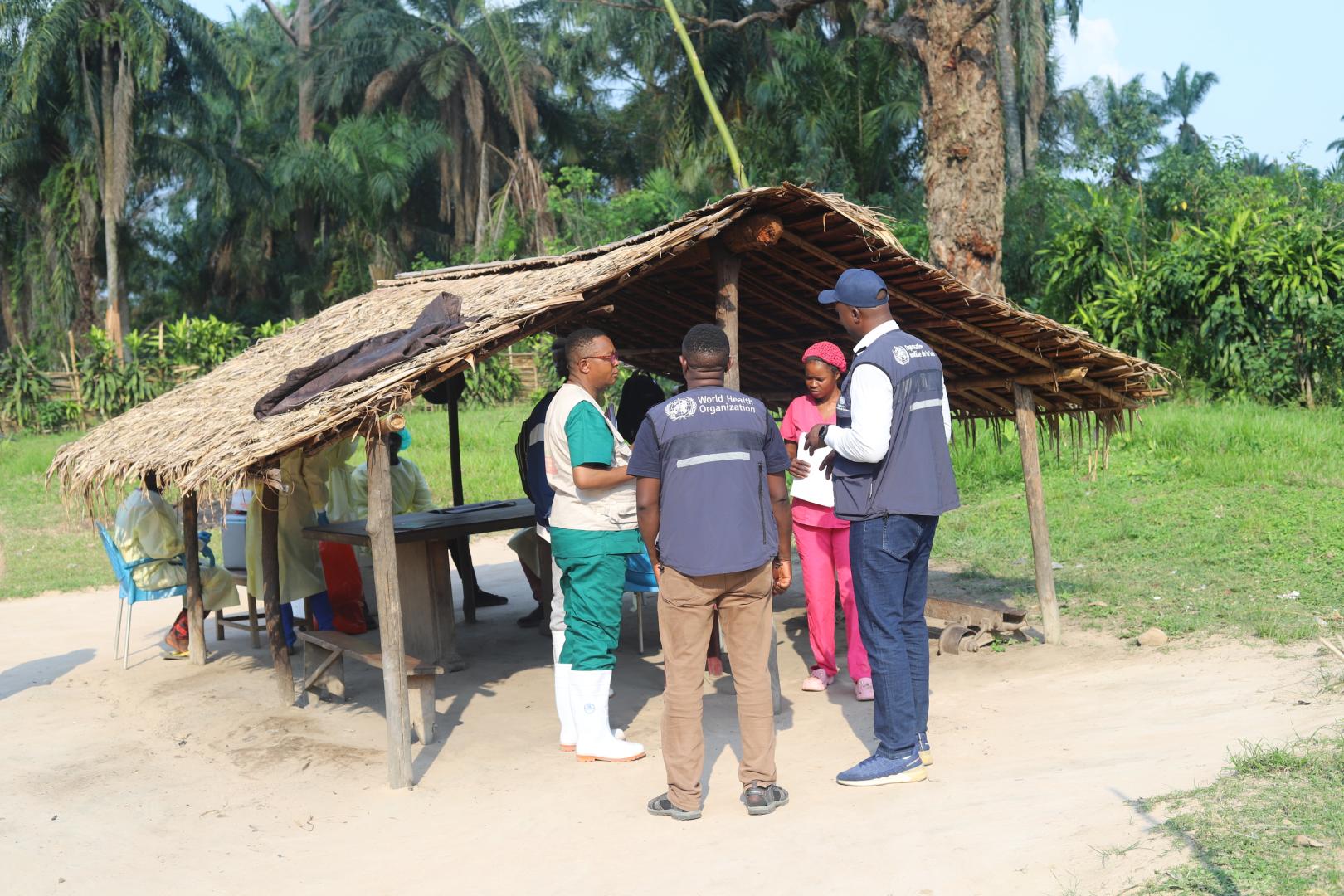
The World Health Organization (WHO) has confirmed that efforts to contain the Ebola outbreak in the Democratic Republic of Congo (DRC) have produced promising results, with no new cases reported since September 30, 2025.
The outbreak, centered in the Bulape Health Zone of Kasai Province, showed a steady decline in new infections over recent weeks. In the week ending September 28, only seven new cases were reported, down from 11 the previous week. Since the outbreak began, there have been 64 confirmed cases and 42 deaths.
Dr Mohamed Janabi, WHO Regional Director for Africa, described the progress as encouraging but cautioned against complacency.
“Every day without a case and every recovered patient brings us closer to ending the outbreak. We must sustain and intensify life-saving measures to ensure this progress continues,” he said.
This positive trend follows a significantly scaled-up response, including strengthened disease surveillance where over 97% of identified contacts are being closely monitored. Community alerts are being rapidly investigated, and the main treatment center in Bulape has been expanded to accommodate 44 patients.
Vaccination campaigns have protected more than 8,000 frontline workers, contacts, and their families, with plans underway to administer 18,000 additional vaccine doses across 19 high-risk localities within Bulape.
WHO is working closely with the DRC government, Africa CDC, UNICEF, ALIMA, Médecins Sans Frontières, and the Red Cross to ensure the response remains effective.
Despite these encouraging signs, health officials stress that the situation remains fragile. A newly launched Regional Strategic Plan, seeking approximately US$66.6 million, aims to fund the final stages of the outbreak response and strengthen long-term health systems, including laboratories, cold chains, and sanitation infrastructure.
The containment of the outbreak in the DRC also strengthens regional health security, benefiting neighboring countries such as Uganda.