

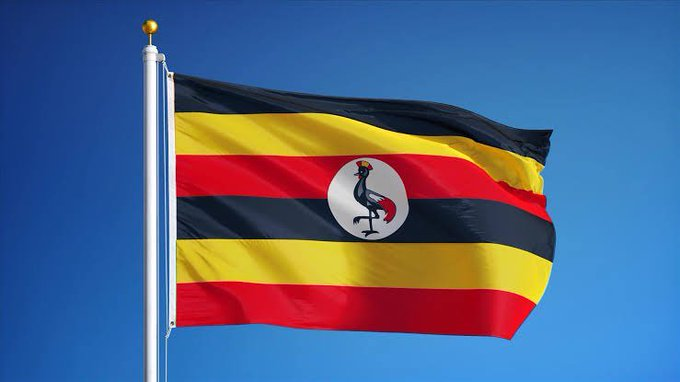
On 9th October 1962, Uganda proudly stepped onto the world stage as an independent nation, leaving behind decades of British colonial rule. That historic day marked not just the end of the protectorate but the beginning of Uganda’s long and challenging journey toward self-governance, peace, and development.
The people of Uganda, together with their leaders, embraced the promise of freedom. Milton Obote, the country’s first Prime Minister, took the helm, guiding a young nation with hopes for unity, progress, and stability.
Independence was achieved after years of colonial rule, as Ugandans sought the right to govern themselves and shape their own destiny. But the path forward was far from smooth.
In 1966, political tensions led Obote to suspend the constitution and declare himself president, sparking trouble that would alter the nation’s path.
The crisis set the stage for the 1971 military coup, bringing Idi Amin to power. Amin’s eight-year rule was marked by fear, brutality, and economic collapse, leaving deep scars on the nation. Yet, the spirit and resilience of Ugandans endured.
In 1980, Obote returned to power, but conflict and instability continued, challenged by rebel movements and political unrest.
Then in 1986, Yoweri Museveni assumed leadership, promising to restore stability, foster unity, and spearhead development. Under his guidance, Uganda embarked on a path of significant transformation.
Museveni ended years of violent conflict, including the brutal insurgency by the Lord’s Resistance Army in northern Uganda, bringing relative calm to previously war-torn regions.
Agriculture, trade, and the discovery of oil fueled steady economic growth, while investments in roads, electricity, and communication networks connected communities and boosted business opportunities.
Universal primary education expanded access to schooling, raising literacy rates, and public health initiatives reduced HIV/AIDS infection rates while improving healthcare services.
The 1995 constitution laid the foundation for multiparty elections and greater respect for human rights, strengthening the country’s democratic framework despite ongoing challenges.
Uganda has also contributed troops to peacekeeping missions in neighboring countries, helping maintain stability across the region. Our country’s history reflects the resilience, courage, and determination of its people.
Despite periods of political difficulties and leadership struggles, Ugandans have continually worked toward a brighter, more stable future.
Today, Uganda stands proud of its heritage, resilient in the face of adversity, and focused on development, unity, and progress.
As Uganda marks 63 years of independence, the nation continues to build on the strength and resilience that have defined its journey. Through challenges and achievements, Ugandans remain united in purpose, striving for peace, progress, and prosperity. The story of Uganda is one of endurance, pride, and hope, a living reminder of the motto, “For God and My Country.”