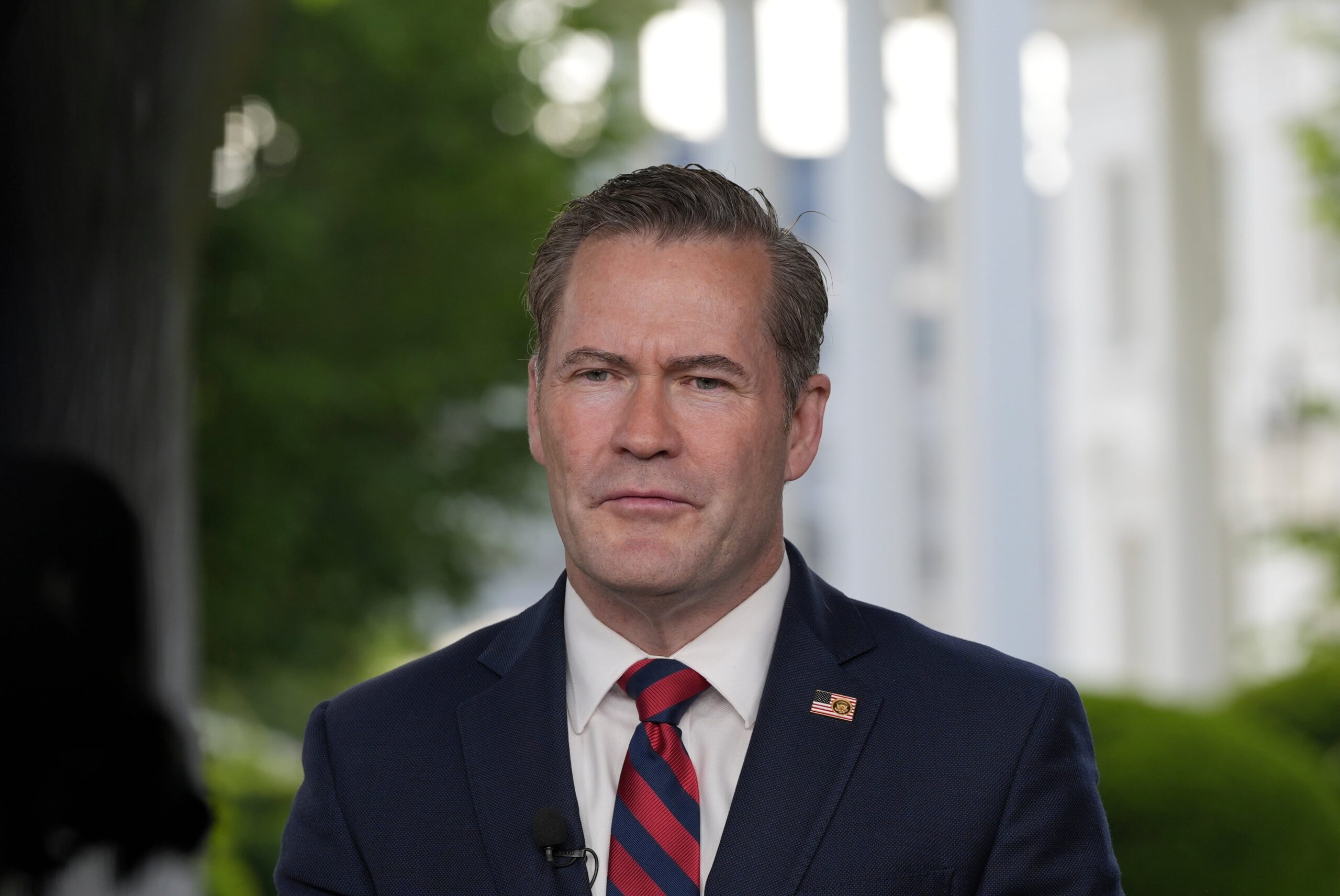
Ambassador Michael Waltz, the U.S Representative to the United Nations, has introduced the “Trade Over Aid” initiative at the New York Stock Exchange, alongside senior U.S officials and international partners.
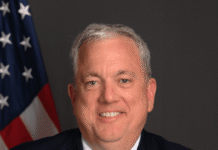
The initiative, launched with U.S ECOSOC Representative Ambassador Dan Negrea and representatives from the Departments of Commerce and State as well as the Development Finance Corporation (DFC) on April 27th, 2026, is designed to shift the focus of development efforts away from traditional aid and towards private sector engagement, trade, investment, and free-market strategies aimed at fostering long-term economic independence.
“This is what is possible when the UN does what it was meant to do. It can bring nations together to solve real problems peacefully, pragmatically, and in partnership with those who can actually deliver results like the booming private sector,” Waltz said.
The program includes a Declaration of Principles that highlights national sovereignty and shared economic gains. It seeks to promote business partnerships and support conditions that attract investment across different regions, initially focusing on the Western Hemisphere.
More than 60 delegates representing 30 UN Member States attended the launch, including officials from Albania, Argentina, Chile, the Czech Republic, Israel, Kenya, the Philippines, Qatar, Saudi Arabia, Singapore, Uganda, and Uzbekistan.
Senior participants also included representatives from UNDP, UNICEF, the World Bank, Goldman Sachs, J.P. Morgan, Google, and other major institutions.
Waltz emphasized that although the United States continues to be the largest provider of humanitarian assistance globally, the current development model requires change.
“Depending on government aid for development is simply unsustainable,” he said, criticizing past approaches for fostering dependency rather than durable economic growth.
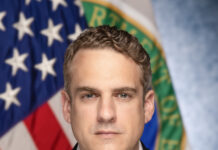
The event also featured panel discussions led by Ambassador Dan Negrea and Assistant Secretary Caleb Orr, focusing on practical measures to reduce barriers to capital, increase foreign direct investment, and support job creation.