

The United States (U.S.) has told its European partners that it is making the Committee on Foreign Investment in the United States (CFIUS) more accessible through earlier consultations and clearer guidance, while keeping national security at the centre of its work.
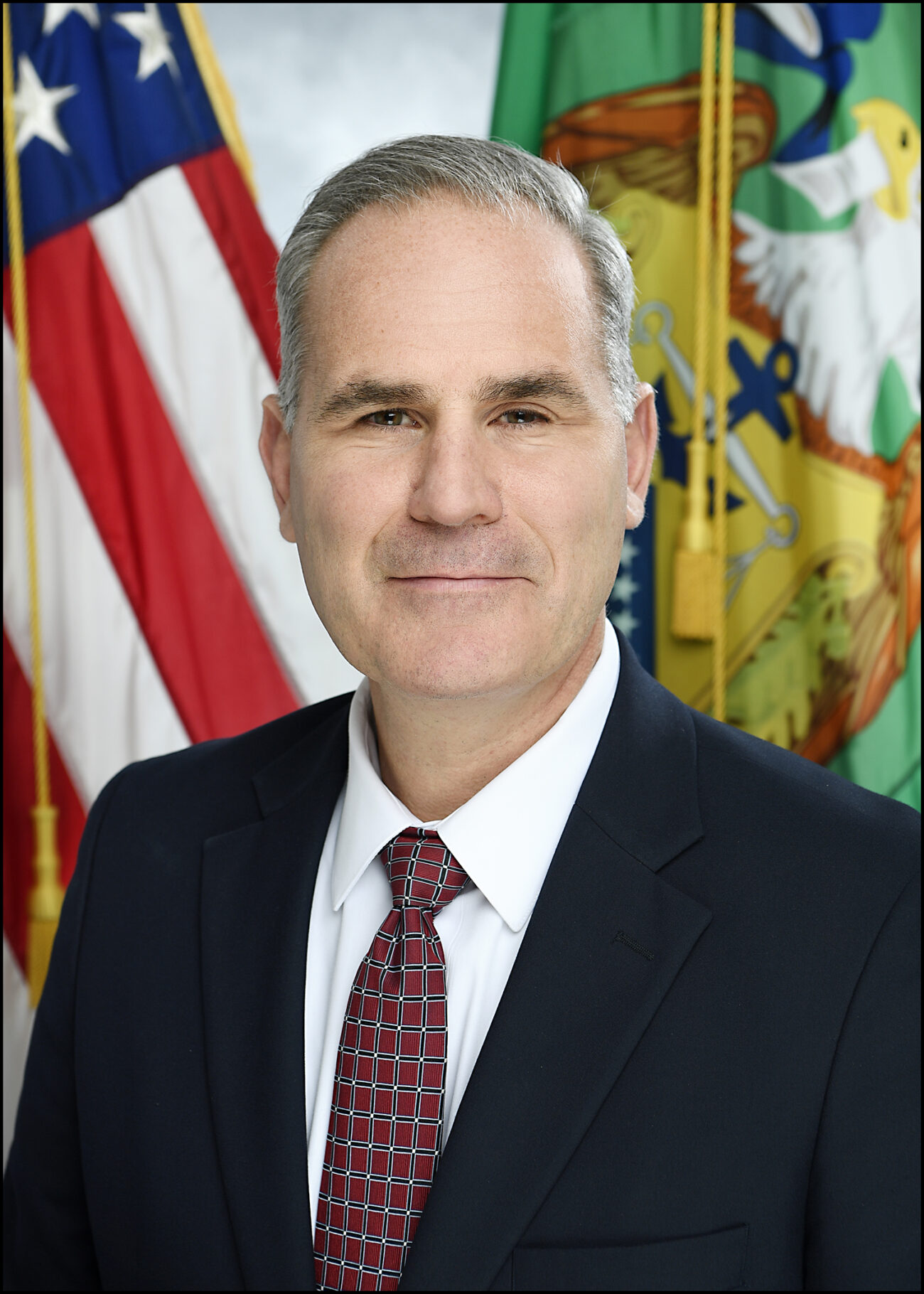
Speaking to journalists at a virtual press briefing from the Brussels Hub on Tuesday, October 13th, 2026, the Assistant Secretary for Investment Security, Chris Pilkerton said he had spent several days in Brussels meeting the U.S. ambassador to NATO, the European Commission, member states, lawyers and BusinessEurope.
Pilkerton, who leads CFIUS, said the committee, which has been operating for 50 years and is chaired by Treasury Secretary Scott Bessent, reviews foreign investments that could raise national security concerns. Although most filings are voluntary, some are mandatory. He added that the administration’s message that America is open for business had prompted CFIUS to make its processes easier to understand while maintaining statutory confidentiality and continuing to work with intelligence and law enforcement agencies.
“Because it’s been clear that America is open for business, we are seeking to do as much engagement as possible with countries, with investors, and with companies to explain our process, and we’re doing so in a very transparent way,” Pilkerton said.
He noted that CFIUS had launched a new website featuring a pre-filing consultation page where parties can submit anonymised information and speak with a case officer while a deal is still under negotiation. The website also outlines common risks and established tools for addressing them. Meanwhile, a Known Investor Program for frequent filers is being tested and is expected to launch early next year, following more extensive due-diligence checks.
Pilkerton outlined four priorities: protecting national security, encouraging legitimate investment, working with allies under the 2018 FIRRMA (Foreign Investment Risk Review Modernization Act) law, and preparing for emerging technology risks through the Investment Security Technology Initiative. He stressed that national security would remain the guiding principle even as the office sought to respond more effectively to investors and businesses.
“National security will always be the north star of the CFIUS program, but when I took on this role he \(Secretary Bessent\) asked me to also focus on customer service,” Pilkerton noted.
He also discussed the outbound investment program, which covers investments in artificial intelligence, quantum technology and semiconductors in China. He said the COINS (Comprehensive Outbound Investment National Security Act) legislation broadens the scope of covered technologies to include hypersonics and supercomputing. Draft rules are expected in the coming weeks, with the programme hoped to become operational in the spring.
Regarding Europe, Pilkerton said discussions had focused on shared developments in artificial intelligence, quantum technology, semiconductors and data centres, as well as technical assistance to help partner countries establish effective investment-screening systems.
He cited Finland’s Bluefors quantum refrigeration company in Syracuse, New York, as an example of investment that has supported local employment and supply chains. He also encouraged companies to engage with CFIUS early so that potential concerns can be addressed before a formal filing is submitted.