

As President Yoweri Museveni and the National Resistance Movement (NRM) consolidate their grip on the presidency, the real political earthquake of the 2026 elections is unfolding in Parliament.
The opposition has suffered a sweeping and painful loss of some of its most recognisable and long-serving figures, signalling a decisive shift in voter priorities and a sobering moment of reckoning for opposition politics in Uganda.
What stands out most in this parliamentary shake-up is not simply that opposition candidates lost, but how and why they lost. Many seasoned opposition legislators were not defeated by the NRM, but by fellow opposition forces, particularly the National Unity Platform.
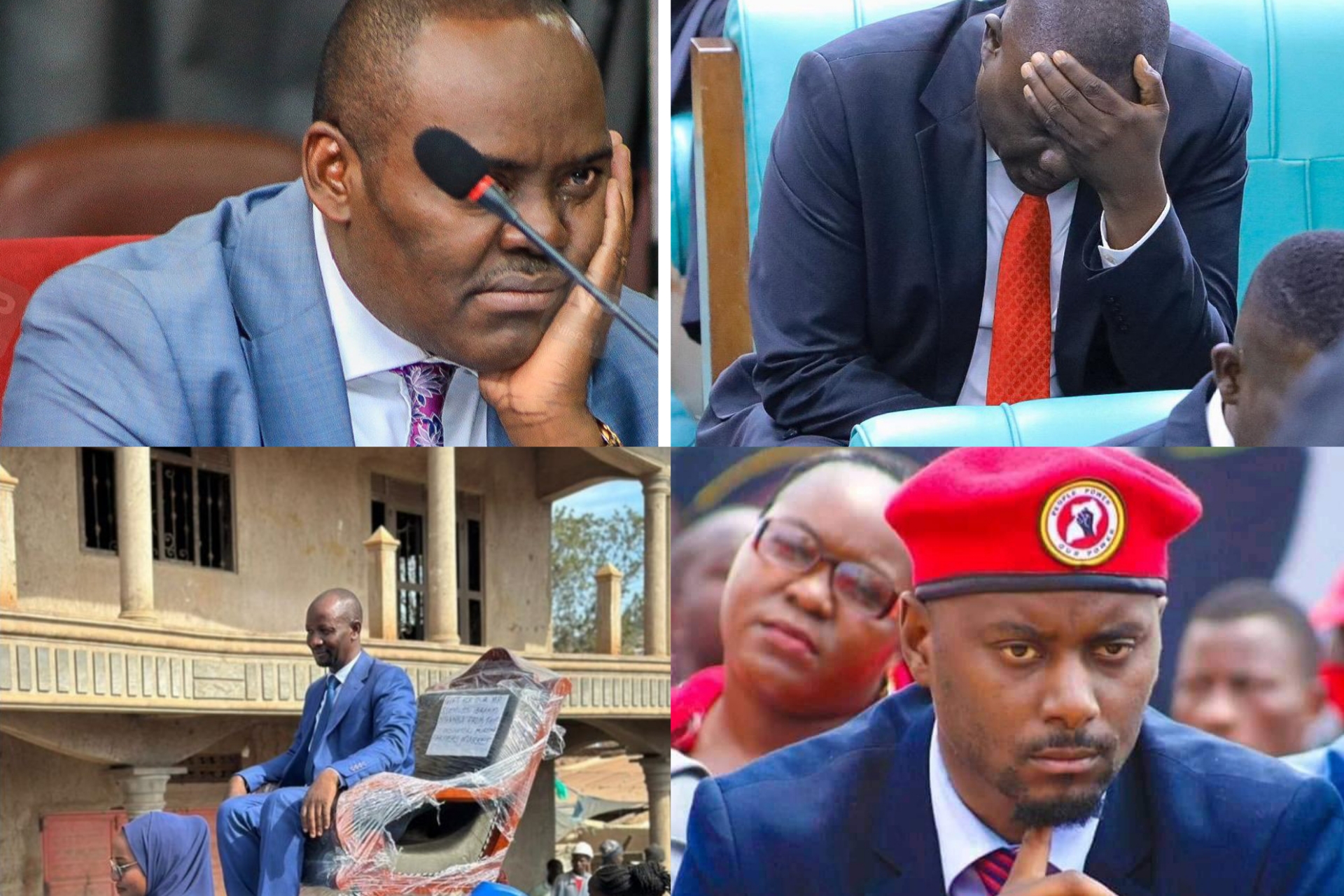
The loss of Mathias Mpuuga in Nyendo-Mukungwe and Ibrahim Ssemujju Nganda in Kira Municipality illustrates a deeper rejection of the old opposition establishment. These were experienced, articulate, and nationally visible leaders, yet voters chose new faces over familiar voices.
This pattern repeats itself across the country. Abdu Katuntu, Muwanga Kivumbi, Abed Bwanika, Theodore Ssekikubo, Medard Ssegona, and Asuman Basalirwa all fell, some to NRM candidates and others to NUP challengers. The message from voters is unmistakable. Ugandans have moved on from politics driven by excitement, protest theatrics, comedy, and endless confrontation. The electorate is demanding a Parliament that works, delivers services, and focuses on tangible outcomes rather than noise.
This election marks a clear maturity in voter behaviour. Unlike previous cycles where celebrity appeal, street popularity, or emotional protest votes shaped parliamentary outcomes, Ugandans now appear more concerned with competence, alignment, and the promise of effective representation. Parliament is no longer being treated as a stage for drama, but as a workplace where laws must be made, oversight exercised, and national priorities advanced.
For the opposition, this moment is both an opportunity and a warning. While NUP has succeeded in reshaping the opposition landscape and asserting dominance over its rivals, it has also inherited a heavy responsibility. The loss of experienced legislators means the new parliamentary cohort must quickly grow into the demands of legislative scrutiny, policy debate, and constituency service. Passion alone will not be enough.
Ultimately, this parliamentary reset reflects a deeper national mood. Ugandans are not rejecting opposition as an idea, but they are rejecting stagnation, infighting, and performative politics. The opposition must now rebuild around seriousness, policy depth, and service delivery, or risk further marginalisation.
The shake-up is complete. What follows will determine whether this new Parliament rises to meet the country’s expectations or confirms the dominance of the ruling party for years to come.