
For too long, Muslim women scholars have remained in the background highly educated, deeply knowledgeable, yet rarely given the opportunity to sit at the tables where key religious decisions are made.
This is not because they lack capability, but because systems and traditions have not fully opened space for them. Today, however, there are clear signs that this reality is beginning to change and it must continue.
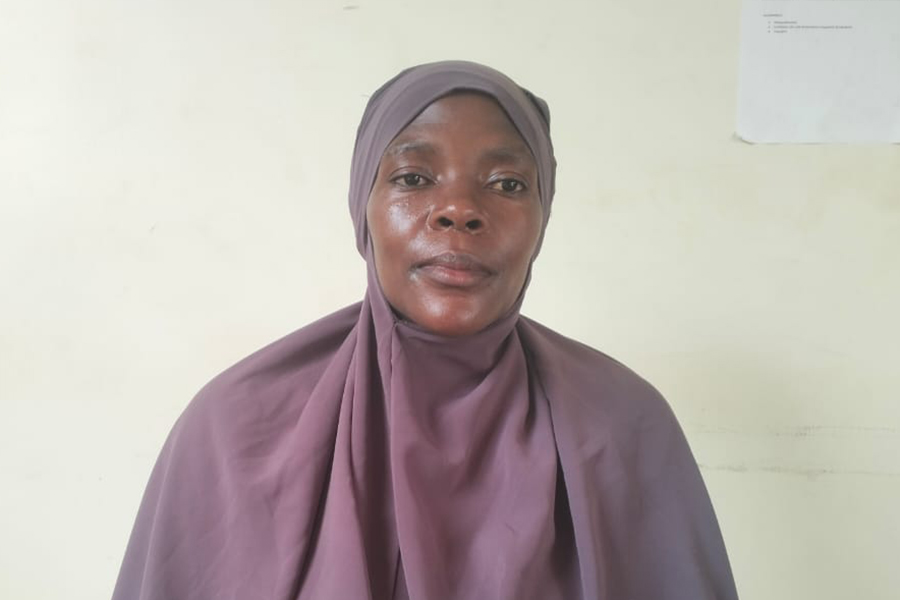
The recent nomination of Sheikhati Nakabugo Zainabu by the Uganda Muslim Supreme Council (UMSC) as the second Deputy Director of Sharia in charge of female affairs is a step in the right direction.
While the appointment is still pending formal approval, it sends a strong message that Muslim women are ready and deserving to take on top leadership roles within their religious institutions.
Chaired by the Mufti of Uganda, Sheikh Shaban Ramadhan Mubajje, the decision reflects a growing awareness that leadership should be based on knowledge, experience, and integrity not gender.
Surely, this moment should not be treated as an isolated case, but as part of a much bigger shift.
Across the Muslim world, and even within Uganda, there have always been many qualified women scholars.
They have studied Sharia, taught in institutions, and guided communities. Yet, despite their contributions, they have often been excluded from decision-making processes that shape the very faith they serve.
What has changed today is the power of digital transformation. Through online platforms, virtual classrooms, and global Islamic discussions, Muslim women are now more visible than ever before. They are teaching, debating, and sharing knowledge beyond borders. Their voices can no longer be ignored or confined to limited spaces.
Digital access has exposed a simple truth that competence is not defined by gender. As more people engage with knowledgeable women scholars online, confidence in their leadership continues to grow. Institutions are slowly being pushed to reflect this reality.
Sheikhati Nakabugo Zainabu’s qualifications speak for themselves. Having benefited from scholarship opportunities in Libya during the time of Muammar Gaddafi, she holds both Bachelor’s and Master’s degrees in Sharia from Islamic Call University College in Tripoli.
She also earned a Postgraduate Diploma in Education from Islamic University in Uganda and is currently pursuing a PhD in Sharia.
Her academic journey, combined with her leadership experience as a former head of the Islamic and Sharia Department at the Islamic Call University in Old Kampala, proves that Muslim women are not only ready but fully equipped to lead.
The time has come for Muslim institutions to move beyond symbolic appointments and embrace real inclusion.
Women should not only be present but should actively participate in shaping policies, interpreting religious matters, and guiding the community at the highest levels.
This is not about replacing men it is about complementing leadership with diverse perspectives that strengthen the community as a whole.
If the Muslim community is to grow, adapt, and remain relevant in a rapidly changing world, it must fully utilize all its human resources. That includes the many brilliant women scholars who have waited far too long for their moment.