

For decades, pancreatic cancer has remained one of the deadliest forms of cancer, with limited treatment options and low survival rates. However, new research presented at a major cancer conference in the United States suggests that a once-daily pill could help patients live substantially longer while experiencing fewer severe side effects.
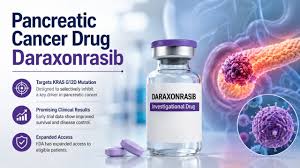
The experimental treatment, known as daraxonrasib, targets mutations in the KRAS gene, a genetic alteration found in the vast majority of pancreatic cancer cases. Scientists say the drug works by blocking signals that allow cancer cells to grow and spread throughout the body.
Results from a large international clinical trial involving approximately 500 patients showed that those who received the new treatment survived significantly longer than patients receiving standard chemotherapy.
Researchers reported that patients taking daraxonrasib achieved a median survival period of 13.2 months, compared to 6.6 months among those treated with chemotherapy alone.
The study involved participants from North America, Europe and Asia, making it one of the largest efforts to evaluate targeted therapies for advanced pancreatic cancer.
Medical experts attending the American Society of Clinical Oncology meeting in Chicago described the findings as an important milestone in the fight against a disease that is frequently diagnosed at an advanced stage and remains difficult to treat.
Beyond extending survival, the treatment also appeared to improve patients’ quality of life. Investigators found that serious side effects were less common among patients receiving the pill than among those undergoing chemotherapy.
Pancreatic cancer is known for producing few symptoms in its early stages, which often delays diagnosis until the disease has already spread. Common warning signs may include jaundice, unexplained weight loss, persistent fatigue, abdominal discomfort and changes in digestion.
Cancer specialists say the emergence of therapies that specifically target genetic mutations could mark a new chapter in pancreatic cancer treatment, offering patients more effective and potentially less toxic alternatives to conventional approaches.
While further regulatory review and additional studies are expected, researchers believe the latest findings provide renewed hope for thousands of patients diagnosed with advanced pancreatic cancer each year.