
The Uganda has discharged its last confirmed Ebola patient, marking a major milestone in the country’s response to the Bundibugyo Ebola Virus Disease (EVD) outbreak and leaving the country with no active confirmed cases.
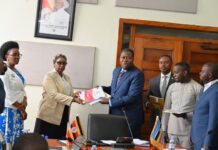
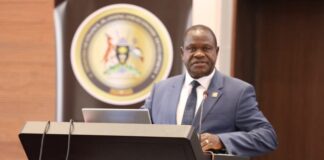
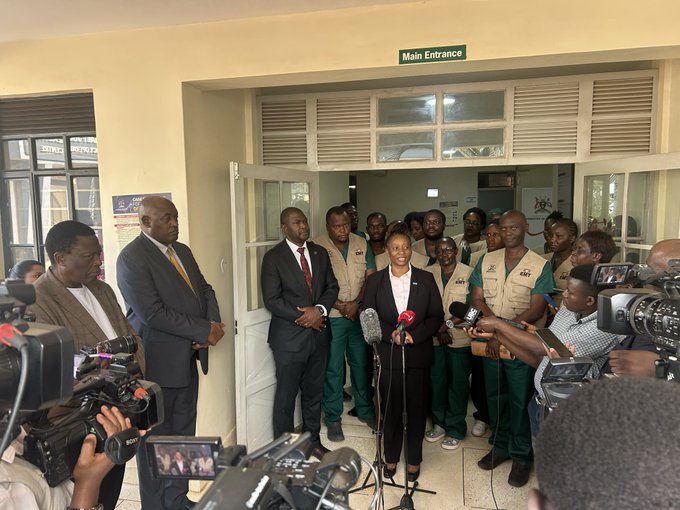
The final patient, who had been receiving treatment at the Isolation Centre at Mulago National Referral Hospital, was discharged on Thursday, July 16th, 2026, after making a full recovery. The discharge was officiated by the Minister of Health, Dr. Chris Baryomunsi, on behalf of the government.
“Supportive care and experimental medicine were key and the release of this last patient, marks the start of the World Health Organization’s mandatory 42-day countdown to declare the country virus-free,” Dr. Baryomunsi said.
According to the Ministry of Health, Uganda recorded a total of 20 confirmed cases during the outbreak, including 17 recoveries and two deaths, while one remaining patient has now been discharged after recovering. Five of the infections were locally transmitted, while 15 were imported from the neighboring Democratic Republic of Congo (DRC).
Under World Health Organization (WHO) guidelines, the discharge of the final patient begins a mandatory 42-day countdown before Uganda can officially be declared free of the Ebola outbreak, provided no new confirmed cases are detected during that period. The 42-day period represents twice the maximum incubation period of the Ebola virus and is the international standard for declaring the end of an outbreak.
The Bundibugyo strain of the Ebola virus, which caused the current outbreak, is a relatively rare species of the Ebola virus first identified in Uganda in 2007. The recent outbreak was linked to infections originating in the Democratic Republic of Congo, where health authorities continue to battle a larger epidemic.
Health officials have credited Uganda’s response to rapid case detection, isolation of infected patients, contact tracing, laboratory testing, and coordinated surveillance efforts at border points and within affected communities. These measures helped limit local transmission despite the country’s close proximity to the ongoing outbreak in eastern DRC.
Although the country currently has no active confirmed cases, the Ministry of Health has urged the public and health workers to remain vigilant, noting that surveillance, contact monitoring, and preparedness measures will continue throughout the 42-day observation period.
If no new cases emerge by the end of the monitoring period, Uganda will be officially declared Ebola-free by the World Health Organization.