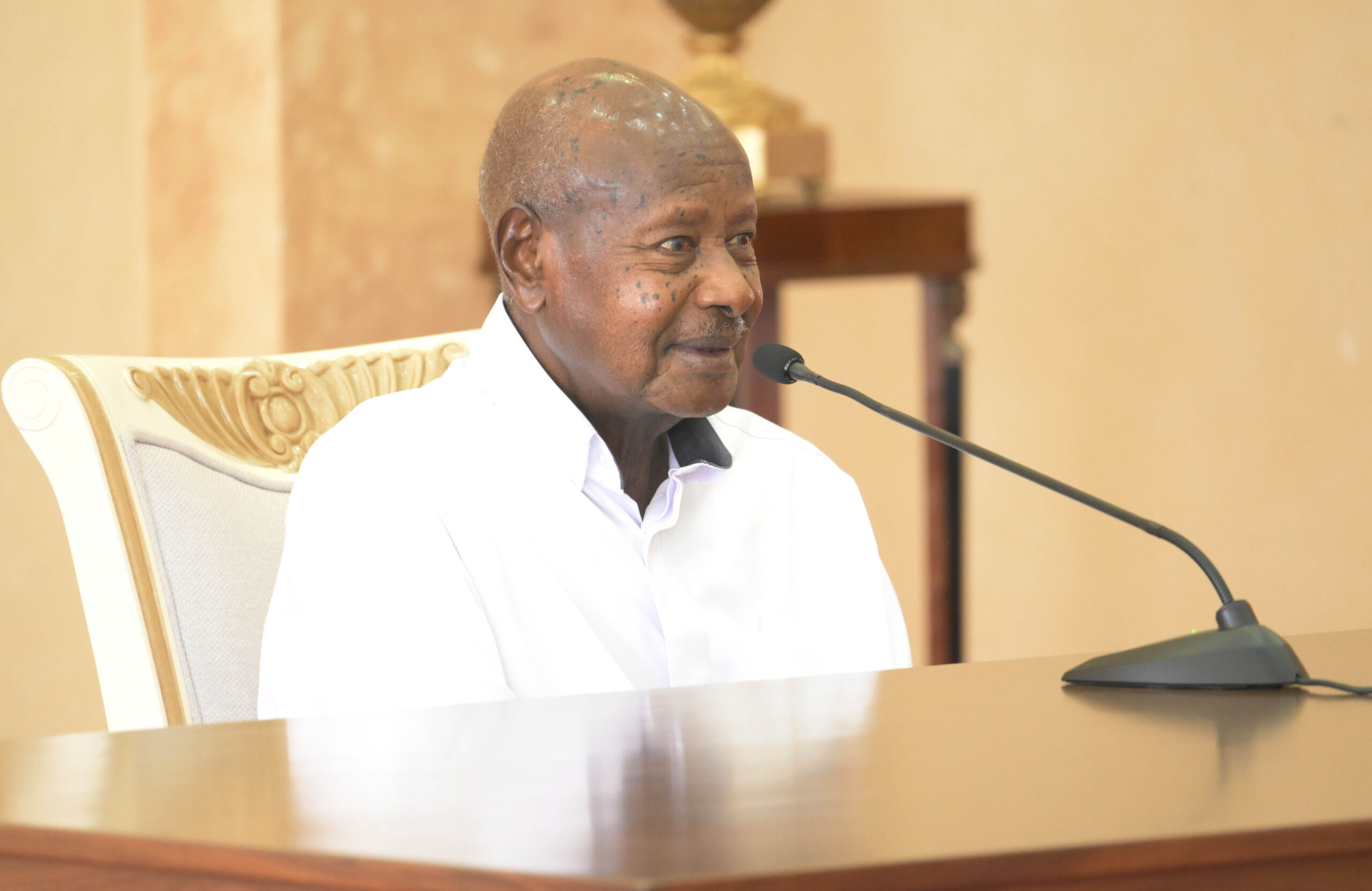



President Yoweri Museveni has announced plans to propose the removal of Pay As You Earn (PAYE) income tax for scientists, arguing that their innovations are vital to rapidly growing Uganda’s economy.
The president made the remarks on Thursday, April 30th, 2026, during the official launch of NAROVAC, the National Agricultural Research Organisation’s (NARO) homegrown anti-tick vaccine, at the National Livestock Resources Research Institute in Nakyesasa, Wakiso district. Museveni compared the proposed exemption to existing tax relief for police and army personnel, stressing that scientists deserve similar recognition for their role in national development.
“Scientists will help grow this economy fast,” President Museveni said, urging greater investment in research to drive productivity and self-reliance. The announcement comes as the government intensifies efforts to boost science, technology, and innovation (STI).
Through the Ministry of Science, Technology, and Innovation, Uganda has launched National Science Week 2026 and set an ambitious target to generate 20,000 innovations every five years. These initiatives aim to position STI at the heart of the country’s vision for a USD 500 billion economy. Earlier support includes the Presidential Support to Scientists Fund and salary enhancements for researchers, alongside warnings against taxing new ideas or research outputs.
The NAROVAC launch highlights these priorities in action. Developed over more than 13 years by Ugandan scientists at NARO’s laboratories, the vaccine targets tick-borne diseases that cost the livestock sector over USD 1 billion annually in losses. It is expected to slash farmers’ costs dramatically—from Shs60,000 per cow per year on acaricides to about Shs20,000 for vaccination—boosting dairy and meat production, Uganda’s second-largest foreign exchange earner after coffee.
NARO Director General Dr. Ambrose Agona and Agriculture Minister Frank Tumwebaze praised the vaccine as a milestone in transforming agriculture through local innovation. The event drew senior officials, researchers, and farmers, signifying growing collaboration between government and science institutions.
Museveni’s proposal, if adopted, could further incentivize talent retention and innovation, building on recent partnerships like the Science, Technology, and Innovation Secretariat’s work with NARO to scale technologies for farmers.