

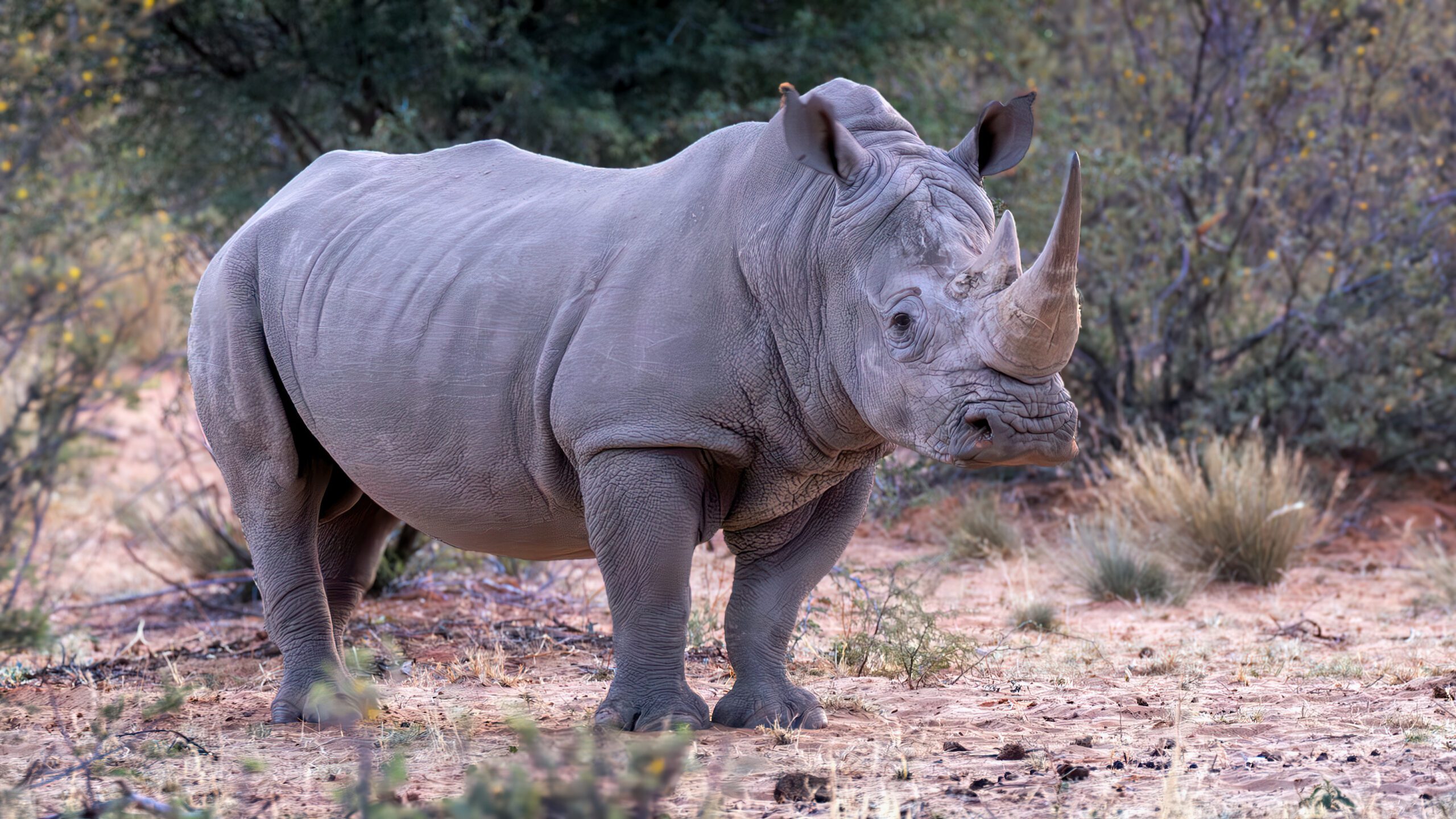
Uganda’s wildlife conservation journey has taken an amazing turn. In the 1980s, there were no rhinos left in Uganda. This was mostly because of heavy poaching and civil unrest, which damaged the country’s national parks.
Today, Uganda is home to over 48 white rhinos, thanks to years of strong conservation efforts. This is a big win for wildlife protection in the country.
The return of white rhinos began in 2005, when Uganda brought rhinos from South Africa. They were placed at Ziwa Rhino Sanctuary, located in Nakasongola District. This is the only rhino sanctuary in Uganda. It covers more than 70 square kilometres and offers a safe place for rhinos, with 24-hour anti-poaching patrols, medical care, and regular monitoring of the environment.
Dr. Ben Musasizi, Executive Director of the Uganda Wildlife Authority (UWA), said “The growth of Uganda’s rhino population shows what consistent protection, local community support, and good habitat care can achieve.”
“These rhinos are a clear sign of Uganda’s promise to protect endangered animals.” he added.
UWA leaders say the rhino comeback is not just about growing the numbers, it’s also about restoring Uganda’s rich wildlife.
Grace Nabukenya, a UWA wildlife ecologist, explained “Rhinos play a key role in nature. They help shape plant life and create homes for other animals.”
“Their return also helps Uganda’s natural beauty and boosts tourism.” she added.
To keep rhinos safe in the future, Uganda is looking to expand the rhino population into other protected areas, such as Murchison Falls National Park. There are also plans for eco-tourism projects, which will bring in money for conservation and include local communities in protecting wildlife.
Dr. Musasizi said “Going from zero to 48 rhinos shows that even animals close to extinction can recover, with the right care and hard work.”
Uganda’s rhino success is now seen as a model for conservation across Africa. It shows how protecting endangered species can also support tourism and improve local people’s lives.