

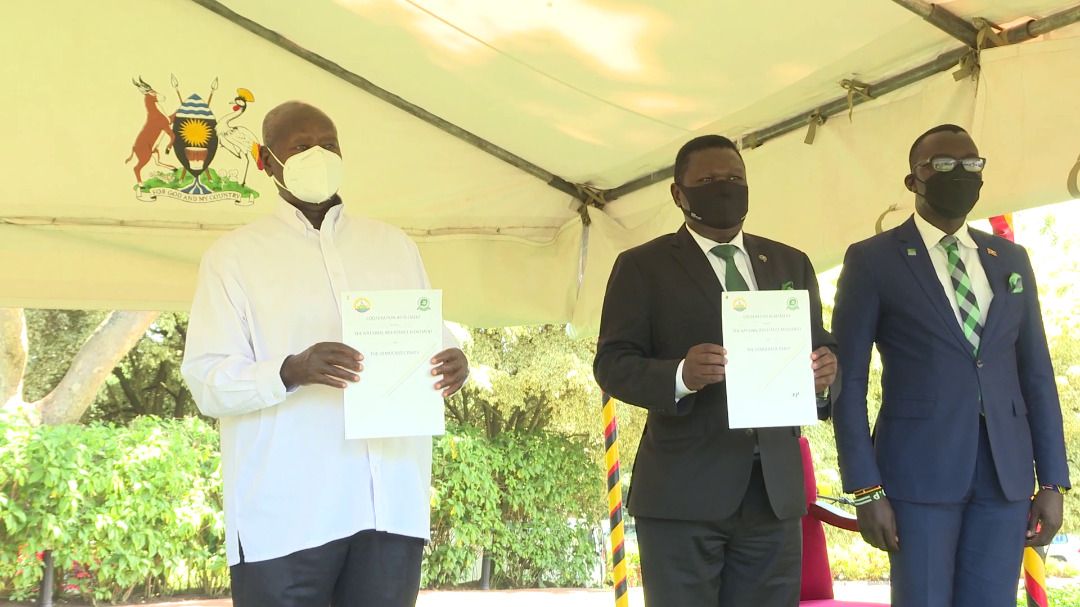
Fresh divisions have emerged within the Democratic Party after a faction of party members declared the cooperation agreement between party president Norbert Mao and President Yoweri Kaguta Museveni officially expired.
The declaration, issued Tuesday under the “DP at Heart” pressure group, argues that the controversial agreement signed in July 2022 can no longer be used to justify collaboration with the ruling National Resistance Movement government.
“Today marks the end of that arrangement and it should no longer be cited as a basis for participation in government activities or political cooperation on behalf of the Democratic Party,” the statement noted.
The cooperation pact, signed at State House Entebbe nearly four years ago, paved the way for Mao’s appointment as Minister for Justice and Constitutional Affairs, a move that sparked internal disagreements and accusations that the party had abandoned its opposition identity.
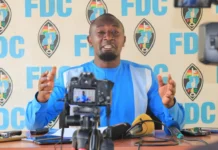
Speaking on behalf of the faction, Julius Dumba, the Publicity Secretary for DP Lubaga Division, argued that the agreement lacked formal endorsement from key party organs, including the National Executive Committee and the National Council.
According to the group, the arrangement represented a personal political understanding rather than an official position adopted by the party.
The faction further accused Mao of distancing himself from the party’s traditional opposition stance while failing to secure the broader political reforms and opportunities many members had expected from the cooperation deal.
In a strongly worded message, the group challenged Mao to formally leave the party if his political alignment now rests with the NRM government.
The development signals growing internal pressure within Uganda’s oldest political party as divisions over Mao’s cooperation with President Museveni continue to deepen ahead of future party restructuring and political mobilization.
Political observers say the expiry of the agreement could reopen debates about the ideological direction and leadership future of the Democratic Party at a time when opposition parties are repositioning ahead of the next political cycle.