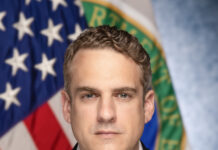

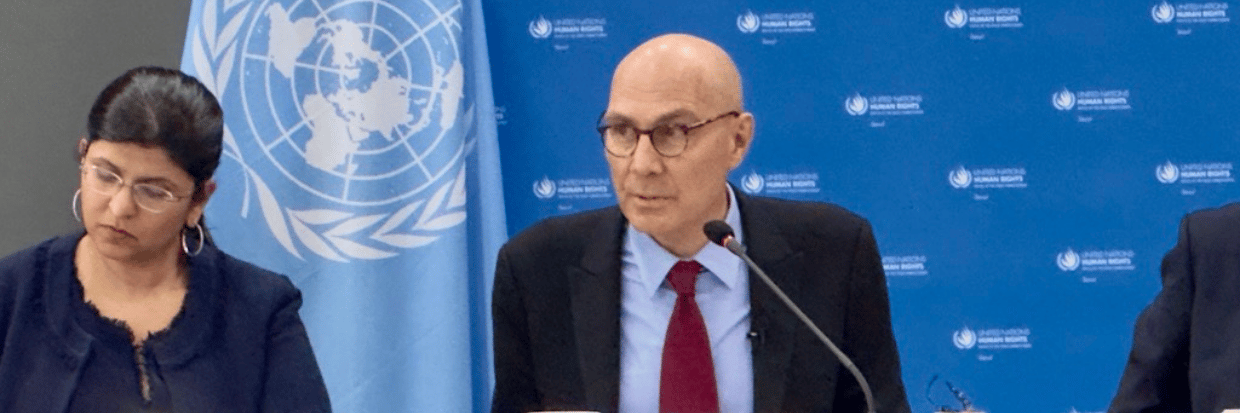
Volker Türk, the UN High Commissioner for Human Rights, has called for increased international pressure on North Korea and called on South Korea to finally push domestic reforms that would protect the rights of disadvantaged groups.
Türk’s call comes following his May 13th, 2026, trip to Seoul, which are to last several days.
He complimented South Korea on the strong democratic institutions and peaceful protest during the political crisis of December 2024, seeing it as an excellent test of the country’s respect for human rights.
However, Türk also listed some ongoing problems in the country that need to be addressed, urging the speedy passage of legislation protecting everyone from discrimination, including women, minorities, refugees, migrants, persons with disabilities, and LGBTIQ+.
He noted his worry about the continued existence of a gender pay gap, and the alarming increase of violence against women and femicide, and the lack of sufficient protections for migrant workers, who remain particularly vulnerable to abuses.
In the wider region, Türk painted a grim picture of human rights in the Democratic People’s Republic of Korea (DPRK).
“The DPRK is counting on the world’s attention having moved on and on the silence becoming permanent,” he said.
Mothers and children have been separated for over a decade, while escapees live in constant fear of their families being harmed back home.
Türk emphasized the fact that gross human rights violations are still taking place in the country and may even be crimes against humanity that demand accountability through the International Criminal Court and universal jurisdiction.
“Human rights are not an ideology. Human rights are not an issue for one political party or another. Human rights are first and foremost about people themselves,” Türk noted.
He argued that what is required now is new approaches based on human rights, such as family reunions, truth-telling, and commemoration of the victims.
“I leave encouraged by the South Korean civic movement and its growing global leadership on issues related to digital rights and artificial intelligence,” he added.
Türk plans to visit the May 18th National Cemetery in Gwangju, South Korea tomorrow to commemorate those who died for the sake of democracy.
The UN Human Rights Office is always willing to assist in pursuing accountability and upholding human dignity everywhere.